



Monsoon Havoc in Popular Hill Stations
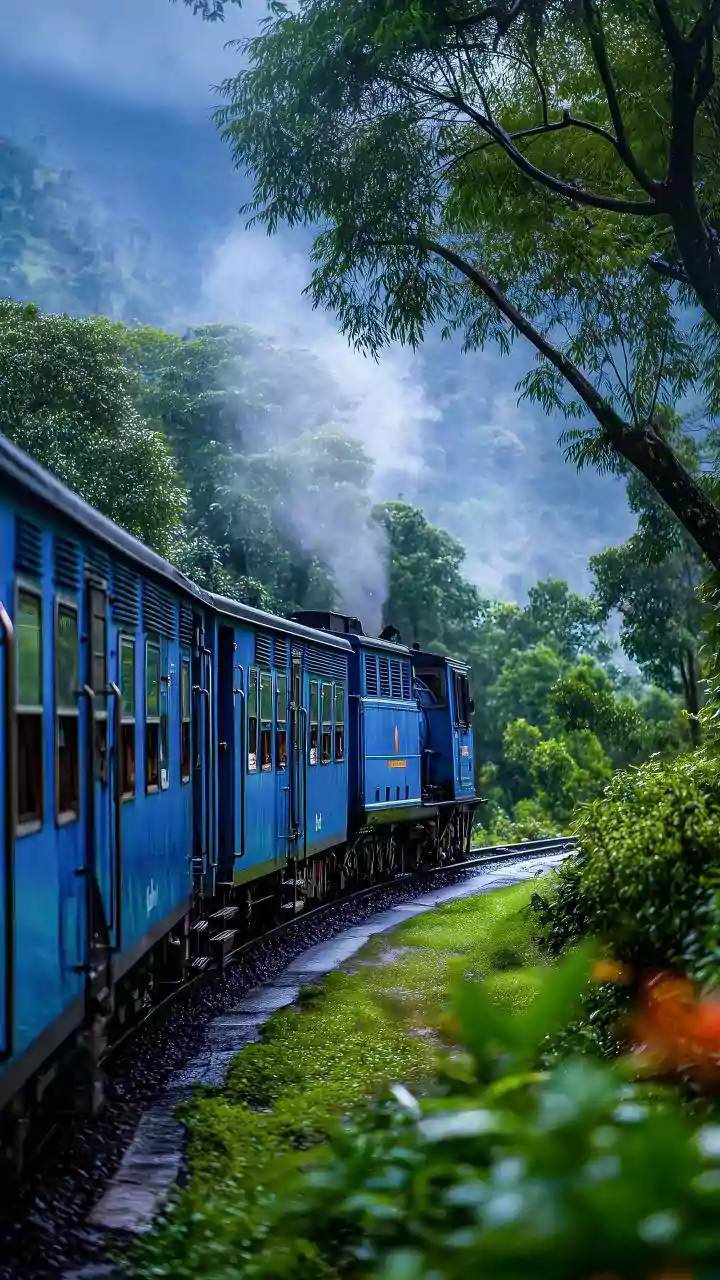
For decades, July and August meant misty mountains and rain-soaked holidays in places like Shimla, Manali, Nainital, and along the Char Dham Yatra routes. However, recent years have seen this romanticised image shattered by recurring natural disasters.
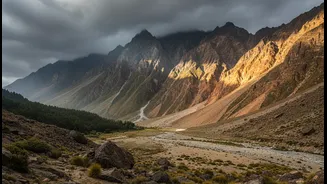
This year is no different. The India Meteorological Department (IMD) issued a red alert for Himachal Pradesh and Uttarakhand on July 20, warning of extremely heavy rainfall that significantly increases the risk of flash floods and landslides. Authorities have been forced to repeatedly suspend pilgrimages and restrict tourist movement, particularly during night hours, due to blocked highways and treacherous conditions. The main arteries into these regions, such as National Highway 3 near the Beas River and the routes to Kedarnath and Badrinath, are frequently obstructed by falling debris, leaving travellers stranded and disrupting local life.
The Search for a Safer Alternative
Faced with this uncertainty, a growing number of tourists are rerouting their plans. The primary concern is no longer just about breathtaking views but about finding routes that are stable and reliable. This safety-conscious shift has spotlighted two high-altitude cold deserts: Spiti Valley in Himachal Pradesh and Ladakh. Tour operators have noted a significant uptick in enquiries and bookings for these destinations, driven by travellers explicitly asking for “landslide-free” options. Reports indicate a massive tourism boom in Ladakh, with a 44% increase in visitor arrivals in June 2026 compared to the previous year. This surge, which includes a near 100% jump in international tourists, points to a clear trend: travellers are actively choosing destinations perceived as less vulnerable to monsoon-related disruptions.
The Rain Shadow Advantage
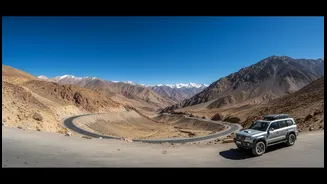
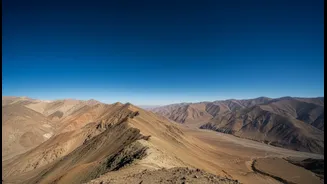
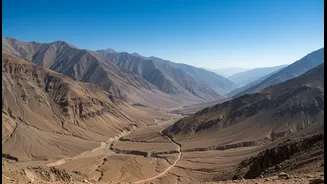
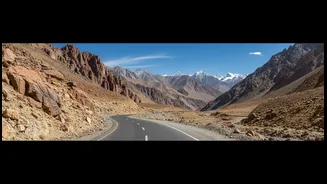
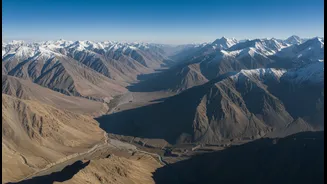
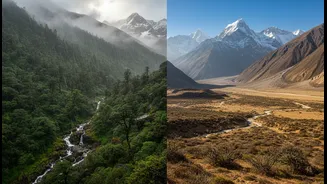
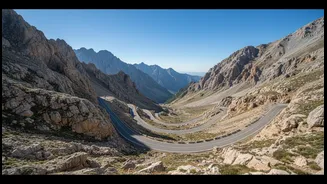
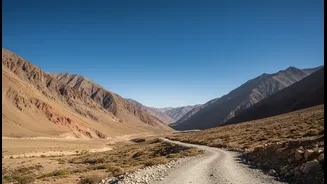
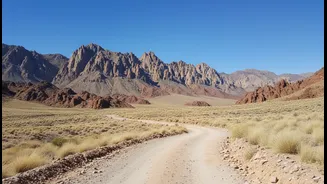
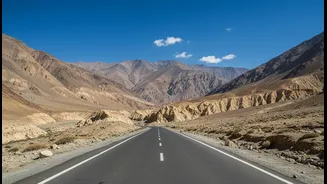
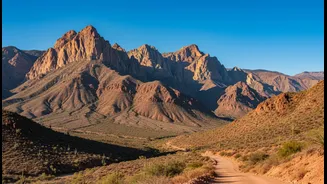
So, what makes Spiti and Ladakh different? The answer lies in geography. Both regions are located in a rain shadow zone, sheltered by the immense Great Himalayan ranges. These towering mountains block the moisture-laden monsoon clouds that drench most of North India. As a result, while lower Himachal and Uttarakhand grapple with relentless downpours, Spiti and Ladakh remain largely dry and sunny. Spiti, for instance, receives very little rainfall during the monsoon season, making its lunar-like landscapes accessible when other areas are impassable. This unique climatic condition means clearer skies, more stable roads within the valleys, and a much lower risk of the landslides that plague other Himalayan states, making them an ideal monsoon escape.
Navigating the Journey
While the destinations themselves are safer, the journey to reach them still requires caution. The approach roads, particularly the Manali-Leh and Manali-Kaza highways, pass through areas that are affected by the monsoon. Travellers might still encounter rain, slush, and potential roadblocks in the lower hills before entering the rain shadow zone. For this reason, many experienced travellers and locals recommend the Shimla-Kaza route to enter Spiti, as it is generally considered more reliable year-round, with a gentler acclimatisation curve. Despite the on-ground challenges of reaching them, the allure of a dry, sunny holiday in the midst of the monsoon season is proving to be a powerful draw, fundamentally altering India's tourism map.
The Impact of the Surge
This sudden popularity is a double-edged sword. While it brings economic benefits to the remote regions of Spiti and Ladakh, it also puts immense pressure on their fragile ecosystems and limited infrastructure. Popular spots are becoming overcrowded, and the quiet mountain culture is being tested by the influx of visitors. Increased traffic on narrow roads and a higher demand for accommodation and resources are challenges that local administrations and communities are now facing. The very peace and remoteness that make these places attractive are at risk. As more people flock to these safer havens, the need for sustainable and responsible tourism practices becomes more critical than ever to preserve their unique character.