



Understand the Cooling Science
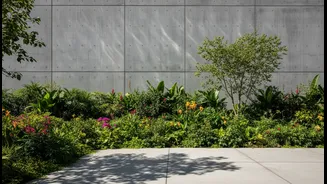
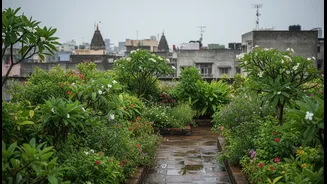
Before you plant a single seed, it helps to know why a terrace garden works. The cooling magic comes from two main processes. First is shading. A layer of soil and plants acts as a natural insulator, preventing the sun's rays from directly hitting and heating
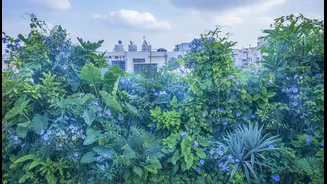
the concrete roof of your building. This significantly reduces the amount of heat transferred into the rooms below. The second, more active process is called evapotranspiration. Plants absorb water through their roots and release it as cool water vapour from their leaves. This natural misting effect actively cools the surrounding air, much like a biological air cooler, and can lower ambient temperatures noticeably.
Choose Your Green Allies Wisely
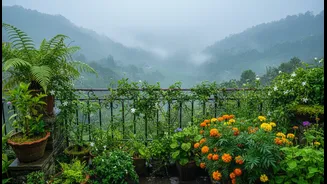
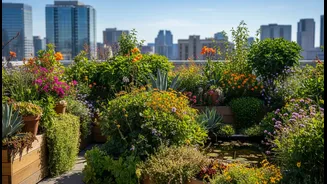
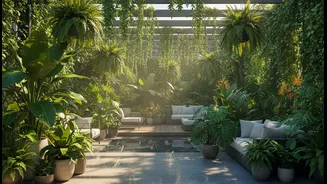
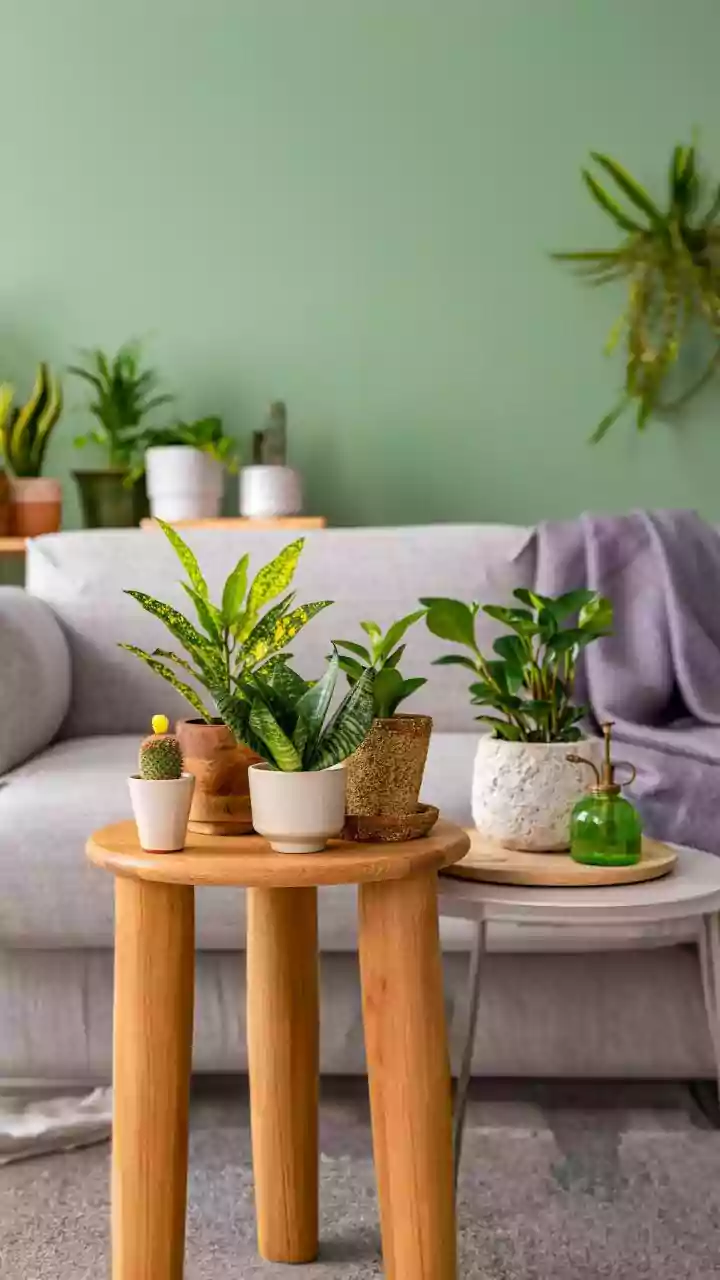
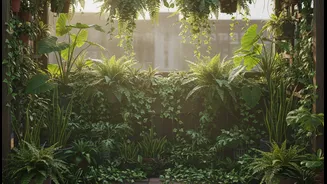
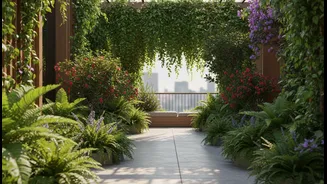
Not all plants are created equal when it comes to battling the heat. For an Indian terrace, you need hardy, heat-tolerant species. Large-leafed plants provide more shade and have a higher rate of transpiration, making them excellent choices. Good options include ornamental plants like Areca Palm and Snake Plant, or flowering varieties such as Hibiscus and Bougainvillea, which thrive in full sun. If you want an edible garden, consider lemongrass, which is both hardy and repels pests, alongside vegetables like tomatoes and chillies. Climbing plants and vines like passion vine or morning glory are superstars; trained on a simple trellis, they can create a living green wall or canopy that provides dense shade and powerful evaporative cooling.
The Right Pot for the Job
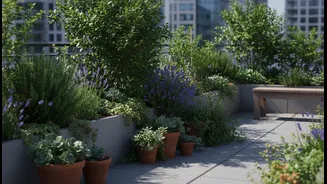
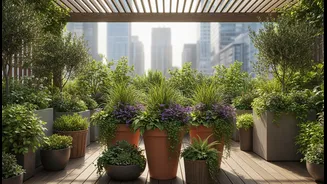
The containers you choose play a vital role. While convenient, dark-coloured plastic pots absorb a lot of heat, which can cook the plant's roots. A better choice for hot climates are traditional terracotta or clay pots, which are porous and allow for evaporative cooling on their surface, helping to keep the soil inside cooler. Light-coloured pots, regardless of material, are also preferable as they reflect sunlight rather than absorbing it. Ensure every container has adequate drainage holes to prevent waterlogging, a common cause of root rot. For beginners, fabric grow bags are an excellent lightweight and breathable option that prevents roots from circling and promotes healthier growth.
Master the Art of Watering
Watering is critical, especially since containers on a hot terrace dry out much faster than ground soil. The golden rule is to water early in the morning, before the sun gets strong. This allows the plants to absorb the moisture before it evaporates and prepares them for the heat of the day. Evening watering is a second-best option but can sometimes promote fungal growth in humid conditions. Always check the soil before watering; stick your finger about two inches deep, and if it feels dry, it's time to water. A deep soaking that allows water to run out of the drainage holes is more effective than frequent light sprinklings, as it encourages roots to grow deeper where the soil stays cooler.
Arrange for Maximum Cooling
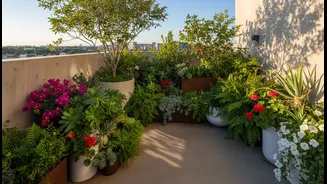
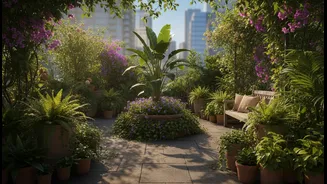
Strategic placement can amplify the cooling effect. Grouping several pots together creates a mini microclimate. The plants shade each other's containers, and the combined transpiration from the group creates a more significant pocket of cool, humid air. Place taller plants or those on stands to the west to block the harsh afternoon sun from hitting your walls or windows directly. If you have sitting areas on your terrace, surrounding them with a perimeter of plants makes the space feel instantly cooler and more pleasant. Also, consider airflow. Don't arrange your pots in a way that blocks the natural breeze; instead, use them to channel it through your space.
Use a Protective Soil Cover
Leaving the topsoil in your pots exposed to the sun is a recipe for rapid water loss and overheated roots. A simple hack to prevent this is mulching. Applying a layer of organic mulch, such as wood chips, dried leaves, or even cocopeat, on top of the soil in each pot works wonders. This layer acts as a protective barrier, insulating the soil from direct sunlight, reducing evaporation, and helping it retain moisture for much longer. This not only keeps the plant roots cooler but also means you'll have to water less frequently, saving both water and effort. It's a simple step that significantly improves the health and resilience of your container plants during peak summer.