




The Science of a Complete Protein
To understand why this pairing is so powerful, we first need to talk about amino acids. Think of protein as a chain, and amino acids as the links. Our bodies need 20 different amino acids to build muscle, repair tissue, and function correctly. While our
bodies can produce 11 of these, nine are called 'essential amino acids' because we must get them from food. Animal products like meat and eggs typically contain all nine, earning them the label 'complete proteins'. Most plant-based foods, however, are 'incomplete', meaning they are low in one or more of these essential amino acids. This is where the strategy of protein complementation comes in.
A Perfect Nutritional Partnership
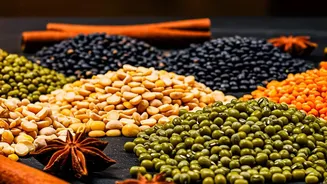
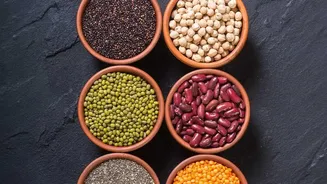
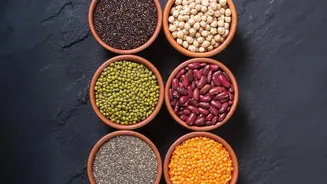
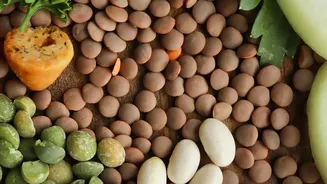
Lentils and rice are the perfect nutritional partners because they compensate for each other's weaknesses. Lentils are packed with protein but are generally low in two essential amino acids, methionine and cysteine. Grains like rice, on the other hand, have plenty of methionine but are lacking in another essential amino acid, lysine. Lentils happen to be rich in lysine. When you eat them together, their amino acid profiles join forces. The lysine from the lentils fills the gap in the rice, and the methionine from the rice completes the profile of the lentils. The result is a meal that delivers all nine essential amino acids, forming a high-quality complete protein.
Ancient Wisdom Meets Modern Fitness
This concept is not a new discovery; it's ancient wisdom embedded in culinary traditions across India and the world. The classic Indian meal of dal (lentils) and chawal (rice) is a perfect example of this nutritional synergy in practice. For generations, this combination has served as a primary source of sustenance and strength. This pairing, along with others like rajma-roti (kidney beans and wheat) or chana-chawal (chickpeas and rice), forms the backbone of a traditional vegetarian diet that has nourished millions. For the modern fitness enthusiast, it proves that you don't need expensive supplements to build a strong foundation; sometimes the most effective solutions are the ones that have been on our plates all along.
Putting It Into Practice
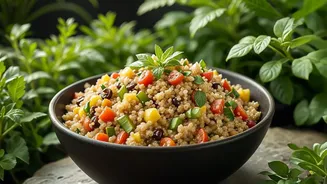
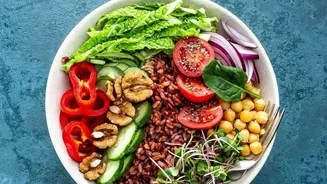
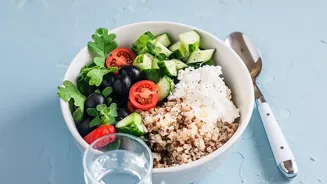
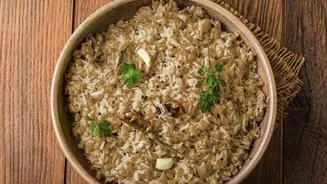
One common myth was that you needed to eat complementary proteins in the exact same meal for your body to use them effectively. However, nutrition science has shown this to be less rigid than once believed. Your body maintains a pool of amino acids, so as long as you consume a variety of protein sources throughout the day, you should get everything you need. That said, combining them in a meal is a simple and guaranteed way to ensure you are getting a complete protein hit, which is particularly useful post-workout. You can enjoy a classic dal with brown rice, make a mujadara (a Middle Eastern dish of lentils, rice, and onions), or even prepare rice and lentil bowls with added spinach and spices for an extra nutritional punch.
Is It Enough for Your Fitness Goals?
While the quality of protein from a rice-and-lentil pairing is excellent, quantity and timing also matter for fitness. Building and repairing muscle requires a sufficient total daily protein intake. A cup of cooked lentils provides around 18 grams of protein, while a cup of cooked brown rice adds another 5-6 grams. This combination provides a fantastic base, but those with serious muscle-building goals should incorporate other high-protein vegetarian sources into their diet. Foods like paneer, Greek yogurt, tofu, seeds, and nuts can help you meet your daily protein targets. For many active individuals, a well-planned vegetarian diet that frequently features complementary proteins like lentils and rice is more than capable of supporting athletic performance and muscle growth.