





In an age of one-click checkouts and sprawling malls, a different kind of shopping experience is making a comeback. Metro consumers are increasingly swapping sterile aisles for the vibrant chaos of local markets. What's driving this shift?
The Search for a Story
More than ever,
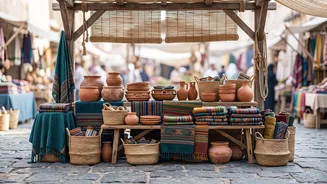
shoppers are looking for products with a narrative. A recent study found that over half of Indian consumers prefer to buy from small, homegrown businesses, citing authenticity and relatable stories as key reasons. Unlike mass-produced items, goods at a local market—be it hand-thrown pottery, a block-printed textile, or a jar of homemade pickle—come with a visible origin. Consumers can often meet the maker, learn about the process, and understand the provenance of their purchase. This direct connection transforms a simple transaction into a meaningful exchange, embedding the product with a story that a barcode could never tell. This desire for 'authentic communication' is a powerful driver, making local markets a hub for items that feel personal and unique.
An Antidote to Digital Fatigue
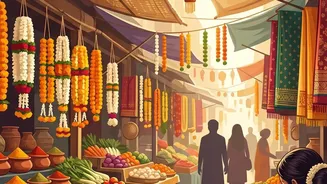
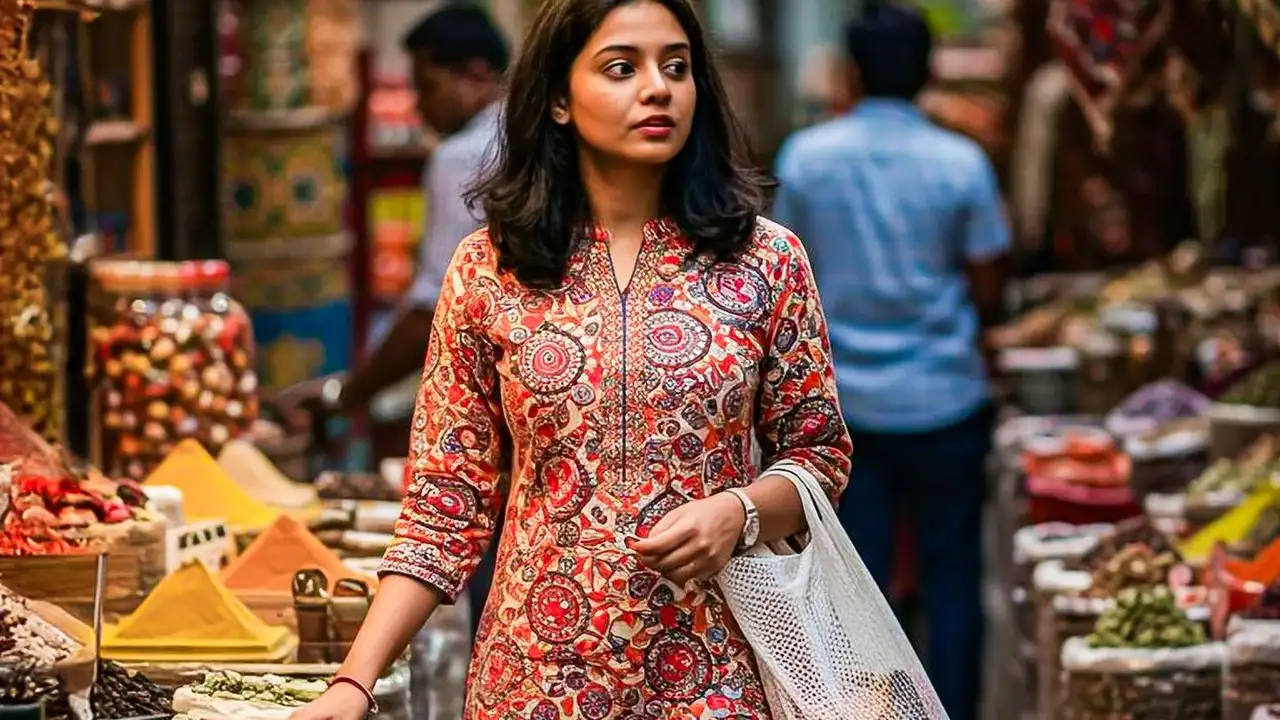
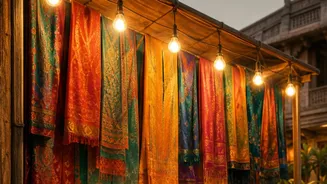
After endless hours spent staring at screens for work and entertainment, the last thing some people want is another digital shopping cart. Local markets offer a tangible, sensory-rich escape. The experience is immersive: the chatter of vendors and fellow shoppers, the aroma of fresh produce or street food, the vibrant colours of handcrafted goods, and the ability to physically touch and examine an item before buying. This multi-sensory engagement provides a welcome contrast to the flat, two-dimensional world of e-commerce. It makes shopping an enjoyable outing rather than just a task to be completed, offering a sense of discovery and immediate gratification that online browsing cannot replicate.
Building Community in the Concrete Jungle
Big cities can often feel anonymous, but local markets act as powerful community-building spaces. They are places where neighbours cross paths, families spend a leisurely weekend morning, and shoppers build relationships with vendors they see week after week. This fosters a sense of belonging and social connection that is often absent in the transactional environment of a large retail chain or the isolation of online shopping. Knowing the farmer who grew your vegetables or the artisan who wove your scarf creates a bond built on trust and mutual support. These markets become more than just points of commerce; they are vibrant social hubs that strengthen the fabric of a neighbourhood.
The Rise of Conscious Consumerism
A growing awareness around health, wellness, and sustainability is also steering consumers toward local markets. These venues are often the best source for fresh, seasonal, and organic produce, directly from the farm. This aligns with a broader trend of health-conscious choices, with consumers wanting to know exactly where their food comes from. Furthermore, shopping local is seen as an ethical and sustainable choice. It reduces the carbon footprint associated with longhaul logistics, minimises packaging waste, and directly supports the local economy, including small farmers and artisans. Studies show a significant number of Indian consumers are willing to prioritise ecofriendly and causedriven brands, viewing their spending as a vote for a better, more sustainable future.
The InstagramWorthy Experience
In the visual economy of social media, local markets are inherently photogenic. The rustic charm, colourful displays, and candid moments provide a wealth of 'Instagrammable' content. From a perfectly arranged flatlay of artisanal cheeses to a colourful shot of fresh flowers, these markets offer an aesthetic that resonates with a digitally savvy generation. Influencers and everyday users alike share their market hauls and experiences, romanticising the outing and inspiring their followers to visit. This digital wordofmouth creates a powerful feedback loop, where the authentic, offline experience is amplified online, drawing new crowds and reinforcing the market's status as a desirable destination.