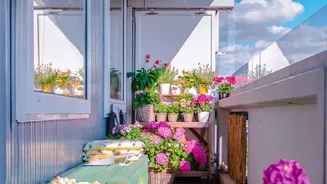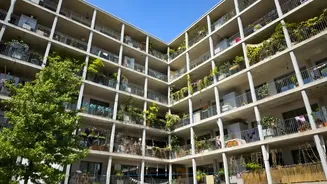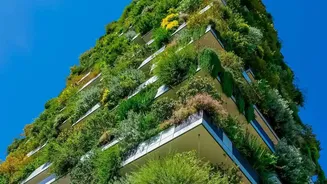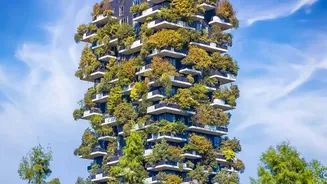





Living in a compact city apartment often means sacrificing the dream of a sprawling garden. Yet, a green revolution is taking place on urban balconies, all thanks to a clever innovation: the vertical plant tower. Here is why they are catching on.
Thinking Up, Not Out
The most
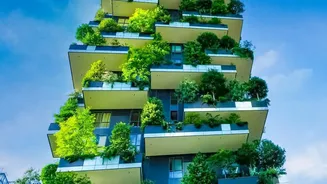
significant challenge for any apartment gardener is the lack of floor space. A typical balcony has limited square footage, making it difficult to accommodate more than a few traditional pots. Vertical plant towers solve this problem by design. Instead of spreading outwards, they grow upwards, transforming a single square foot of floor space into a multi-layered garden capable of hosting dozens of plants. This shift from horizontal to vertical thinking allows residents to maximise their growing area, turning bare walls and unused corners into productive and lush green spaces. It’s a simple but revolutionary concept that unlocks a balcony’s full gardening potential.
An Oasis of Greenery and Wellness
Beyond pure practicality, vertical gardens have a profound aesthetic and psychological impact. A tower brimming with herbs, flowers, and leafy greens can transform a sterile balcony into a vibrant, living oasis. This splash of nature offers a visual escape from the concrete jungle and has proven wellness benefits. Exposure to greenery is known to reduce stress and improve mood. Furthermore, a dense arrangement of plants acts as a natural air purifier, filtering pollutants and releasing oxygen to create a fresher, healthier micro-environment right outside your window. For many, this living wall becomes a dynamic piece of home decor that is both beautiful and life-affirming.
The Sustainable Choice for City Living
The term 'eco-friendly' isn't just a buzzword when it comes to vertical towers. Many modern systems, particularly hydroponic models, are incredibly water-efficient. By using closed-loop, recirculating systems, they can consume up to 90-95% less water than traditional soil gardening, as water isn't lost to runoff or evaporation. Growing your own produce, even on a small scale, also reduces 'food miles' and the carbon footprint associated with transporting food. Furthermore, these compact gardens can support urban biodiversity by providing a habitat for essential pollinators like bees and birds, which often struggle to find sustenance in densely populated areas.
Gardening Made Simple and Accessible
The thought of maintaining a garden can be intimidating for beginners, but many vertical towers are designed with ease_of_use in mind. Plants are positioned at a comfortable height, which simplifies watering, pruning, and harvesting without the need for bending or kneeling. This makes gardening more accessible for everyone, including the elderly or those with mobility issues. Soil_free hydroponic towers take convenience a step further by eliminating the need for weeding and reducing the risk of soil_borne pests. Many systems come as all_in_one kits, providing everything needed to start, which lowers the barrier to entry for aspiring urban gardeners.
A Fresh Harvest at Your Fingertips
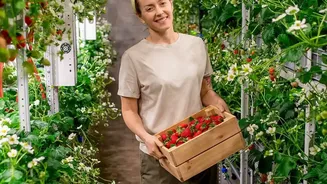
One of the most rewarding aspects of a vertical garden is the ability to grow your own food. A tower can easily support a variety of herbs, leafy greens, strawberries, and even compact vegetables like cherry tomatoes and peppers. For Indian homes, this means having fresh mint, coriander, tulsi, and chillies readily available for daily cooking. The convenience of stepping out onto the balcony to snip fresh ingredients adds an unparalleled level of flavour and nutrition to meals. It fosters a deeper connection to food and provides the satisfaction of knowing exactly where it came from—your own vibrant, vertical farm.