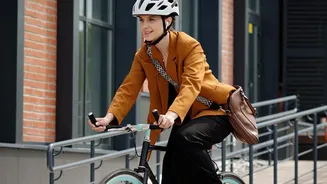







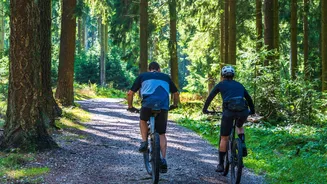
Finding time for errands and exercise can feel like a daily tug-of-war. But what if you could tick both boxes at once? Integrating cycling into your local shopping runs offers a brilliant solution to a packed schedule and a sedentary lifestyle.
The Two-for-One Time Saver
The most
compelling reason to start cycling for your errands is efficiency. Instead of dedicating one block of time to a gym session and another to a grocery run, you merge them into a single, productive activity. This approach, often called 'active transport', reframes exercise not as a separate chore, but as a built-in part of your day. A quick trip to the local market or chemist becomes an opportunity for a low-impact cardiovascular workout. You save on fuel, avoid the hunt for a parking spot, and get your heart rate up all in one go. For many, this simple shift is the key to finally achieving consistency in their fitness goals.
A Full-Body Health Boost
The physical benefits of regular cycling are immense and go far beyond simple cardio. It's a low-impact exercise, meaning it's easier on your joints than running. Cycling helps increase cardiovascular fitness, strengthen muscles, improve flexibility, and enhance posture and coordination. Regular rides strengthen your heart, lower your resting pulse, and can help manage everything from high blood pressure to arthritis. Mentally, the benefits are just as significant. Cycling is known to reduce stress and anxiety, with studies showing it can lower levels of the stress hormone cortisol. The release of endorphins and serotonin during a ride can elevate your mood, increase energy levels, and improve the quality of your sleep.
Gearing Up for Groceries
Making your bike a shopping vehicle is easier than you think. You don't necessarily need a specialised cargo bike, although they are great for heavy loads. The key is equipping what you have. Panniers, or saddlebags that attach to a rear rack, are a popular choice as they offer significant space and keep the weight low and balanced. A sturdy front or rear basket is perfect for lighter items you need to access easily. Even a comfortable, high-quality backpack can be enough for smaller shopping trips. For larger hauls, consider a trailer that attaches to the back of your bike. When packing, always place heavier items like cans and jars at the bottom and more delicate goods like bread and eggs on top to prevent squashing.
Plan Your Route, Master the Trip
A little planning makes for a smoother journey. Before you head out, map a route that prioritises bike-friendly paths and quieter streets, especially if you're new to urban cycling. Think about the order of your stops to create the most efficient loop. It's also wise to check your bike's condition before leaving home — ensure your tyres are properly inflated and your brakes are working well. For safety, especially during early mornings or evenings, always use bike lights and consider wearing reflective clothing to enhance your visibility to drivers. Finally, be patient with yourself as you get the hang of packing your bags; a wellbalanced load is safer and more comfortable to ride with.
Supporting Your Local Community
Choosing two wheels over four for your shopping also has a positive ripple effect on your local economy. When you're on a bike, you're more likely to stop at the small, independent shops you pass along the way—the local bakery, the neighbourhood butcher, or the corner fruit stand. Studies show that cyclists often make more frequent trips to local stores than drivers. By pedalling through your community, you see more storefronts and are more inclined to spend your money locally, which helps create vibrant, thriving neighbourhoods. This simple choice contributes to a more sustainable local economic ecosystem and strengthens community bonds.