

Why Go Soil-Free?
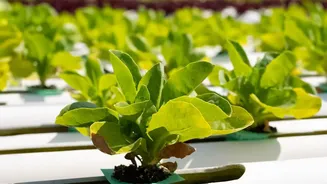
Growing plants without soil, a method known as hydroponics, might sound futuristic, but it's a straightforward and rewarding way to cultivate herbs indoors. One of the biggest advantages is cleanliness; with no soil, there's no dirt to spill, making it ideal
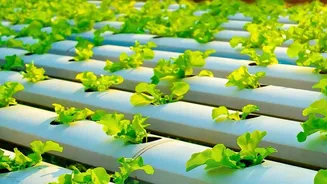
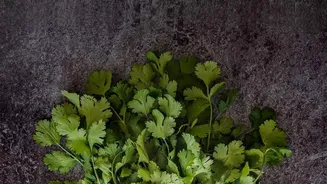
for a tidy kitchen or apartment balcony. This method also offers greater control over the plant's environment. Since nutrients are delivered directly to the roots via a water solution, plants often grow faster—sometimes 30-50% quicker than in soil. This means you get a continuous supply of fresh dhaniya with more frequent harvests. Furthermore, soil-free systems are incredibly space-efficient and reduce the risk of soil-borne pests and diseases, which means fewer problems for beginner gardeners.
Your Simple Hydroponic Setup
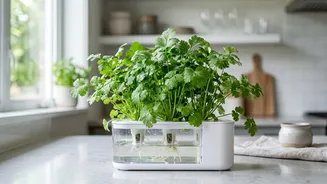
You don't need a complex, expensive system to start. A simple passive method, often called the Kratky method, works wonderfully for herbs like coriander. This involves a container to hold water, a lid with a hole, and a small net pot to hold the plant. The plant's roots hang down into a nutrient-rich water solution. As the plant grows and consumes the water, the water level drops, creating an air gap that provides oxygen to the upper roots. This clever, self-regulating system requires no pumps or electricity, aside from a light source. You can easily create a setup using a recycled plastic bottle, a glass jar, or a small bucket.
What You Will Need
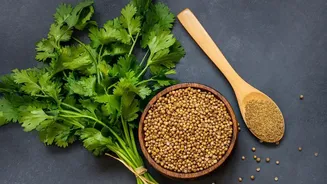
Getting started requires just a few basic materials. First, you'll need high-quality coriander seeds; look for seeds sold for agriculture or gardening for a better germination rate. A simple container like a mason jar or a plastic tote will serve as your reservoir. You'll also need net pots (small plastic baskets) to hold the plant and a growing medium like coco peat, perlite, or rockwool to provide support. The most crucial component is a balanced hydroponic nutrient solution, which contains the essential minerals plants need to thrive. A general-purpose formula for leafy greens or herbs is a great choice. Finally, while a sunny windowsill can work, a small LED grow light will ensure your coriander gets the 12-16 hours of light it needs daily for lush growth.
A Step-byStep Guide to Growing
1. Prepare the Seeds: Coriander seeds are technically a fruit containing two seeds. Gently crack the outer husk to improve germination. Soaking the seeds for a few hours can also help. 2. Germinate: Place the seeds in a moist paper towel inside a container for 7-10 days until they sprout. Alternatively, you can place them directly into soaked rockwool cubes or coco peat in your net pot. 3. Set Up Your Container: Fill your jar or bucket with water mixed with the hydroponic nutrient solution, following the package directions. The pH should ideally be between 5.5 and 6.5. 4. Transplant the Seedlings: Once your seeds have sprouted and show their first true leaves, place them in the net pot with the growing medium. Position the net pot in the lid of your container so that the roots are submerged in the nutrient solution. 5. Provide Light: Place the setup under a grow light for 12-16 hours per day or in a very sunny spot. Consistent light is key to preventing the plant from becoming leggy.
Care and Harvesting for a Continuous Supply
Maintaining your hydroponic coriander is simple. Keep an eye on the water level and top it up with a fresh nutrient solution as needed. Unlike soil, there's no need for frequent watering; you just need to ensure the roots have access to the solution. Coriander is a fast grower and can be ready for its first harvest in as little as four to six weeks. To encourage continuous, bushy growth, harvest the outer leaves first, cutting no more than one third of the plant at a time. This 'cut and come again' method allows the plant to keep producing fresh leaves for weeks. Because coriander tends to bolt (go to seed) quickly, especially in warmer temperatures, consider succession planting—starting new seeds every few weeks to ensure you always have a fresh batch ready to harvest.