


An Artform Stamped by Hand
Block printing is an ancient and intricate textile technique, with deep roots in India, particularly in regions like Rajasthan and Gujarat. The process is elegantly simple yet requires immense skill. Artisans carve designs onto wooden blocks, dip them
in dye, and meticulously hand-stamp the patterns onto fabric, often using a different block for each colour. Unlike the flawless uniformity of machine-printed textiles, the beauty of block printing lies in its subtle imperfections. These slight variations in colour and alignment are the signatures of the human hand, giving each piece a unique character and soul that mass production can never replicate.
A Natural Fit for Sustainable Fashion
The very nature of block printing aligns perfectly with the principles of sustainable, slow fashion. The process uses minimal to no electricity, relying instead on the skill of the artisan. Many workshops prioritize the use of natural, non-toxic dyes derived from plants and minerals like indigo, madder root, and turmeric, which are safer for the environment and the wearer's skin. Furthermore, the handmade process is inherently small-batch, working against the model of overproduction that fuels fast fashion's waste problem. By choosing block-printed textiles, consumers directly support artisan communities, helping to preserve centuries-old skills and ensure fair wages for craftspeople.
From Traditional Craft to Contemporary Style
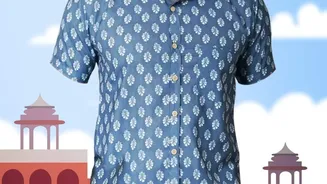
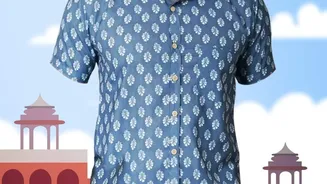
Once largely confined to traditional ethnic wear, block prints are now being embraced by a new generation of designers in India and around the world. Brands like Anokhi, Tjori, and others are reviving these heritage techniques for a modern audience. They are moving beyond classic floral motifs to incorporate contemporary geometric patterns and minimalist designs. By applying these timeless prints to modern silhouettes—think flowing dresses, chic jackets, and versatile shirts—they are proving that this ancient craft can feel fresh and relevant. This fusion of old and new allows consumers to wear a piece of history without looking like they are wearing a costume, blending artisanal beauty with everyday style.
The Challenges of Scaling a Slow Art
Despite its growing popularity, integrating block printing into the modern fashion system is not without its challenges. The primary hurdle is scale. The slow, labour-intensive nature of the craft means it cannot compete with the speed and volume of industrial production. There is also a risk of 'greenwashing', where the term 'block print' is used for machine-made imitations, or the sustainability claims are exaggerated. The sustainability of a garment depends on more than just the printing technique; it also includes the sourcing of the fabric, the types of dyes used (not all are natural), and the treatment of wastewater. Ensuring that the economic benefits flow back to the artisans, rather than being captured entirely by brands, is another critical challenge in making this a truly ethical alternative.
The Power of a Mindful Wardrobe
The rise of block printing as a fast-fashion alternative is ultimately powered by a shift in consumer mindset. As more people seek uniqueness and sustainability, they are recognizing the value in pieces that tell a story. To support this movement, consumers can look for brands that are transparent about their supply chains and their relationships with artisan communities. Authentic block-printed fabric is typically made from natural materials like cotton or silk and has a soft feel, unlike the stiff or synthetic feel of many imitations. Choosing to invest in a hand-stamped garment is more than just a style choice; it is an act of cultural preservation and a vote for a more conscious and sustainable fashion industry.