







Adopt the Two-Bag System
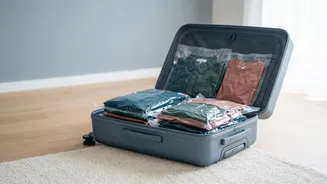
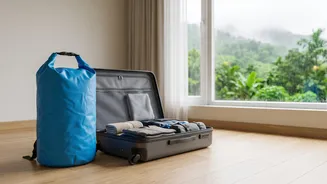
The golden rule for any overnight journey is to divide and conquer. Use a two-bag system: one large bag for the under-bus storage compartment and one smaller carry-on or backpack that stays with you. The main luggage should only contain items you won't
need until you reach your destination, like most of your clothes and shoes. Everything essential for the journey or of high value belongs in the bag you keep with you in your berth or seat. This single decision simplifies everything else.
Create an 'On-Person' Essentials Kit
Your small carry-on bag is your lifeline. This should contain all your valuables and journey essentials. Think of it in categories: electronics (phone, power bank, charging cable), documents (ID, ticket), hygiene (hand sanitiser, wet wipes, toothbrush), and comfort (a light shawl for the AC, eye mask, earplugs). Also, include any necessary medications, a water bottle, and some light, non-greasy snacks, as rest stop options can be unpredictable. Keeping these items in one small, manageable bag means you never have to leave your valuables unattended.
Layer Your Security Measures
A lock on your main bag is a good first step, but don't stop there. For the luggage in the hold, a sturdy lock acts as a deterrent. For the bag you keep with you, consider its position as a form of security. Many experienced travellers suggest sleeping while hugging your bag or using it as a pillow. Another clever hack is to use a small cable lock or even a simple lanyard to physically tether your bag to your seat's armrest or a fixed part of your berth. This makes a snatch-and-grab attempt much more difficult without waking you.
Be Smart About Bag Placement
Where you put your bags matters. When boarding, watch to ensure your main luggage is loaded into the compartment. If possible, try to place it deeper inside rather than near the door. For your carry-on, avoid leaving it on the floor where it can be easily pulled away. If you have an upper berth, you have a height advantage. If you're on a lower berth, you can often slide your bag into the space underneath, making it harder to access. The key is to make your bag inconvenient for a potential thief.
Pack Light to Reduce Worry
The simplest way to secure your luggage is to have less of it. Overpacking not only makes your bags heavier and harder to manage but also gives you more to worry about. Before you pack, make a list and stick to it. Do you really need five pairs of shoes for a three-day trip? Can you wear your bulkiest items, like a jacket or heavy boots, during the journey instead of packing them? Travelling with one well-packed main bag and a small personal backpack makes you a less appealing target and simplifies your entire journey.
Stay Alert During Stops
The bus being stationary is a high-risk time for theft, whether at designated rest stops or when picking up new passengers. When you get off the bus for a break, even for a few minutes, always take your most valuable items with you — your phone, wallet, and passport. Never leave your small personal bag unattended in your seat or berth. While theft from locked luggage compartments is less common, being aware and getting off the bus promptly at your final destination to claim your bag is always a good practice.