







The Big Picture: More Choices, Greater Convenience
For years, international travel from India often meant a mandatory stopover in the Middle East or Southeast Asia. That is rapidly changing. In 2026, a combination of fleet expansions by Indian carriers like Air India and IndiGo, coupled with international airlines
adding new routes, is creating a web of direct connectivity. This boom is fueled by India's growing economy, a rising number of outbound tourists and students, and strategic fleet acquisitions. For travellers, this translates to shorter journey times, more competitive fares, and the excitement of easily accessible new destinations. Cities like Delhi, Mumbai, Bengaluru, and even tier-II cities like Indore and Kolkata are at the forefront of this expansion.
Air India's Global Push
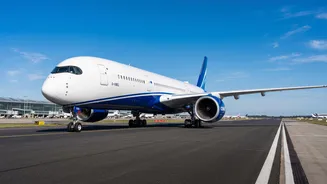
Under its new ownership, Air India is aggressively expanding and upgrading its international services. The airline is deploying new aircraft, including A350s and retrofitted Boeing 777s, on key long-haul routes. In early 2026, the airline added significant capacity to North America and Europe, with 78 additional flights to cities like New York, London, Paris, and Zurich from Delhi and Mumbai. Recent schedule updates also saw the resumption of true non-stop flights to New York (JFK) and Newark (EWR) from both Delhi and Mumbai, cutting travel time by up to five hours by avoiding technical stops. Further east, new services like Mumbai to Tokyo (Haneda) and Delhi to Hanoi have been launched, making Japan and Vietnam more accessible. The airline is also enhancing existing routes, introducing Premium Economy cabins on services to London and Tokyo, and reintroducing First Class on certain flights to the UK.
IndiGo's Leap into New Territories
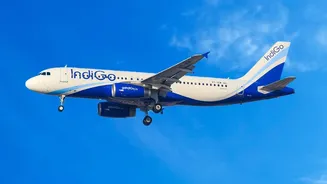
India's largest carrier, IndiGo, is making bold moves in the international space. The airline launched its first-ever direct flights to Greece in January 2026, connecting both Delhi and Mumbai with Athens using its new Airbus A321XLR aircraft. This move signals the airline's ambition to connect India with Europe directly. The carrier's Asian network is also growing, with a notable new daily non-stop service between Kolkata and Shanghai that began in March 2026, strengthening ties with China. New connections have also been established between Delhi and Colombo. While some of its ambitious wide-body plans involving damp-leased aircraft have been adjusted, the airline's strategy clearly points towards more international routes, potentially expanding into Australasia and other parts of Asia-Pacific.
European Carriers Bet on India
It isn't just Indian airlines driving the growth. European carriers are also adding direct flights to tap into the booming market. Swiss International Air Lines (SWISS) launched a much-anticipated direct service between Bengaluru and Zurich, a major win for corporate and leisure travellers in South India. Similarly, SAS Scandinavian Airlines returned to India after a long absence, starting non-stop flights between Mumbai and Copenhagen, opening up a new gateway to the Nordic region. While a planned launch by Aegean Airlines for direct flights from Athens to Delhi and Mumbai was postponed from 2026 to 2027, the intent from European carriers remains strong.
Connecting from Every Corner of India
The expansion isn't limited to just Delhi and Mumbai. Air India Express has been instrumental in connecting Tier-II cities to the world. Recent announcements include a massive winter schedule expansion with over 40 new international routes. This includes the first daily direct link between Bengaluru and Kathmandu, and new connections to Bangkok from Indore and Visakhapatnam. The airline also launched new services to the UAE from cities like Indore and Guwahati, providing millions of passengers in smaller cities direct access to global hubs. This focus on regional airports is a crucial part of the story, democratising international travel beyond the traditional metro hubs.