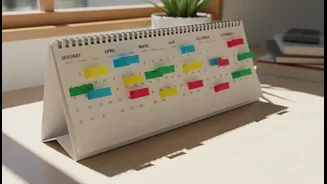










The Invisible Workload
The magic of a family holiday doesn't just happen. It's built on a mountain of invisible work often called “emotional labour.” This isn't just about cooking the main meal; it's the mental energy spent on planning, coordinating, and anticipating everyone's
needs. It's remembering who doesn’t eat what, tracking RSVPs, mediating potential family tensions, and ensuring traditions are upheld so no one feels disappointed. This 'kin-keeping' role, which involves maintaining family ties through tasks like sending cards and planning events, is disproportionately handled by women. One person once described this phenomenon perfectly: "Everyone else arrives and enjoys the holiday. I spend the holiday managing the holiday." This constant cognitive juggling leads to burnout, resentment, and prevents the organiser from ever truly being present and enjoying the very event they worked so hard to create.
Why Does This Pattern Persist?
This unequal distribution of labour often stems from a mix of tradition, unspoken expectations, and gender roles. For years, one person—often a mother, grandmother, or specific aunt—may have been the designated host. Over time, this becomes an assumed role. Other family members may think, “She’s just so good at it,” or, “She seems to enjoy it,” without recognising the stress involved. Sometimes, the organiser themselves finds it hard to let go, fearing things won't be done 'right' if they don't do it all themselves. And frequently, other relatives simply don't see the full scope of the work involved and therefore don't know how or when to step in and offer meaningful help. The result is a cycle where one person is perpetually overwhelmed while others remain passive participants.
Start with a Pre-Holiday Huddle
The key to breaking this cycle is clear and early communication. Before a single decoration is bought or menu item is planned, gather the key family members for a brief meeting or start a dedicated group chat. The goal is to reframe the event as a team project from the very beginning. Use this time to establish that the goal is for everyone to enjoy the day, including the person who usually hosts. You can start by saying, “I’m really looking forward to our holiday together this year, and I want to figure out how we can all pitch in to make it happen.” This isn’t about complaining; it’s about setting a new, collaborative tone.
Delegate Tasks, Not Just Chores
The most effective way to share the load is to delegate entire responsibilities, not just small, disconnected chores. Don't ask, “Can someone help with the food?” Instead, assign a whole domain. For example: “Uncle John, you’re in charge of all beverages—alcoholic and non-alcoholic, including ice and glassware.” Or, “Priya, you’re the head of dessert, from planning to serving.” When you give someone complete ownership of a task, it removes the mental load from the primary organiser. Be specific with your requests to set people up for success. Create a shared list of all the jobs—decorating, creating a playlist, organising a game for the kids, and clean-up—and let people sign up. This makes the full workload visible and turns contributing into a collective effort.
Let Go of Perfection and Embrace 'Good Enough'
For the chronic organiser, learning to let go is as important as learning to delegate. If you hand off the responsibility for the appetisers, you must also accept that they might not be the exact ones you would have made or presented in the same way. Micromanaging delegated tasks defeats the purpose and can make others hesitant to help in the future. The ultimate goal should be connection and shared joy, not a picture-perfect event. Does it really matter if the napkins don’t perfectly match the tablecloth? Allowing for imperfection gives others the space to contribute authentically and reduces your own stress. Remember, a store-bought dessert shared with laughter is far better than a homemade one served with resentment.