




From Pet to Family Member
The single most significant driver behind the gourmet pet food trend is the 'humanization' of pets. Across India's metros and Tier-1 cities, a cultural shift is underway, particularly among millennials and Gen Z. Pets are increasingly viewed not as property,
but as integral family members, companions, or even 'children'. This emotional re-framing changes everything. When a pet is seen as family, owners—now self-identifying as 'pet parents'—are more inclined to provide a level of care that mirrors what they would want for themselves. This mindset is a powerful force, especially in urban areas where nuclear families and single professionals seek companionship and emotional support from their animal companions.
What 'Gourmet' Actually Means
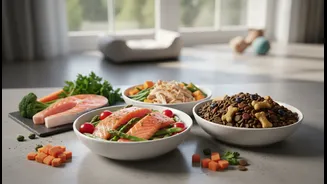
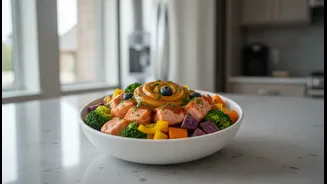
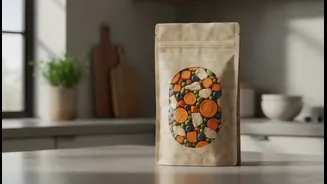
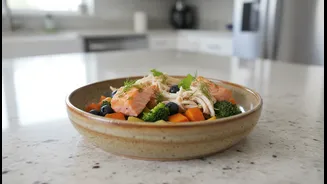
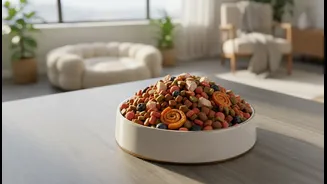
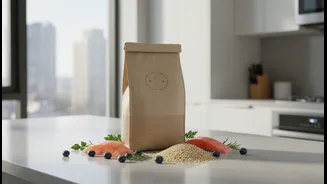
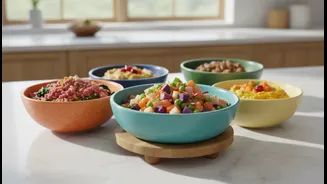
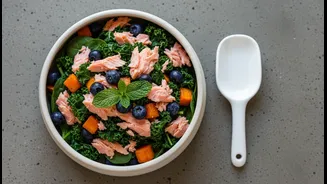
Gourmet pet food moves far beyond standard dry kibble. The term encompasses a range of premium products defined by their quality and ingredients. Think freshly cooked meals, often made with human-grade meat and vegetables, and sometimes delivered via subscription services. These foods are typically free from artificial preservatives and fillers. The offerings can be quite sophisticated, including grain-free formulas, species-appropriate raw food diets, and even delicacies like boneless duck, Atlantic salmon, and pet-safe desserts from specialized bakeries. The core promise of these products is superior nutrition and transparency about what’s in the bowl.
A New Focus on Health and Wellness
The same wellness wave that has swept through human consumption is now influencing pet care. Urban pet owners are more educated about nutrition than ever before and are applying that knowledge to their pets' diets. They are scrutinizing labels for high-quality protein, avoiding allergens, and seeking out functional ingredients that promise benefits like a healthier coat, better digestion, or improved immunity. This has fueled demand for specialized diets, including organic, grain-free, and veterinary-prescribed foods that address specific health concerns like obesity or skin allergies. The rise in searches for 'grain-free food' by 152% is a clear indicator of this trend.
Rising Incomes and Growing Awareness
This premiumization trend is enabled by a combination of economic and informational factors. Rising disposable incomes in urban India mean more households have the financial capacity to spend on high-end products for their pets. Some reports note that urban households can spend thousands of rupees monthly on pet care. Simultaneously, the internet and social media have given pet parents unprecedented access to information about global pet care standards and product options. This heightened awareness creates both the demand for better products and the market for brands to meet that demand. E-commerce and quick-commerce platforms have made these premium and niche products more accessible than ever, even in smaller cities.
The Boom of Indian Pet Food Startups
Responding to this demand, a new ecosystem of Indian pet food startups has emerged. These companies are challenging established international brands by offering innovative solutions like subscription-based fresh meal delivery, raw food diets, and clinically formulated products. Brands like Benny's Bowl, Canine India, and Paw Petisserie are focusing on clean labels, human-grade ingredients, and tailored nutrition to build trust with discerning pet parents. This new wave of entrepreneurs is not just selling food; they are offering a promise of better health, transparency, and a deeper bond between humans and their animal companions.