



Choosing a city for your golden years is about more than just pleasant weather. Daily life hinges on practicalities like getting to the market or a doctor's appointment. Here is what to consider about transport and convenience before you move.
Beyond the Metro: Assessing Public Transport
Major cities
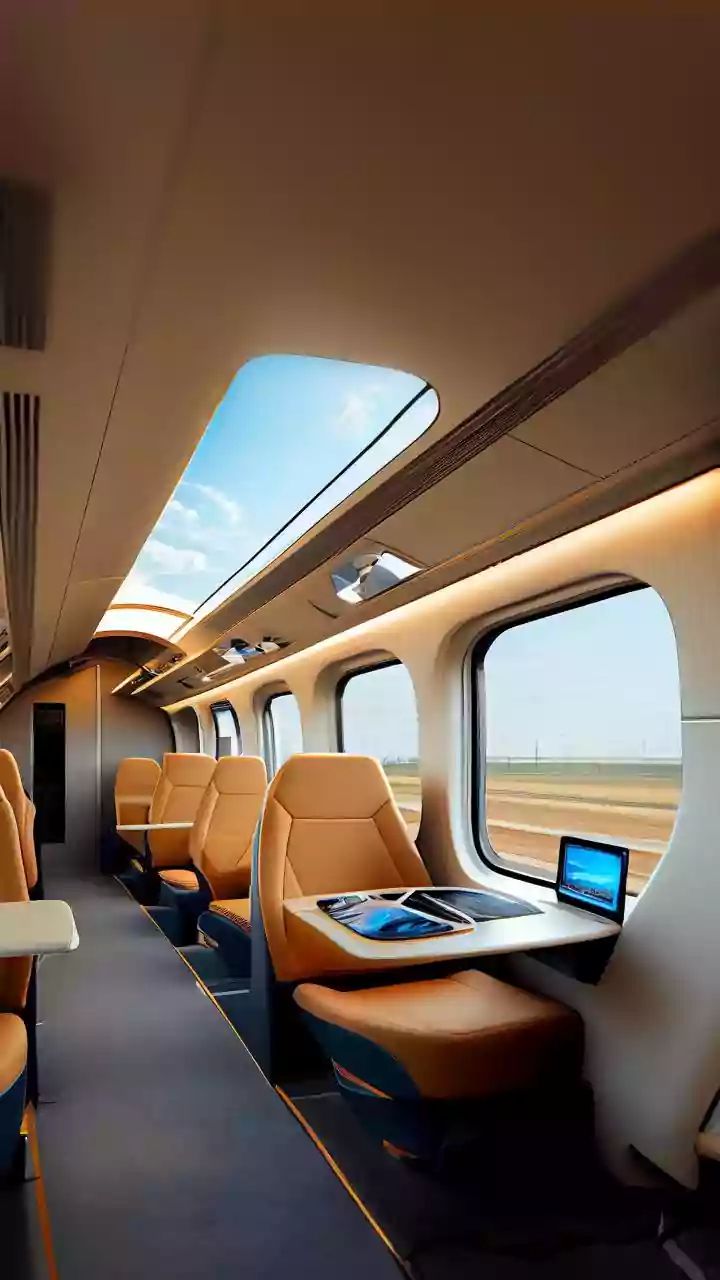
boast metro networks, but for a retiree, the real test is broader accessibility. When evaluating a city, look beyond the shiny new metro lines. How comprehensive is the bus network? Are bus stops sheltered and do they have seating? Some cities are better planned, offering seniors easier access to public transport that connects residential areas to essential services, not just commercial hubs. For instance, cities like Chandigarh are known for their organized layout and wide roads, which translates to a more manageable public transport experience. However, challenges like high steps on buses or overcrowding can still be a significant barrier for seniors, making it crucial to observe the system in person. Consider how you would manage a trip to a hospital or a park, not just a commute to a city centre.
The Crucial Last Mile
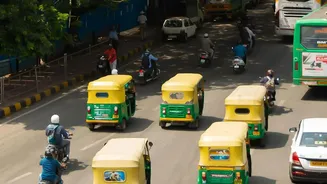
Getting from the bus stop or metro station to your front door is what experts call 'last-mile connectivity', and it is paramount for seniors. This is where auto-rickshaws, cycle rickshaws, and local e-rickshaw services come in. In your potential retirement neighbourhood, assess the availability and affordability of these services. Are they readily available throughout the day? Do you need to haggle excessively, or are meters commonly used? The ease of this final leg of your journey can make the difference between feeling connected and feeling isolated. Some areas may lack reliable options, forcing long walks that can be difficult, especially when carrying groceries or during harsh weather.
Walkability and Your Neighbourhood
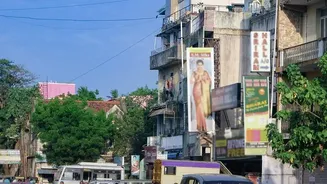
A truly convenient retirement spot is one where daily needs are within a comfortable walking distance. A neighbourhood’s walkability is a key factor for an active and independent lifestyle. Can you walk to a local provision store, a pharmacy, a bank, and a small park? Look for well-maintained pavements, safe road crossings, and adequate street lighting. Cities like Mysore and parts of Pune are often praised for their pleasant, walkable residential areas. Before committing, spend time walking around a potential neighbourhood at different times of the day. This will give you a real feel for its safety, accessibility, and the general community atmosphere, which are vital for daily well-being.
The Rise of On-Demand Convenience
India's digital revolution has transformed daily convenience, and this extends to services for seniors. App-based taxi services offer a comfortable alternative to public transport, with features like doorto door service that eliminate long walks and waiting. Beyond transport, services for grocery delivery, pharmacy needs, and even running custom errands are now available in many cities. Companies are also emerging that specifically cater to seniors, offering everything from companionship to assistance with utility bill payments and banking. When choosing a city, investigate the reach and reliability of these digital services. Their availability can significantly reduce the daily burden of errands, granting you more freedom and peace of mind.
Healthcare Access is Non-Negotiable
Proximity to quality healthcare is a top priority in retirement. This convenience is not just about having a major hospital in the city, but about the ease of getting there. Research shows that distance to a healthcare facility is a critical barrier for older adults in India. Evaluate how long it would take to get to a multi‐speciality hospital during peak and off‐peak traffic. Cities like Coimbatore, Pune, and Chennai are often highlighted for their high concentration of excellent hospitals. Furthermore, consider the availability of specialised medical transportation services, including ambulances with wheelchair or stretcher support, which can be crucial for non‐emergency appointments or transfers. Easy access to clinics, specialists, and emergency services is a fundamental aspect of a secure retirement.