







An Antidote to Digital Overload
It’s a familiar scene in many American homes: a family gathered in the same room, yet each member is lost in the private glow of a smartphone, tablet, or television. While technology connects us in countless ways, it can also create silent divides. Stargazing
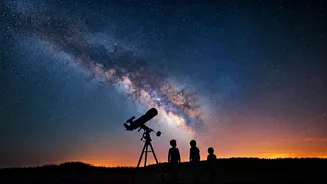
offers a powerful, screen-free alternative. It pulls our attention away from algorithm-driven feeds and directs it toward the shared, magnificent reality of the universe. The simple act of looking up together creates a common focus, replacing digital distraction with collective wonder. This isn't just about seeing stars; it's about recalibrating our senses and reminding ourselves of a world beyond the pixels.
Fostering Curiosity and Connection
For children, the night sky is a natural classroom that sparks boundless curiosity. Pointing out the Big Dipper or spotting a passing satellite can lead to questions about science, space exploration, and our place in the universe. But the benefits aren't just academic. In the quiet darkness, away from the daily hustle, conversations flow more freely. Sharing a thermos of hot cocoa while waiting for a meteor shower provides a rare opportunity for unstructured talk, where stories are shared and bonds are deepened. It’s an activity that puts parents and kids on equal footing as they learn and discover together, creating lasting memories built on shared experience rather than passive entertainment.
Getting Started Is Surprisingly Simple
The idea of astronomy can sound intimidating, conjuring images of complex charts and expensive equipment. But the barrier to entry is incredibly low. Your first stargazing night requires only a few things: a clear night, a spot away from bright city lights, and your own eyes. A blanket or some lawn chairs will make it more comfortable. To enhance the experience, consider downloading a free stargazing app like Star Walk 2 or SkyView Lite. These apps use your phone’s GPS and compass to identify constellations, planets, and stars in real-time as you point your device at the sky. They turn a mysterious canvas into a navigable map, empowering even the most novice observer to feel like an expert.
What to Look For Up There
Once you're outside, what should you look for? Start with the obvious. The Moon is a spectacular and easy target, with its craters and seas visible even to the naked eye or through a simple pair of binoculars. Next, look for bright “stars” that don’t twinkle—those are likely planets. Jupiter and Saturn are often visible and are thrilling to spot. Then, move on to constellations. Begin with an easy one like the Big Dipper, which can be used to find Polaris, the North Star. Annual meteor showers, like the Perseids in August or the Geminids in December, are marquee events that require no equipment at all—just patience and a comfortable place to lie back and watch the show.
Making It a Lasting Ritual
Turning a single night of stargazing into a cherished family tradition is about consistency and adding small, personal touches. Mark your calendar with celestial events like full moons, meteor showers, or planetary conjunctions. Keep a family “star journal” to sketch what you see or write down your favorite moments. As your interest grows, you might invest in a good pair of astronomy binoculars or a beginner-friendly telescope. Consider taking a family trip to a designated Dark Sky Park, where the lack of light pollution reveals the Milky Way in all its glory. By weaving the night sky into the rhythm of your family life, you create a tradition that’s not only fun and educational but also deeply meaningful.