






When the air outside is thick with smog, our homes should be a safe haven. Many of us hope our leafy houseplants are standing guard, purifying the air we breathe. But how much can they really do against a siege of serious pollution?
The Myth of the Air-Purifying Plant
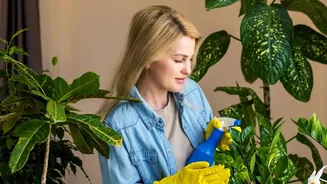
The belief that houseplants
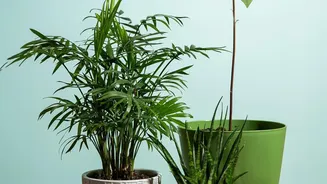
can cleanse indoor air is widespread, largely thanks to a famous 1989 NASA study. This research showed that in a small, sealed chamber, plants like snake plants and peace lilies could remove volatile organic compounds (VOCs) such as benzene and formaldehyde from the air. The problem? Your home is not a sealed space station. Subsequent analysis and reviews have pointed out a major flaw in applying these findings to a real-world home or office. The rate of natural air exchange from opening doors and windows, or even just through normal ventilation, far outpaces a plant's ability to filter pollutants.
A Question of Scale
To achieve the air-cleaning effects seen in lab studies, the numbers are staggering. Research has concluded that you would need anywhere from 10 to 1,000 plants per square metre of floor space to make a meaningful dent in indoor air pollution. That means turning your 1,500-square-foot home into a dense jungle of nearly 700 plants might be necessary to compete with basic ventilation. During a severe smog event, where fine particulate matter (PM2.5) is the primary concern, the slow, gentle work of plants is simply overwhelmed. Most of the purification work in potted plants is also done by microbes in the soil, not the leaves themselves. While plants are wonderful for aesthetics and mental well-being, they are not a practical solution for a serious air quality crisis.
What Really Works: Air Purifiers
For effective protection against smog, technology is your best ally. An air purifier with a High-Efficiency Particulate Air (HEPA) filter is essential. HEPA filters are designed to capture tiny, harmful particles like PM2.5, which are the main culprits in smog and can cause significant respiratory and cardiovascular issues. Many purifiers also include an activated carbon filter, which is effective at removing gases, odours, and VOCs that HEPA filters can't trap. For best results, choose a purifier correctly sized for your room and run it consistently in the spaces where you spend the most time, such as bedrooms and living areas, with the doors and windows closed.
Seal Your Home from the Outside
The first line of defense is to stop polluted air from getting in. When air quality alerts are active, keep windows and doors shut. This simple step can significantly lower indoor pollution levels. Inspect for and seal any gaps or cracks around window frames and door jambs. You can use weatherstripping or caulk for a more permanent solution. Using thick curtains or blinds can provide an additional, albeit minor, barrier. If you have an HVAC system, set it to 'recirculate' mode so it cools or heats the air already inside rather than drawing in polluted outdoor air. Upgrading your HVAC filter to a high-efficiency one (MERV 13 or higher) will also help trap incoming particles.
Practice Smart Ventilation and Reduce Indoor Sources
While sealing your home is crucial during smog, you also need to manage pollution generated indoors. Activities like cooking (especially frying), burning candles or incense, and using harsh cleaning products can all release particles and VOCs into your air. Use exhaust fans in kitchens and bathrooms to vent pollutants outside. However, be strategic. Monitor the outdoor Air Quality Index (AQI). Ventilate your home by opening windows only when the outdoor air quality improves, even if temporarily. This allows fresh air in and flushes out any pollutants that have built up inside without re-introducing a new wave of smog.