

What Exactly Is a Solid-State Battery?
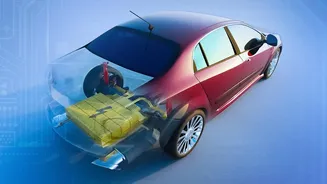
Think of the battery in your phone or a current electric vehicle. It uses a liquid or gel-like substance called an electrolyte to move energy around. A solid-state battery, as the name suggests, replaces this liquid with a solid material, often a thin
layer of ceramic, polymer, or glass. This fundamental change in design is what makes them a game-changer. While traditional lithium-ion batteries are a mature and reliable technology, their liquid electrolyte makes them heavier, bulkier, and carries an inherent risk of leakage or fire if damaged. Solid-state batteries eliminate the flammable liquid, which not only makes them significantly safer but also allows for a more compact and lightweight design.
The Triple Threat: More Range, Faster Charging, and Enhanced Safety
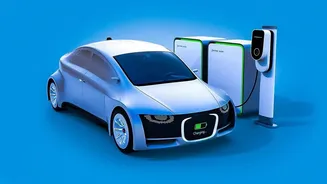
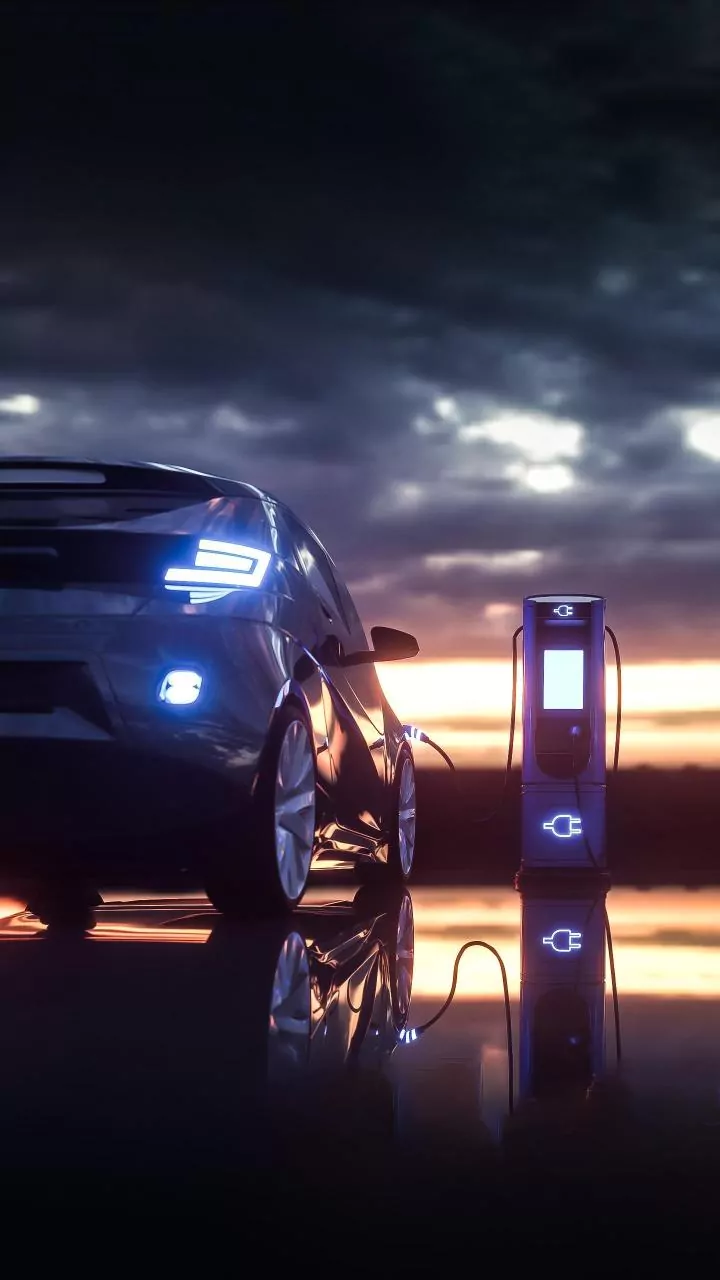
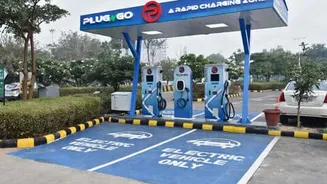
The benefits of this solid construction are threefold. First, they offer much higher energy density. This means they can store more power in the same amount of space, or the same amount of power in a much smaller, lighter package. For an electric scooter rider in India, this translates directly to a much longer range, easing the 'range anxiety' that is a major barrier to adoption. Second, they can charge incredibly fast. Some research suggests a solid-state battery could get to an 80% charge in as little as 15 minutes, a huge leap from current standards. Finally, safety is dramatically improved. The removal of the flammable liquid electrolyte virtually eliminates the risk of thermal runaway—the chemical reaction that can cause batteries to catch fire. This added stability makes them a far more robust choice for vehicles navigating busy Indian roads.
From Lab Concept to Production Line
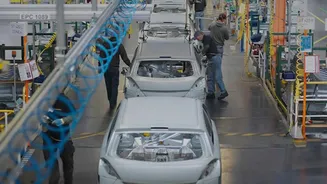
For years, solid-state batteries were described as a 'holy grail' technology that was always five to ten years away. The high cost and difficulty of mass production were significant hurdles. However, a flurry of recent developments shows the industry is turning a corner. Major global players like Toyota, Samsung, and Geely, alongside numerous specialised firms, are heavily investing and hitting key milestones. Chinese automaker Chery, for example, announced in September 2026 that it would begin testing solid-state batteries with double the energy density of current cells. Crucially, progress is being made in developing new materials and manufacturing processes that are steadily bringing down costs. Reports in August 2026 noted that prices for key materials like sulfide electrolytes were declining as hundred-ton-scale production lines entered trial phases, removing major barriers to industrialisation. This signals a shift from lab experiments to viable, scalable products.
The Impact on India's Electric Scooter Market
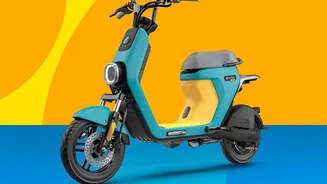
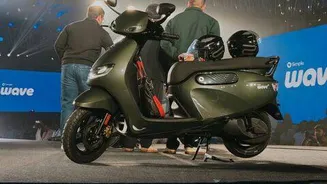
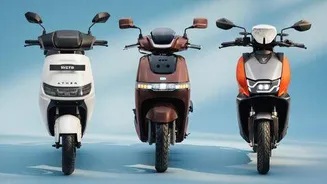
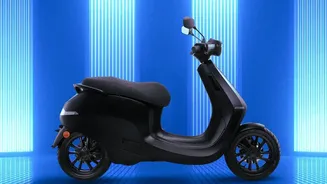
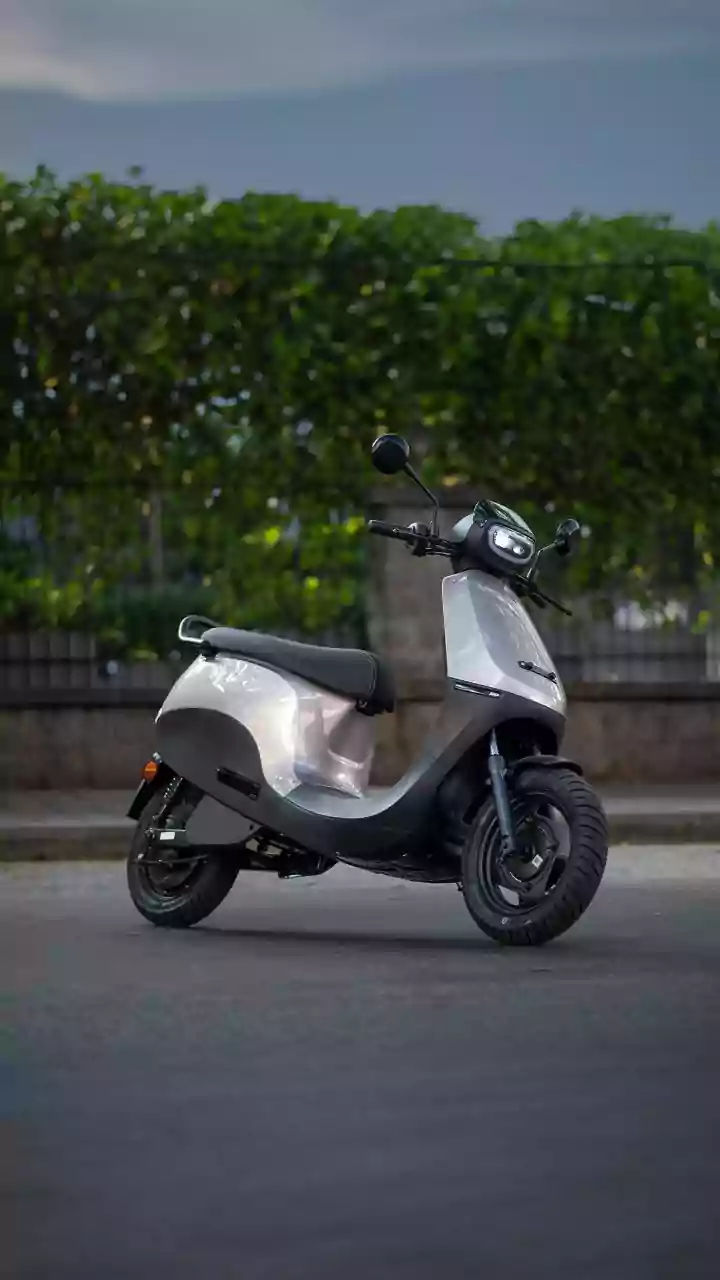
For India, where two-wheelers are the backbone of personal transport, this technology is particularly transformative. The high upfront cost of electric scooters, largely driven by the battery pack, remains a primary obstacle for many potential buyers. A typical lithium-ion battery for an e-scooter in India can cost anywhere from ₹25,000 to over ₹70,000. By enabling smaller, lighter, and eventually cheaper batteries, solid-state technology directly addresses this cost barrier. Indian companies are already in the race, with firms like Ola Electric investing in solid-state R&D for its future products. While mass-market solid-state scooters are not on showroom floors 'today' in the literal sense, the recent breakthroughs have drastically accelerated the timeline. The engineering and production advancements happening now are the final steps before these batteries begin appearing in vehicles, potentially within the next couple of years, heralding a new era of truly affordable and practical electric mobility for the masses.