





The Algorithm as the New Radio
The resurgence of classic Hindi music is no accident; it's powered by the very platforms that define modern internet culture. Social media apps like Instagram and YouTube Shorts have become the new radio, and their algorithms are the DJs. Short-form video
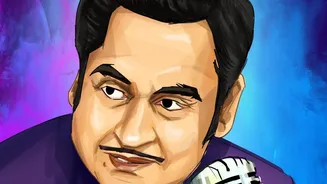
thrives on instantly recognisable and emotionally resonant audio, a role that classic songs fill perfectly. These platforms favour familiarity and content that sparks emotion, creating a feedback loop where a trending old song is shown to more users, who then use it in their own content, amplifying its reach exponentially. A melancholic Kishore Kumar track like 'Mere Mehboob Qayamat Hogi' becomes the default soundtrack for heartbreak edits, while a peppy Asha Bhosle number brings life to countless dance challenges. This digital ecosystem introduces timeless tracks to listeners who may have never encountered them through traditional means.
More Than Just Nostalgia
While millennials and older generations might listen for nostalgia, the trend is being driven by a surprisingly young audience. According to research from Spotify, one of the highest growth areas for the consumption of 1950s and 60s Hindi music is among 18 to 24-year-olds. For many in Gen Z, this isn't about reliving the past; it's a fresh discovery. What they are finding is a stark contrast to some of today's algorithm-driven pop. These older songs are often celebrated for their rich melodic structures, poetic lyrics, and raw emotional delivery—qualities that resonate deeply. In an era of fleeting, catchy hooks, the storytelling embedded in a classic ghazal or a dramatic film song offers a different kind of connection, one that feels more profound and soulful.
The Voices That Cut Through the Noise
At the heart of this revival are the iconic voices themselves. The expressive power of singers like Kishore Kumar, the ethereal grace of Lata Mangeshkar, and the soulful depth of Mohammed Rafi possess a timeless quality that transcends generations. Their vocal performances were not just technically proficient; they were filled with character and emotion, designed to carry the narrative weight of a film. This inherent drama makes their songs incredibly effective in short video clips, where emotion needs to be conveyed instantly. Even without understanding the lyrics, a new listener can feel the joy, sorrow, or romance in their voices. This emotional directness is a universal language, allowing these classics to connect with a global audience that discovers them through algorithmic suggestions.
A Creative Second Life
The trend goes beyond simply playing old tracks. A new generation of creators is actively engaging with this music, giving it a creative second life. This includes everything from slowed-and-reverbed remixes that create a new atmospheric mood to clever mashups that blend classic melodies with modern beats. The trend of remixing old songs, which started in the 90s, has found a new, more democratised form online. Unlike official remixes for films, this user-generated content is more playful and experimental. An old song can become a meme, an aesthetic backdrop, or the foundation for a new dance craze. This constant reinterpretation ensures that the music doesn't just feel like a relic being preserved in a museum; it's a living, breathing part of contemporary online culture, continuously being reinvented for new contexts.