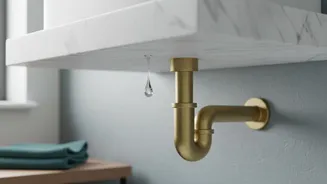







The Myth of the 'Minor' Drip
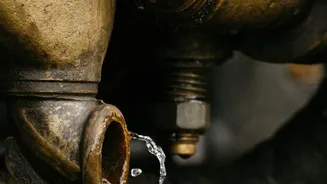
It’s easy to dismiss a small leak under a sink or a faint water spot on the ceiling as a low-priority task. However, in property management, there is no such thing as a minor leak. What starts as a drip can silently cause extensive damage behind walls
and under floors. This persistent moisture creates the perfect breeding ground for mould and mildew, which can lead to significant health risks for tenants and costly remediation for you. Over time, water can rot wooden structures, compromise the building’s foundation, and even create electrical hazards if it reaches wiring. By the time the damage becomes visible, the problem is often far more severe and expensive than the initial leak would have been to fix.
How One Leak Derails Your Entire Calendar
An emergency leak doesn't just demand immediate attention; it completely upends your maintenance timeline. The scheduled HVAC servicing, pest control treatment, and exterior painting all get pushed back. Your vetted and scheduled contractors may not be available for new dates, forcing you to find last-minute, often more expensive, alternatives. This reactive chaos not only costs money but also significant administrative time. Instead of methodically working through your preventative tasks, your focus shifts entirely to damage control—coordinating with plumbers, restoration crews, and disgruntled tenants whose homes have been disrupted. The ripple effect means other important preventative tasks get neglected, increasing the risk of another failure elsewhere.
Building a Proactive, Leak-Centric Plan
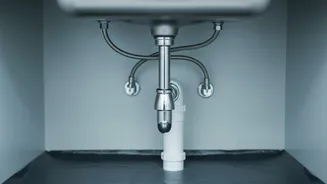
The key to protecting your maintenance calendar is to build it around proactive leak detection. This means shifting from a reactive mindset to a preventative one. A structured plan should include regular, scheduled inspections of all high-risk areas. During quarterly property visits, check under every sink, around the base of toilets, and near appliances like water heaters and washing machines. Look for tell-tale signs like water stains, musty smells, peeling paint, or warped flooring. It's also wise to educate your tenants on how to spot and report leaks immediately, turning them into an early warning system. Documenting these checks creates a valuable history for each property.
From Costly Repairs to Smart Investment
The financial argument for proactive maintenance is overwhelming. The average cost of a water damage insurance claim can run into thousands of dollars. An emergency plumbing call-out, especially after hours, is significantly more expensive than a scheduled inspection. When you factor in the cost of repairing structural elements, remediating mould, and potentially lost rent while the property is uninhabitable, the expense skyrockets. Investing a small amount of time and money into regular inspections and early repairs prevents these catastrophic costs. Think of proactive leak detection not as an expense, but as an investment that protects your property’s value and your cash flow.
Leveraging Technology for Early Warnings
In today’s market, landlords have access to technology that makes early leak detection easier than ever. Smart water sensors are an affordable and effective tool that can be placed in high-risk areas like basements, laundry rooms, and under sinks. These devices can send an immediate alert to your phone the moment moisture is detected, allowing you to address a leak before it causes significant damage. While annual professional inspections are valuable, they leave large gaps where problems can develop unnoticed. Integrating smart sensors provides continuous monitoring, turning your maintenance plan from a fixed schedule into a responsive, real-time system that catches problems the moment they begin.