



Beyond the Familiar Menu
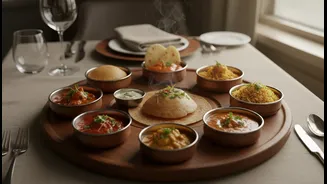
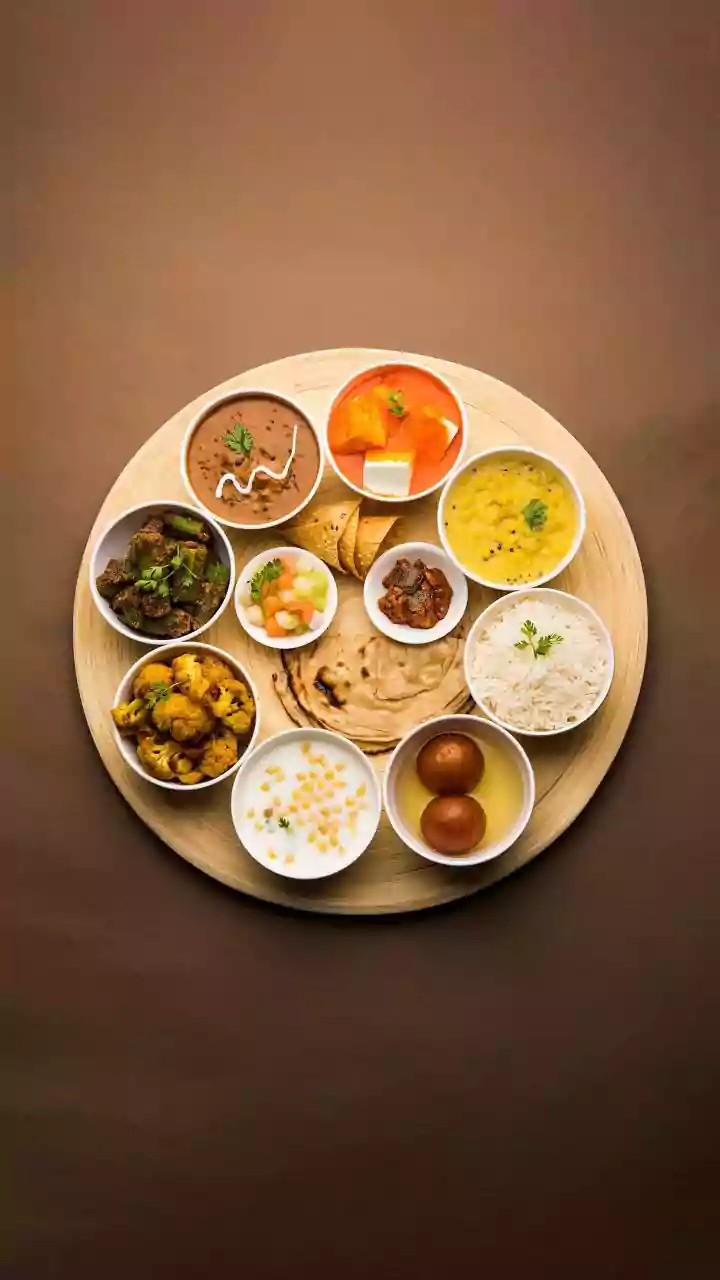
Think of the last time you dined at an “Indian” restaurant. The menu was likely a comforting collection of greatest hits: paneer tikka, dal makhani, maybe a dosa or a biryani. While delicious, these dishes represent a tiny fraction of India’s staggering
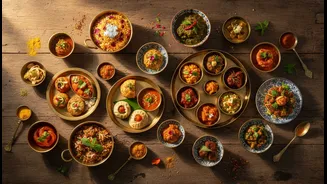
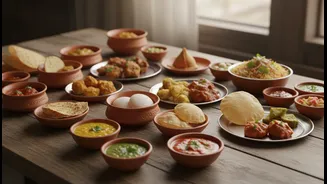
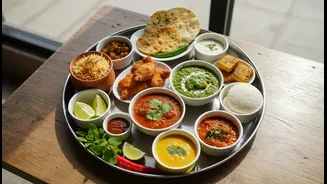
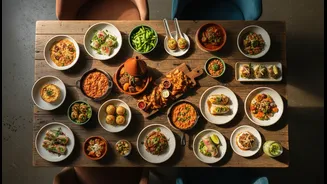
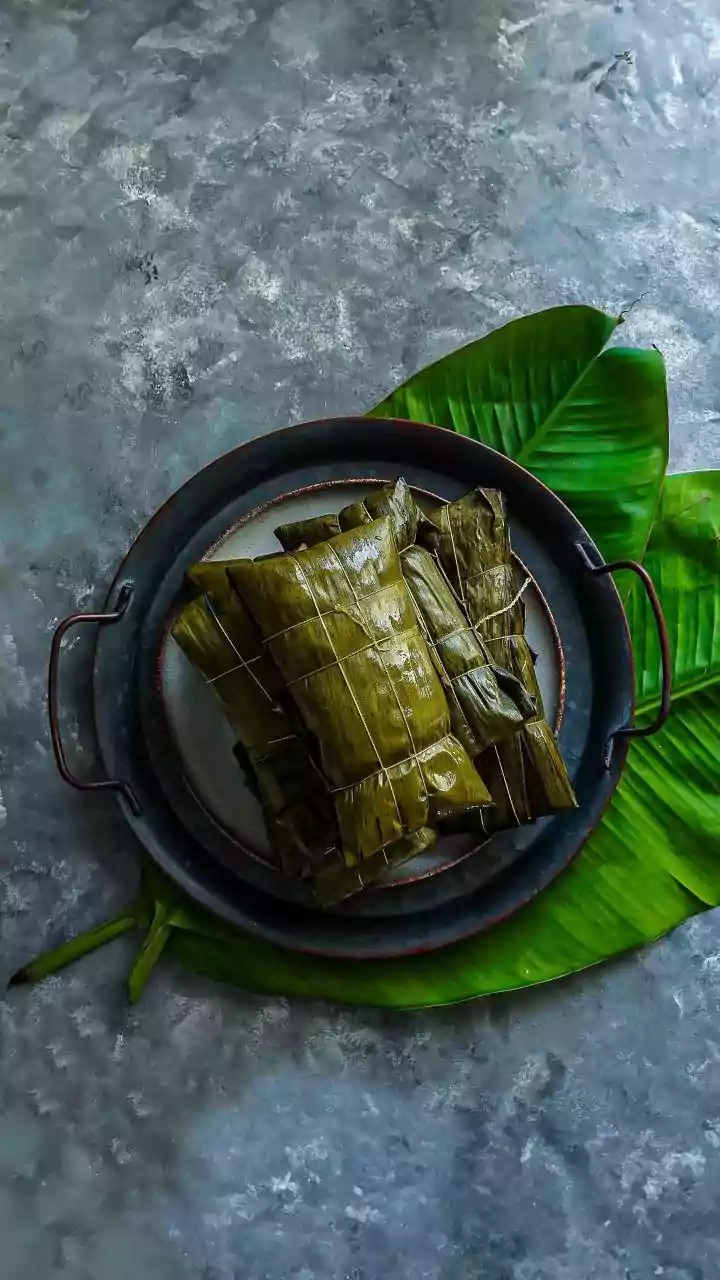
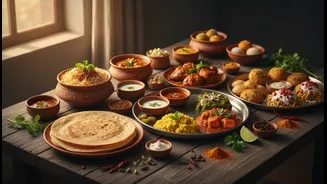
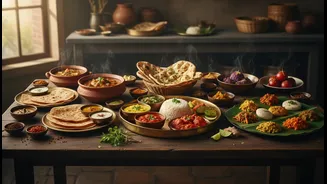
culinary diversity. For decades, a standardised, largely North Indian-inspired menu has defined our restaurant experiences. But now, a quiet revolution is simmering. Chefs and restaurateurs are championing a new philosophy: multi-regional or hyper-regional dining. This isn't about fusion; it's about focus. It’s about menus that act as culinary maps, guiding diners through the distinct food traditions of specific communities and geographies. Imagine a restaurant that serves dishes from the Kodava community of Karnataka alongside recipes from the Kumaoni region of Uttarakhand, or celebrates the unique flavours of Nagaland. This trend moves past the generic “Indian” label to tell a thousand smaller, more specific stories through food.
The New Culinary Storytellers
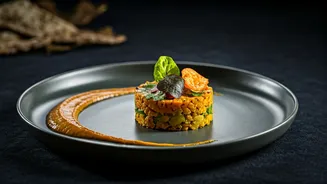
This movement is being led by a passionate generation of chefs who are acting as culinary anthropologists. In Mumbai, chefs like Niyati Rao at Ekaa and Vanika Choudhary at Noon are diving deep into the produce and traditions of regions like Ladakh and Kashmir. In Bengaluru, Chef Anant Sharma’s Sarangi is dedicated entirely to the food of Uttarakhand, a region often overlooked in mainstream dining. Abroad, chefs like Vikas Khanna are earning accolades by presenting hyper-regional dishes with confidence, moving away from the pressure to dilute flavours for international palates. These culinary pioneers travel to remote villages, forage for indigenous ingredients, and revive forgotten recipes passed down through generations. They are creating dining experiences that are not just meals, but immersive journeys into the heart of India’s diverse cultural fabric.
A Delicious Act of Preservation
Why does this trend matter so much? Because every time a regional recipe is chosen over a generic curry, it’s a small victory for cultural preservation. Multi-regional dining is more than just an exciting option for adventurous foodies; it's a vital movement. It creates new markets for farmers growing indigenous crops and ancient grains. It honours the wisdom of home cooks and grandmothers, ensuring their culinary knowledge doesn't disappear. In a world of increasing homogenisation, these restaurants are defiant celebrations of diversity. They remind us that Indian food is not a monolith but a vibrant mosaic of flavours, techniques, and histories shaped by climate, geography, and community. Supporting them is supporting a richer, more authentic, and more sustainable food future for the country.
The Challenges on the Table
If this trend is so important, why does it need “saving”? The reality is that running a hyper-regional restaurant is incredibly challenging. Sourcing authentic ingredients from multiple corners of the country is a logistical and financial nightmare, with unstable supply chains and fluctuating prices. Many diners, comfortable with familiar tastes, are hesitant to try something new, making it a risky commercial venture. These specialised restaurants face intense competition from established chains with bigger marketing budgets and simpler operations. Furthermore, with many traditional recipes passed down orally, the risk of losing this culinary knowledge forever is very real. Without curious and committed patrons, these brave and brilliant establishments can easily flicker out, taking their unique flavours with them.