







The Power of the 'Movement Snack'
In our packed schedules, the idea of a 60-minute workout can feel more like a fantasy than a goal. This is where the concept of 'exercise snacking' comes in. It's not about what you eat, but rather a way of sneaking in short, manageable bursts of physical
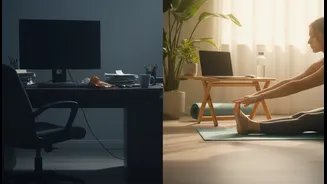
activity throughout your day. Think of it as a series of mini-workouts, lasting anywhere from a few seconds to five or ten minutes. The science is compelling: these short sessions, especially when they break up long periods of sitting, can deliver significant health benefits. Research shows that even brief walking breaks every hour can improve blood sugar and insulin levels. The key is to punctuate sedentary time with movement, which kick-starts crucial metabolic processes in the body. Essentially, by getting up and moving regularly, you’re accumulating health benefits that might otherwise be lost to an all-or-nothing mindset.
More Than Just Physical Benefits
The perks of a five-minute movement break extend far beyond physical health. Many people report immediate improvements in their mental state. Stepping away from your desk for a quick burst of activity can slash feelings of fatigue, boost your mood, and sharpen your focus for the tasks ahead. Studies have shown that even a single break can reduce bad moods and increase feelings of happiness and energy. This is partly mechanical: moving gets blood flowing to the brain, delivering a fresh supply of oxygen that counteracts that drained, tired feeling from sitting still. There's also a 'mood-muscle connection'; contracting your muscles releases chemicals that travel to the brain and help regulate mental and brain health. Far from being a distraction, these short breaks can actually increase productivity and help you feel more engaged with your work.
Your Five-Minute Toolkit
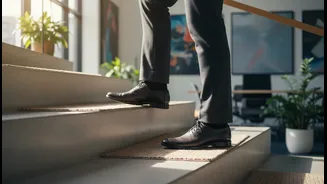
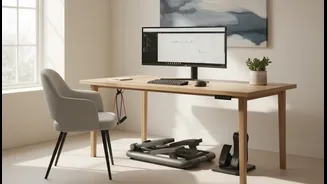
The best part about movement snacks is their flexibility; you don't need a gym, special equipment, or even a change of clothes. The goal is simply to get your heart rate up for a few minutes. Here are some simple ideas you can do almost anywhere: - Stair climbing: Instead of the lift, take the stairs for a few flights. It's a surprisingly effective burst of vigorous activity. - Bodyweight basics: Perform a quick circuit of jumping jacks, bodyweight squats, lunges, or push-ups against a wall or desk. - Desk-bound stretches: Gentle neck rolls, shoulder shrugs, and torso twists can relieve stiffness and tension. - Active waiting: While waiting for your coffee to brew or for a file to download, do a set of calf raises or a one-minute plank. - Dance break: Put on your favourite song and just move for its duration. It's a fun way to get your heart rate up and boost your mood.
Making Movement a Habit
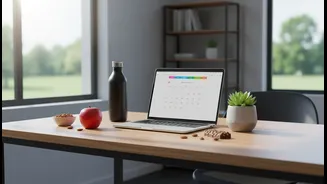
The secret to making exercise snacks work is consistency. The most effective way to build this habit is to link it to an existing part of your routine—a practice known as 'habit stacking'. For example: 'After every phone call, I will do 10 squats.' Or, 'While my computer boots up, I will do 30 seconds of high knees.' You can also use technology to your advantage by setting a recurring timer on your phone or watch to remind you to get up and move every hour. Start small and identify what barriers might stop you, then find a solution. The goal isn't to be perfect, but to make movement a natural and non-negotiable part of your day. Over time, these small actions become second nature.