



The Science Behind the Longest Day
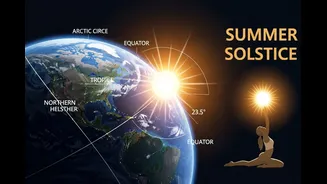
The summer solstice isn't just a random long day; it’s a precise moment dictated by our planet's celestial mechanics. It happens because Earth doesn't orbit the sun upright. Instead, our planet is tilted on its axis by about 23.5 degrees. Think of it like
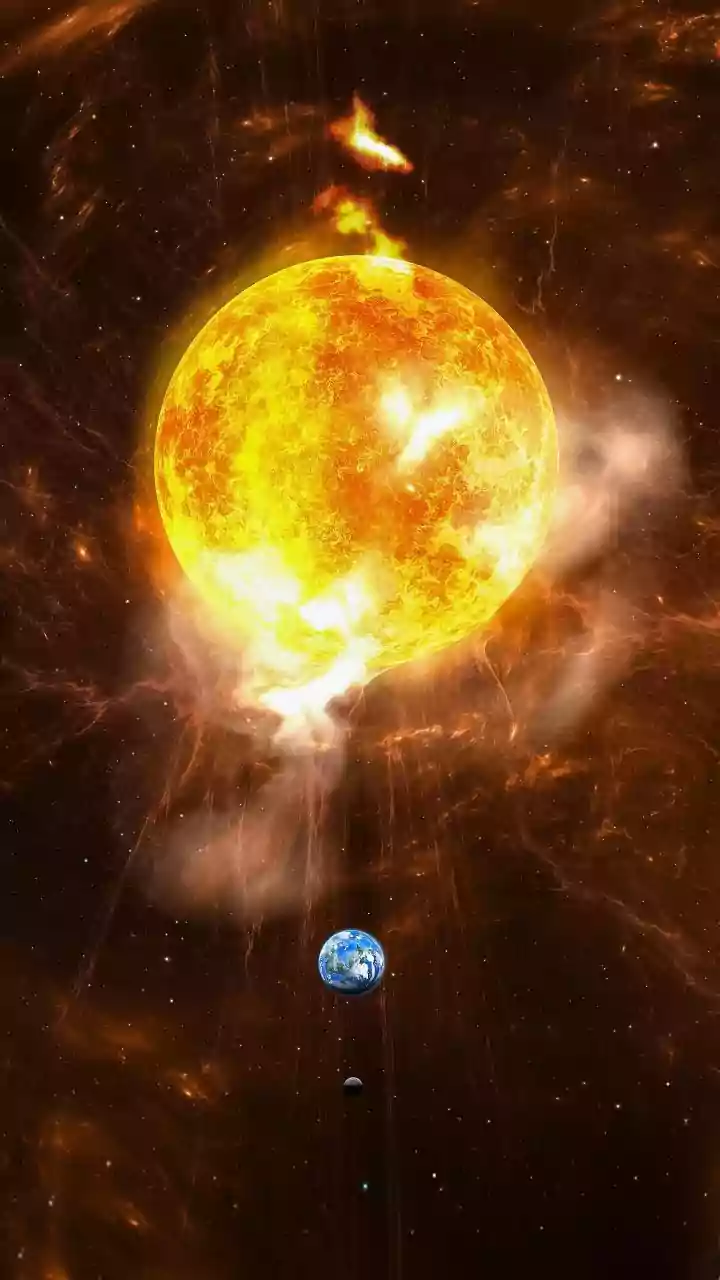
a spinning top that’s leaning to one side as it spins. This tilt is the reason we have seasons. The summer solstice occurs when the Northern Hemisphere is tilted most directly towards the sun. On this day, the sun reaches its highest and northernmost point in the sky, tracing its longest arc and giving us the maximum amount of daylight. For those in the Southern Hemisphere, the opposite is true—it’s their winter solstice and shortest day of the year. This year, the solstice in India will occur on June 21, marking the official start of astronomical summer.
How Long is 'Longest' in India?
The exact length of the day varies depending on your location. Because of India's vast geography, cities in the north experience a more pronounced difference than those in the south. For example, on the summer solstice, a city like Delhi might enjoy over 14 hours of daylight, while a southern city like Kanyakumari, being closer to the equator, will have a day length closer to 12.5 hours. The further you are from the equator in the Northern Hemisphere, the longer your day will be. This geographical nuance is a perfect illustration of the solstice’s effects in action, turning a simple map into a live astronomical chart.
An Ancient Tradition of Sky-Watching
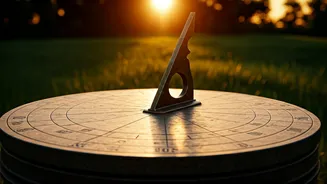
Long before we had atomic clocks and GPS, ancient cultures were master sky-watchers. The sun's journey was their clock and calendar, vital for agriculture, navigation, and religious ceremonies. In India, this legacy is etched in stone. The Jantar Mantars—the enormous masonry observatories built in Delhi, Jaipur, and elsewhere by Maharaja Jai Singh II in the 18th century—are magnificent testaments to this tradition. Structures like the Samrat Yantra, essentially a giant sundial, were designed to track the sun's movement with incredible precision, allowing astronomers to determine the time and mark the solstices and equinoxes. These ancient sites remind us that the fascination with the longest day of the year is not new; it’s a connection to our ancestors who also looked up in wonder.
How Modern Enthusiasts Observe the Sun
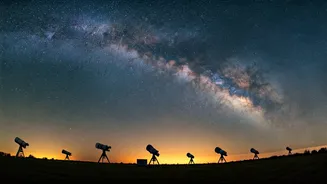
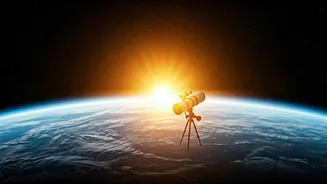
Today, the spirit of the Jantar Mantar astronomers lives on in amateur astronomy clubs and space enthusiasts across the country. For them, the solstice is more than just extra daylight; it’s a key observational event. Many will gather for star parties (which start a bit later on this day!), set up telescopes for solar viewing, or participate in public events at planetariums. One popular activity is tracking the sun's path or capturing an 'analemma'—a year-long photography project that traces the sun's figure-eight pattern in the sky, for which the solstice marks a critical turning point. It's a day for the community to come together, share their passion, and celebrate the elegant and predictable dance of our solar system.
Get Ready: Your Solstice Prep Guide
You don't need a PhD in astrophysics or a giant telescope to appreciate the solstice. The best way to celebrate is simply to be mindful of the event. Find a spot with a clear eastern or western horizon to watch the sunrise or sunset; you'll notice it's at its most northern point. If you want to observe the sun during the day, remember to never look directly at it without proper protection. The safest way is to use specially designed solar viewing glasses or create a pinhole projector—a simple and fun DIY project where you project the sun's image onto a surface. Many local planetariums and science centres also host special events, so check their schedules. Or, just take a moment during the long twilight to appreciate the extra light and the celestial mechanics that make it all possible.