



A Statement Against Fast Fashion
One of the most powerful drivers behind the handloom surge is a growing consciousness about sustainability. Young professionals, particularly Gen Z and millennials, are increasingly aware of the environmental and ethical toll of the fast-fashion industry.
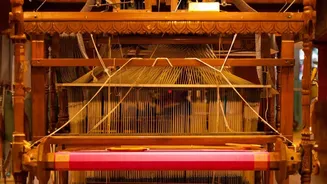
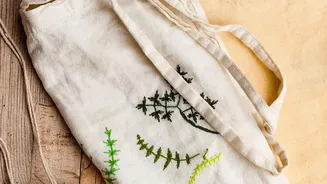
Handloom production, with its minimal energy consumption, use of natural and biodegradable fibres like cotton and silk, and smaller production runs, offers a compelling alternative. Choosing a handwoven garment over a mass-produced synthetic one is seen as a deliberate vote for a healthier planet and a more ethical production cycle. This shift is not just about clothing; it's a lifestyle choice that values craft, durability, and a smaller carbon footprint.
Weaving a Modern Indian Identity
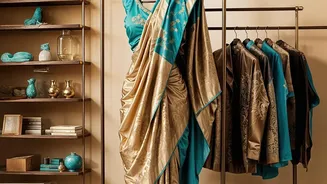
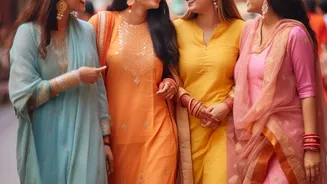
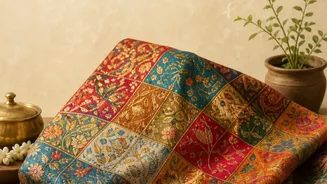
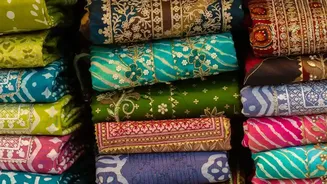
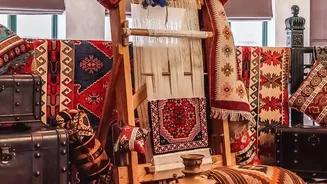
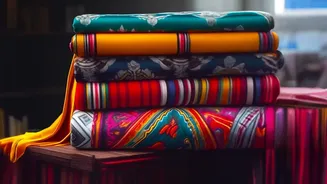
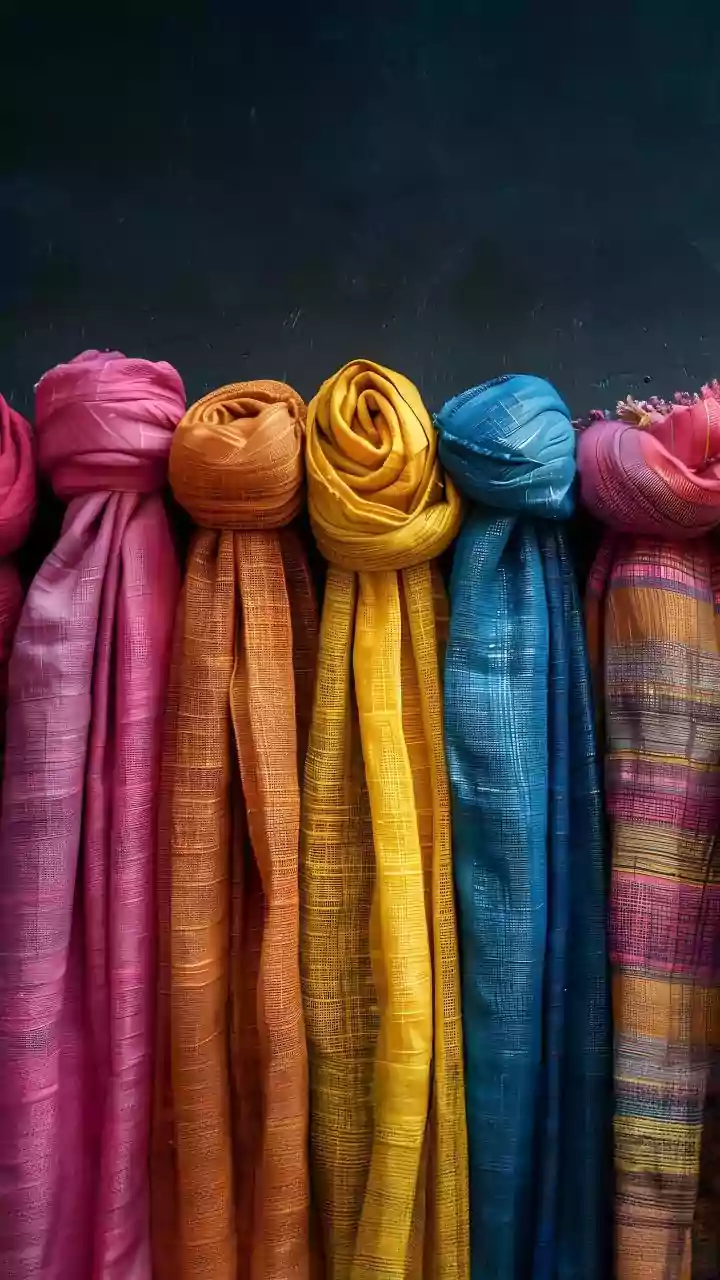
In a globalised world, wearing handloom has become a powerful form of self-expression and cultural pride. For many young professionals, a handloom kurta or saree is more than just office attire; it’s a connection to their heritage. Fabrics like Maheshwari, Chanderi, Ikat, and Jamdani tell a story of regional identity and centuries-old craftsmanship. In a workplace that can often feel homogenous, these textiles offer a way to stand out and signal individuality. It’s a move away from Western-centric formal wear towards a style that is confident, contemporary, and unapologetically Indian.
Comfort That Works
Beyond ideology and identity, there is a very practical reason for handloom's popularity: comfort. Handwoven fabrics made from natural fibres like cotton and linen are exceptionally breathable, making them ideal for India's warm and humid climate. Unlike synthetic materials that trap heat, handlooms keep the wearer cool and comfortable through a long workday. Designers are also creating relaxed, modern silhouettes—like oversized kurtas, co-ord sets, and lightweight sarees—that offer ease of movement without sacrificing professionalism. This focus on wearability has been crucial in transitioning handlooms from occasional wear to daily office staples.
The Social Media & E-Commerce Effect
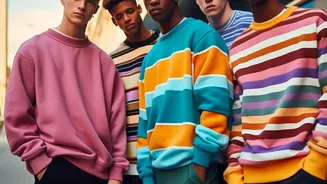
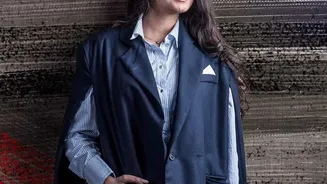
The resurgence of handloom would be incomplete without the influence of social media and digital marketplaces. Instagram influencers and fashion content creators have been instrumental in making handlooms 'cool' again, showcasing how to style traditional weaves in fresh, modern ways. They pair sarees with sneakers, kurtas with denim, and handloom jackets over Western trousers, breaking old stereotypes. Simultaneously, e-commerce platforms and direct-to-consumer brands have made these fabrics more accessible than ever before. Young professionals can now discover and buy unique pieces directly from artisan clusters across the country, creating a direct link between the urban consumer and the rural weaver.
An Economic and Social Uplift
This trend has a significant ripple effect on the ground. The handloom sector is one of India's largest rural employers, with over 35 lakh people, a majority of whom are women, dependent on it. Initiatives like 'Vocal for Local' have further strengthened the sector, encouraging consumers to support indigenous industries. When a young professional buys a handloom product, they are not just making a fashion choice; they are contributing to the sustainable livelihood of an artisan and their family, helping to preserve a priceless cultural heritage. This connection between purchase and purpose adds a layer of meaning that mass produced garments simply cannot offer.