




The Hidden Costs of a Little Rainwater
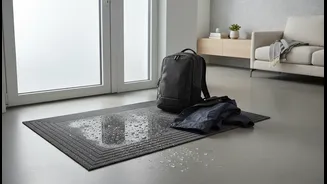
That small puddle from a wet raincoat or dripping umbrella seems harmless, but its effects are cumulative and costly. In compact Indian flats, where every square inch is precious, letting water pool at the entrance can lead to a host of problems. For
homes with wooden or laminate flooring, repeated exposure to moisture can cause warping, staining, and buckling, leading to expensive repairs. Tiled floors are not entirely safe either; water can seep into grout lines, weakening them and promoting the growth of mould and mildew. This not only creates an unsightly appearance but can also contribute to poor indoor air quality and potential respiratory issues. Furthermore, a wet floor is a significant slipping hazard, a danger to everyone in the household, from children to the elderly.
Protecting Your Most Valuable Asset: Your Tech
In today's world, a tech bag is more than just a carrier; it's a mobile office holding laptops, tablets, smartphones, and chargers. During the monsoon, even a water-resistant bag can get soaked. Placing a damp bag on the floor or a wooden shelf allows moisture to slowly seep in, creating a humid microenvironment. This condensation is a silent threat to sensitive electronic components, leading to corrosion, short circuits, and eventual device failure. A dedicated drip zone provides a safe, waterproof harbour for your bag, giving it a chance to air dry properly away from direct contact with surfaces, ensuring the longevity of your expensive gadgets. Even if your bag has a waterproof base, setting it on a dedicated tray prevents any accumulated grime and water from spreading across your clean floors.
Defining and Creating Your Drip Zone
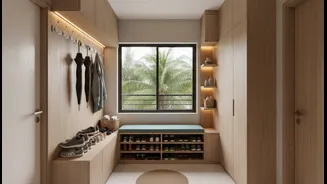
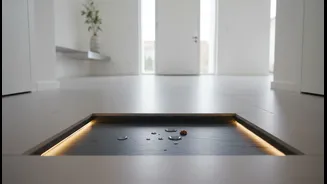
A drip zone, or 'drop zone', isn't just a fancy term for a doormat. It’s an intentionally created, waterproof area right at your entrance designed to contain all the mess from the outdoors. The goal is to have a single spot for wet shoes, umbrellas, raincoats, and bags, preventing clutter from migrating further into your home. In a small flat, this doesn’t require a major renovation. It can be as simple as a designated corner of your entryway. The key is to define the space visually, which helps in building the habit of using it. This small organisational step transforms a chaotic entryway into a functional and welcoming space, making your daily routine smoother, especially on rainy days.
Choosing the Right Drip Solution
The foundation of an effective drip zone is a heavy-duty tray. Look for options made from durable, waterproof materials like hard plastic, rubber, or silicone. A tray with a raised lip is crucial as it contains the water, preventing it from spilling onto your floor. Boot trays, often found in home stores, are an excellent and affordable option. For a more integrated look, you can find stylish trays in various colours and finishes. In a pinch, even a large, shallow plastic storage bin lid can work. For a complete solution, consider placing a small, absorbent, and quick-drying mat inside the tray to soak up excess water and reduce splashing. The best part is that these trays are easy to clean; a quick wipe-down is all it takes to keep them fresh.
Smart Placement and Vertical Thinking
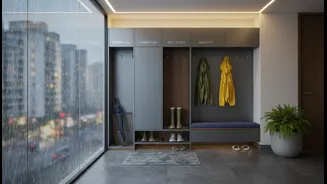
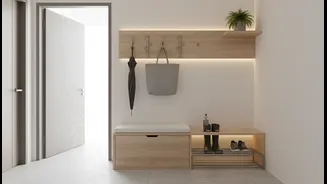
In a compact flat, placement is everything. Position your drip tray right next to the entrance, but ideally just out of the direct line of foot traffic to avoid it becoming a trip hazard. If floor space is extremely limited, think vertically. Install sturdy hooks or a narrow peg rail on the wall directly above your drip tray. This allows you to hang wet raincoats and bags, letting them drip directly into the tray below without occupying any additional floor space. A small, wall-mounted shelf above the hooks can serve as a 'dry zone' for keys, wallets, and mail, keeping all your entry and exit essentials in one organised, easy-to-access location. This system creates an efficient, all-in-one mudroom-style station in a footprint of just a couple of square feet.