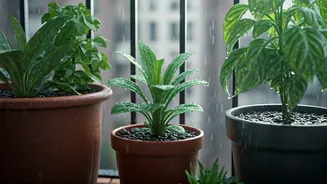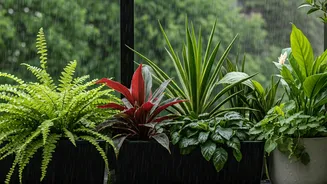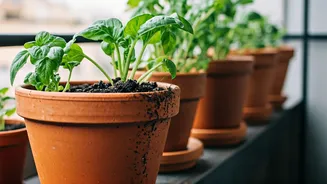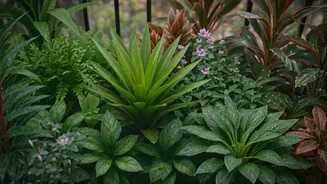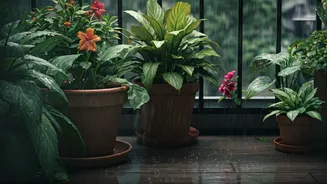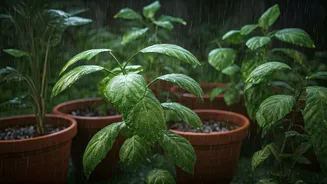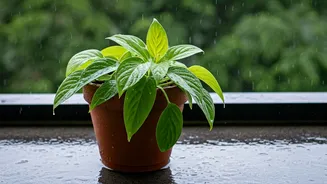







Prioritise Drainage Above All Else
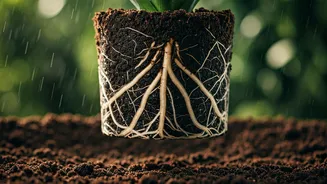
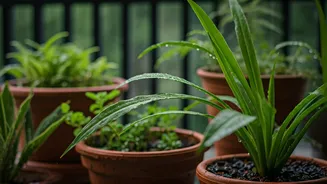
The single biggest threat to your balcony plants during the monsoon is waterlogging, which leads to root rot. Before the rains intensify, check that every pot has clear drainage holes. Often, these holes get blocked over time. A simple poke with a stick
can clear them. For better protection, elevate your pots using bricks, wooden blocks, or dedicated pot stands. This small gap allows excess water to escape freely, preventing the soil from becoming a soggy mess where roots can't breathe. It's also wise to remove any saucers or trays from underneath the pots, as they tend to collect stagnant water, creating a breeding ground for mosquitoes and disease.
Adjust Your Watering Schedule
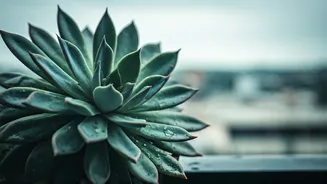
During the monsoon, nature often does the watering for you. It's crucial to stop watering on a fixed schedule. Before reaching for the can, always check the soil's moisture by sticking your finger about an inch or two deep. If it feels moist, the plant doesn't need more water. Overwatering is a common mistake that can suffocate roots and kill a plant faster than you'd think. For succulents and cacti, which are particularly sensitive to excess water, it's best to move them to a spot with some shelter from direct, heavy rainfall.
Guard Against Pests and Fungal Diseases
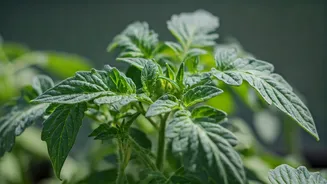
The warm, humid monsoon weather is an open invitation for pests and fungal diseases. High humidity encourages issues like powdery mildew, leaf spot, and root rot. To combat this, ensure good air circulation by spacing your pots out. Pruning dense foliage also helps air move freely through the plant, reducing moisture on leaves. A preventive spray of neem oil solution every 10-15 days can work wonders as a natural fungicide and pest repellent. Regularly inspect your plants for signs of trouble, such as white spots, curled leaves, or cotton-like clusters, which could indicate mealybugs or aphids.
Manage Soil Health and Nutrition
Constant rain can wash away essential nutrients from the soil in your pots. At the same time, the season is a growth spurt for most plants. To replenish lost nutrients, feed your plants with organic matter. A light top dressing of vermicompost or cow dung manure every few weeks is ideal. Avoid chemical fertilisers, which can easily get washed away or burn the roots in soggy soil. Ensure your potting mix is well-draining from the start; a combination of soil, cocopeat, and perlite or sand works well to prevent water retention.
Provide Shelter from Wind and Rain
Monsoon storms often come with strong winds and torrential downpours that can physically damage your plants. Delicate plants or those with large leaves can have their stems broken or leaves torn. If possible, move more vulnerable plants to a sheltered part of the balcony, away from the direct onslaught of wind and rain. For taller plants that cannot be moved, providing support by staking them can prevent them from breaking. This simple step can save your plants from the physical stress of harsh weather.
Prune and Tidy Up Regularly
The monsoon is an excellent time for pruning, as the humid conditions promote quick new growth. Regularly trimming your plants not only helps maintain their shape but also improves air circulation, which is vital for preventing fungal infections. Snip away any yellowing leaves, dead branches, or old flowers. This practice, known as deadheading, encourages the plant to produce new blooms. Also, keep the area around your pots clean by removing fallen leaves and debris, as this organic matter can rot and harbor pests.