

Start Small to Build Confidence
One of the most common mistakes new gardeners make is starting too big. An oversized plot can quickly become a source of stress rather than joy. Begin with a few containers on a balcony or a small, manageable garden bed. This approach allows you to learn
the fundamentals—like watering schedules and pest control—on a smaller scale. Once you've successfully nurtured a few plants, you'll have the confidence and experience to expand your gardening ambitions next season.
Find the Perfect Spot
Choosing the right location is crucial for a successful garden. Most vegetables, herbs, and flowers need at least six hours of direct sunlight each day to thrive. Before you plant anything, spend a day observing your yard or balcony to see which areas get consistent sun. Also, consider convenience. Placing your garden near a water source will save you from hauling heavy watering cans, and keeping it in a visible spot means you're more likely to notice when plants need attention.
Prioritise Healthy Soil
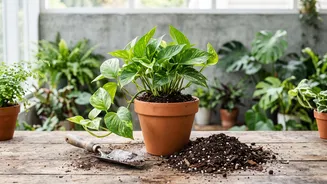
Healthy plants start with healthy soil. Simply digging a hole in your backyard might not yield the best results, as soil can be too dense, sandy, or lacking in nutrients. For beginners, using high-quality potting mix in containers or raised beds is often the easiest path to success. If planting in the ground, improve the existing soil by mixing in a generous amount of compost. This enriches the soil with essential nutrients, improves drainage, and helps retain moisture, creating an ideal environment for plant roots to grow strong.
Choose Easy-to-Grow Plants
Set yourself up for success by starting with plants known for being resilient and productive. For vegetables, great beginner options include leafy greens like lettuce and spinach, radishes, and cherry tomatoes. If you're interested in herbs, mint and basil are notoriously hard to kill and grow quickly. For flowers, pansies and sunflowers are forgiving choices. Starting with these reliable plants helps ensure you'll have a rewarding harvest, which is a fantastic motivator to keep gardening.
Learn to Water Wisely
Both overwatering and underwatering can be fatal to young plants. There is no perfect schedule; the key is to check the soil. The best method is to stick your finger about an inch or two into the soil. If it feels dry at that depth, it's time to water. Water the base of the plant, directly at the soil level, to ensure the roots get a deep drink and to avoid wetting the leaves, which can encourage fungal diseases. It's better to water deeply and less frequently than to give your plants a shallow sprinkle every day.
Use Mulch to Your Advantage
Mulch is a beginner's best friend. Applying a layer of organic material like straw, wood chips, or dried leaves around your plants does several important jobs at once. It helps the soil retain moisture, meaning you'll water less often. It also suppresses weeds by blocking sunlight, and as it breaks down, it enriches the soil with nutrients. A two- to three-inch layer is generally recommended, but be sure to keep it from directly touching the plant stems to prevent rot.