






First, Map Your Festive Expenses
Before you can save, you need to know what you’re saving for. The festive season isn't one single expense but a series of smaller ones that add up quickly. Take some time this month to create a comprehensive list of all potential costs. Think beyond the
big items. Your list should include everything from new clothes for Navratri and gifts for Raksha Bandhan to sweets for Diwali and travel costs for visiting family. Consider categories like home decor, puja supplies, gifting for household staff, and social gatherings. Looking at your bank statements from last year's festive period can provide a realistic baseline. Being honest and detailed at this stage is the most crucial step towards building an effective budget.
Create a 'Festival Sinking Fund'
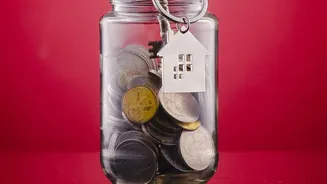
Instead of facing a huge financial burden in October and November, you can prepare for it with a 'sinking fund'. This is simply a separate savings pot dedicated to a specific, predictable future expense. Once you have your total estimated festival budget from the previous step, divide that amount by the number of months you have left to save. For instance, if you estimate a total spend of ₹30,000 and you start in August, you have about three months until the peak of Diwali season. This means you need to set aside ₹10,000 each month. This approach turns a large, intimidating sum into smaller, manageable monthly goals, preventing the need to dip into emergency savings or take on debt.
Automate Your Savings Now
The most effective way to ensure you meet your monthly savings goal is to make it automatic. Don’t rely on willpower alone. Set up a standing instruction or recurring transfer from your primary bank account to a separate savings account dedicated to your festival fund. Schedule this transfer for the day you receive your salary, so the money is set aside before you have a chance to spend it. Treating your festival savings as a non-negotiable monthly expense, just like rent or a utility bill, is the key to consistency. By the time the main celebrations begin, you’ll have a fund ready and waiting.
Plan Your Purchases, Not Just Parties
Smart festival preparation isn't just about saving; it's also about smart spending. August is the ideal time to start planning your shopping. Many retailers offer pre-season sales well before the festive rush. Shopping early helps you avoid the premium prices often seen in the last few days leading up to a major festival, when demand is at its peak. Creating a detailed shopping list and sticking to it will also help you resist impulse buys triggered by aggressive marketing. Furthermore, consider which items can be bought from local markets or wholesalers in bulk, such as diyas or dry fruits, which can offer significant savings compared to high-end stores.
Review and Trim Your Current Spending
To free up more cash for your festival fund, take a close look at your current monthly expenses. Are there any 'money leaks' you can plug? This could be the perfect time to review your subscriptions and cancel any services you no longer use. Small daily habits, like buying coffee or lunch outside, can also add up significantly. By consciously cutting back on a few non-essential items for the next couple of months, you can redirect that money towards your celebration fund. Every little bit helps build a healthier budget, ensuring you don't have to compromise on what truly matters during the festivals.
Use Credit Wisely, If At All
The festive season is synonymous with tempting offers, including 'no-cost' EMIs and credit card discounts. While these can be useful, they can also lead to overspending and future debt. A good rule of thumb is to use cash or a debit card for your festival shopping, as this makes you more aware of your spending limits. If you do plan to make a large purchase on an EMI, ensure you understand the total cost, including any processing fees or hidden charges. The goal is to celebrate without the financial hangover of credit card bills in the new year.