





Choose Your Destination Wisely
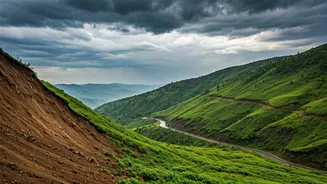
Not all destinations are created equal during the monsoon. While places like Munnar, Coorg, and parts of Goa transform into lush paradises, others become hazardous. Hill stations in Himachal Pradesh and Uttarakhand, for instance, are notoriously prone
to landslides. As of early July 2026, authorities have issued warnings for states like Himachal Pradesh, urging tourists to avoid landslide-prone areas. Similarly, regions in the Northeast, like Arunachal Pradesh and Assam, have reported flash floods and landslides, causing significant disruptions. Consider safer alternatives like the rain-shadow region of Spiti, which stays relatively dry, or destinations in central India that receive moderate rainfall. Before booking, do a quick search for the destination's monsoon history and any recent advisories.
Prioritise Road Safety
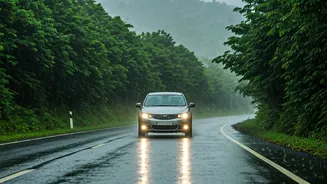
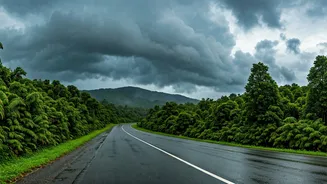
Monsoon road trips can be scenic, but they demand extreme caution. Heavy rains lead to slippery roads, reduced visibility, and the risk of sudden floods or landslides. If you must drive, ensure your vehicle is thoroughly checked, especially the tires, brakes, and wipers. Drive slowly, use headlights in poor visibility, and never attempt to cross flooded roads, as it's impossible to gauge water depth. In hilly areas, avoid travelling at night when risks are higher and rescue is more difficult. It is often safer to hire a local driver who is familiar with the terrain and treacherous spots. If a road looks unsafe or has been blocked, do not attempt adventurous detours; it's better to turn back or wait for it to be cleared.
Stay Updated in Real-Time
The weather during monsoon is highly unpredictable. A sunny morning can quickly turn into a torrential downpour. Relying on a forecast from a week ago is not enough. Download reliable weather apps, such as the IMD's official app, and check them multiple times a day. Follow local news channels and official social media handles of the state disaster management authority for real-time updates on weather alerts, road closures, and other advisories. Currently, IMD has issued alerts for extremely heavy rainfall in regions like Konkan, Goa, and South Gujarat, making it crucial for travellers in those areas to stay informed. Having this information at your fingertips allows you to make agile decisions and avoid getting stranded.
Pack for Health and Hygiene
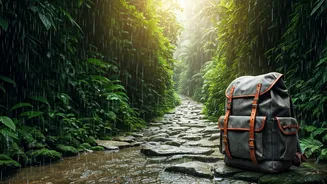
The monsoon brings a higher risk of water-borne and mosquito-borne diseases like dengue, malaria, and typhoid. Your packing list should reflect this. Carry a potent insect repellent and consider using mosquito nets at night. To avoid stomach infections, drink only bottled or boiled water and be cautious with street food. Opt for hot, freshly cooked meals from clean, reputable establishments. Your monsoon kit should also include a basic first-aid box with antiseptics, bandages, anti-diarrhoeals, and any personal medications. Pack quick-drying synthetic clothes instead of cotton, a sturdy raincoat, waterproof footwear, and a waterproof bag or cover to protect your electronics.
Build Flexibility into Your Itinerary
Monsoon is not the time for a tightly packed, rigid itinerary. Delays and cancellations are common, whether due to flooded railway tracks, rerouted flights, or blocked roads. When booking flights, trains, and hotels, opt for flexible or cancellable rates where possible. This gives you the freedom to change your plans without incurring heavy financial losses if the weather takes a turn for the worse. Plan for buffer days in your itinerary, especially if you are travelling to remote or hilly areas. This ensures that an unexpected delay doesn't throw your entire trip into disarray. Embracing a slower, more flexible travel style is key to enjoying the spontaneity of the season safely.