






The Allure of the Spectacle
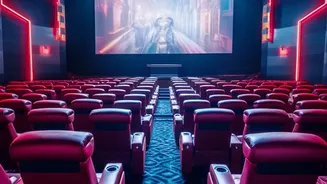
There is a fundamental difference between watching a film and being enveloped by it. This is the promise of spectacle. Technologies like IMAX and Dolby Vision are not just buzzwords; they are deliberate attempts to make the cinematic experience something
that a living room cannot replicate. IMAX, with its towering, curved screens and unique aspect ratios, presents visuals that are often taller and more expansive than standard formats, filling your peripheral vision and pulling you into the world of the film. Filmmakers are increasingly using specialised IMAX cameras to capture these breathtaking sequences, knowing that the sheer scale enhances the storytelling. The visual quality offered by premium formats also plays a crucial role. Dolby Vision, for instance, delivers a high dynamic range with colours up to 40 times brighter and blacks 100 times deeper than standard projectors, creating an image of unparalleled clarity and vibrancy. This isn't just about making the picture look prettier; it's about adding depth and realism that heightens the emotional impact of a scene, a level of detail that home setups struggle to match.
An Orchestra of Immersive Sound
Sound is arguably half the experience of a film, a powerful yet often subconscious tool that shapes our emotional response. In a modern cinema, sound is not just loud; it's intelligent. Advanced systems like Dolby Atmos have revolutionised audio by treating sounds as individual "objects" that can be placed and moved anywhere in a three-dimensional space. This means a helicopter can sound like it’s flying directly overhead, or a whisper can feel like it's right beside your ear. This level of audio fidelity is about more than just a surround sound experience; it's about creating a physically immersive environment. The precise, directional audio builds tension, amplifies joy, and can make an action sequence feel visceral. While home audio systems have improved dramatically, they cannot easily replicate the sheer power and intricate placement of dozens of specifically calibrated speakers found in a premium theatre. The result is a soundscape that you not only hear but also feel, making the story more potent and memorable.
The Psychology of a Shared Room
Perhaps the most irreplaceable aspect of the cinema is the audience itself. Watching a movie with a crowd of strangers creates a unique and powerful form of connection. The shared experience of laughter during a comedy, the collective gasp during a thriller, or the unified cheer at a heroic moment amplifies our own emotional response. This phenomenon is more than just a feeling; there's a psychological basis for it. Shared experiences can foster a sense of community and belonging, combating feelings of isolation. Our brains are wired to react to social cues, and when we are in a room where everyone is focused on the same story, a form of emotional synchrony occurs. This collective engagement makes the highs higher and the emotional moments more poignant. In India, where cinema is deeply woven into the cultural fabric, this shared viewing experience is particularly potent. It transforms a simple movie outing into a communal event, an interactive celebration that is impossible to replicate when watching alone on a couch.
An Experience Worth Leaving Home For
The resurgence of cinema attendance, especially for big-ticket event films, shows that audiences are becoming more selective. They are willing to leave their homes and pay for a premium experience that streaming cannot provide. This has pushed filmmakers and studios to create movies that are explicitly designed for the big screen, relying on grand visuals and complex soundscapes that demand a theatrical viewing. The trend of re-releasing older classics in remastered 4K and enhanced sound formats further underscores this point; audiences are flocking to see films they already love, but in a quality they've never experienced before. This signals a clear understanding from both creators and consumers: convenience is one thing, but an unforgettable experience is something else entirely. The modern cinema is no longer just a place to watch a film; it is a destination for spectacle and connection.