




A Paradise Under Pressure
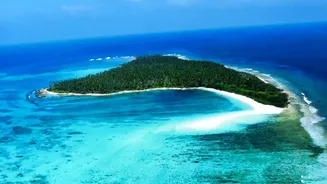
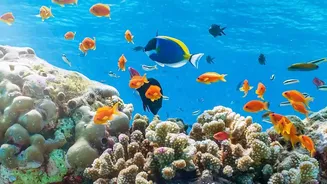
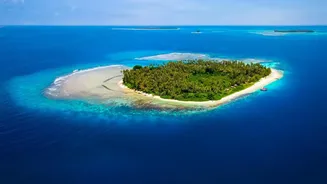
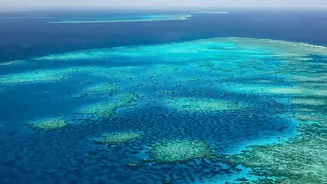
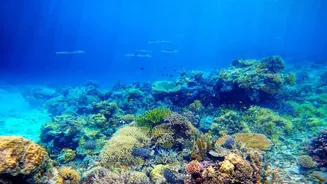
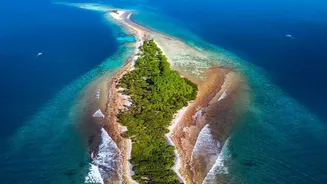
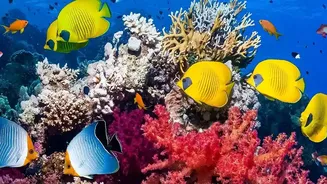
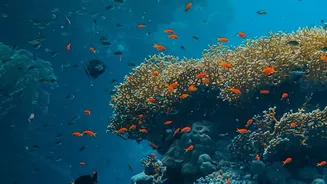
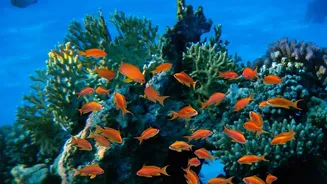
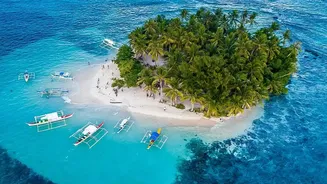
Lakshadweep is an archipelago of 36 coral islands renowned for its stunning marine biodiversity. Below the crystal-clear waters lies a vibrant world of coral reefs, which act as a crucial habitat for countless marine species. However, this pristine environment
faces significant challenges. The combined pressures of climate change, which has caused severe coral bleaching, and a sharp increase in tourism have put the ecosystem at risk. Recent years have seen a surge in visitors, leading to concerns about waste management, freshwater depletion, and the physical impact of unregulated water activities on the sensitive coral gardens. Studies have found microplastics in local marine life, indicating rising pollution levels that threaten both the environment and the local fishing industry.
A New Framework for Responsible Tourism
In response to these growing concerns, the Lakshadweep administration has introduced a series of regulations aimed at fostering sustainable tourism. While some rules have been simplified to ease travel, others have been tightened to protect the environment. As of April 2026, tourists no longer need a local sponsor or a police clearance certificate from their hometown to apply for an entry permit, streamlining the process significantly. However, all non-islanders still require a mandatory entry permit, and applications must be submitted at least 14 days in advance. Crucially, permits are issued for specific islands and dates, and unscheduled island hopping is not allowed. This measure helps manage tourist density across the archipelago.
Regulating Water Activities for Reef Safety
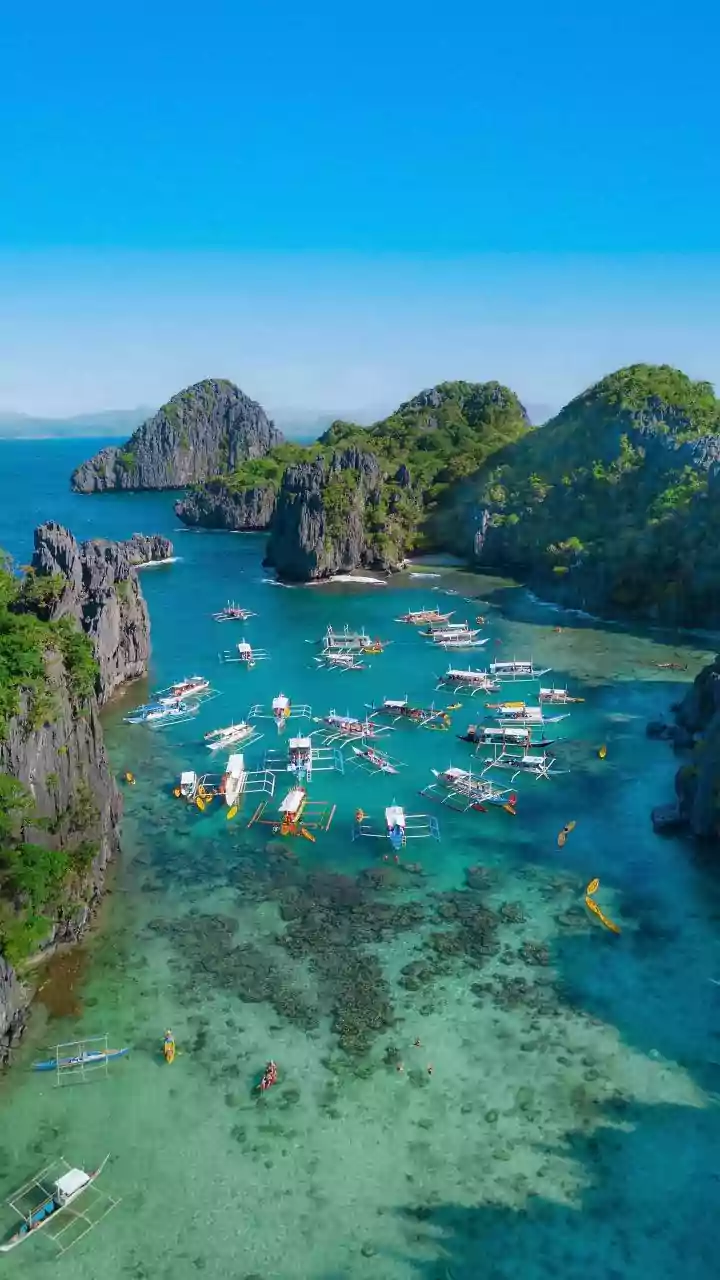
The new guidelines place a strong emphasis on protecting the coral reefs from the direct impact of water sports. While activities like scuba diving, snorkelling, and kayaking are central to the Lakshadweep experience, they are now governed by stricter protocols. Dive centres and tour operators are required to follow strict guidelines to protect the marine systems. Tourists receive training on responsible diving practices and are supervised by professionals to ensure they do not damage the fragile corals. Furthermore, there is a complete ban on single-use plastics on the islands, a move designed to drastically reduce marine pollution. By controlling the how and where of water-based recreation, authorities aim to prevent the kind of overcrowding that can lead to irreversible reef degradation.
What This Means for Travellers
For those planning a trip, these regulations mean a more mindful and structured travel experience. The key is to plan ahead. Your entry permit application must detail every island you intend to visit, including for transit, and you can only stay on the islands specified in your permit. Transit is currently restricted to Agatti and Kavaratti, with a maximum stay of 12 hours. While the permit process itself is now simpler, adherence to the on-ground rules is strict. Visitors are encouraged to bring reusable water bottles, choose eco-friendly accommodations, and respect all environmental guidelines. These measures ensure that your visit contributes positively to the preservation of this unique destination.
Balancing Economic Growth with Ecological Preservation
The regulations are part of a broader vision for Lakshadweep that seeks to balance economic opportunities with ecological preservation. Tourism is a vital source of revenue for islanders, and the government is investing in infrastructure under schemes like Swadesh Darshan 2.0 to develop the islands as a premier ecotourism destination. The goal is to create a high-value, low-impact tourism model. This involves community-led initiatives, where local residents are involved in and benefit from the tourism boom, and a focus on eco-friendly infrastructure like solar power and rainwater harvesting. By managing visitor numbers and activities, the administration hopes to build a sustainable future where the natural beauty that draws tourists is preserved for generations to come.