






The Two Faces of Monsoon Travel
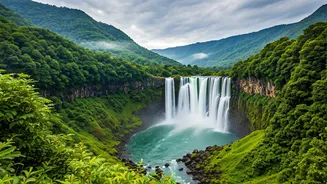
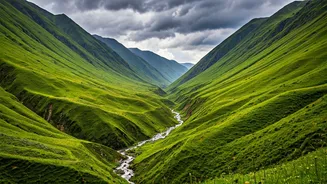
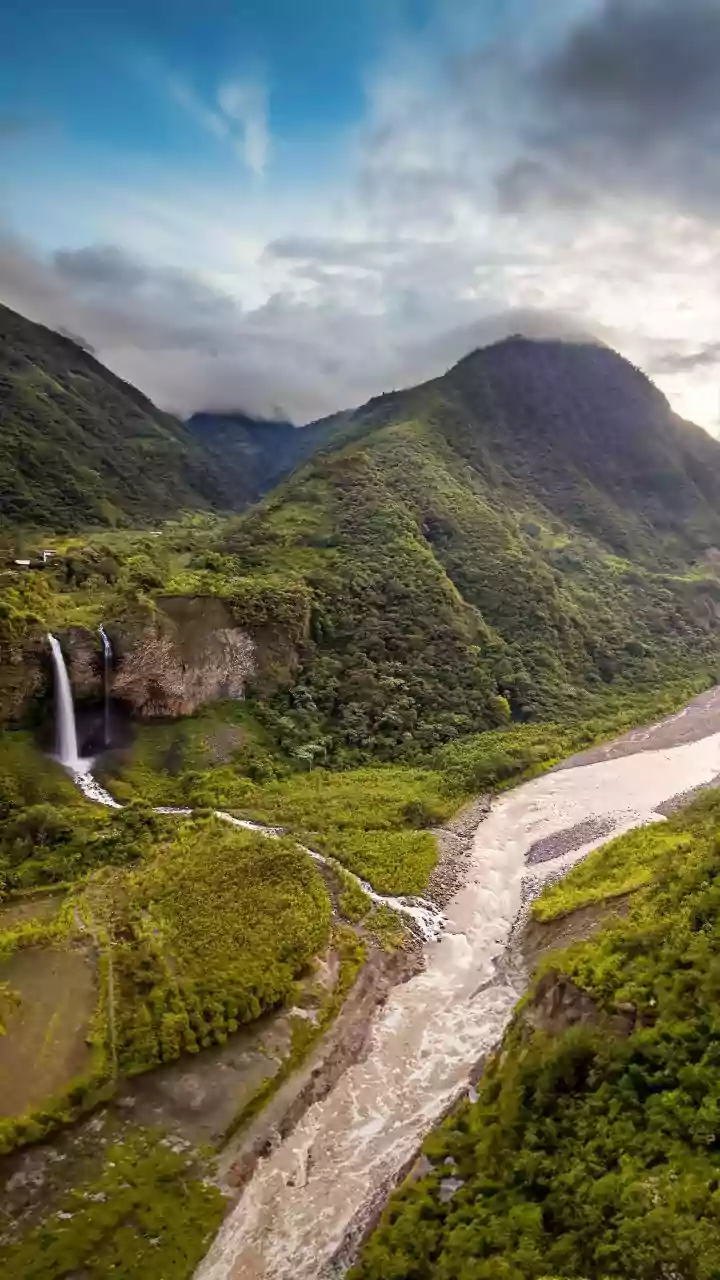
The rainy season in India, typically from June to September, is a time of dramatic transformation. [2, 13] Landscapes that were dry and barren just weeks before burst into life, creating stunning green vistas and powerful, dramatic waterfalls. [2, 13] For
travellers, this period presents a unique opportunity. Popular attractions have thinner crowds, and the tourism industry, being in its low season, often offers significant discounts on flights and luxury hotels. [2, 6, 21, 23] However, the same rains that create this beauty can also bring considerable challenges, including travel disruptions, health concerns, and serious safety risks. [13, 24] This duality makes your choice of destination more important than ever.
Safety First: Avoiding High-Risk Zones
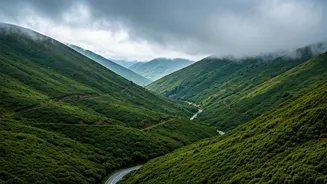
The primary concern during monsoon travel is safety. Many popular hill stations in the Himalayas, such as those in Uttarakhand, Himachal Pradesh, and Sikkim, become vulnerable to landslides and flash floods. [4, 7] Heavy rainfall can destabilize slopes and block roads for extended periods, making travel dangerous and unpredictable. [3, 4] Similarly, low-lying regions and areas with major river systems, like Assam and parts of Bihar, are prone to severe flooding, which can disrupt daily life and make travel nearly impossible. [7, 19] Before booking, it's essential to check weather advisories from reliable sources like the Indian Meteorological Department (IMD) and be aware of your chosen area's geological risks. [3, 8] Choosing a destination with better infrastructure and lower risk is a wiser bet during heavy rains. [4]
Destinations That Flourish in the Rain
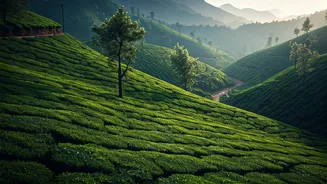
While some areas are best avoided, many parts of India are at their absolute best during the monsoon. The Western Ghats, spanning Maharashtra, Karnataka, and Kerala, become a lush paradise. [13] Hill stations like Lonavala and Mahabaleshwar in Maharashtra come alive with gushing waterfalls. [5, 14] Kerala’s backwaters are deeply atmospheric, and the mist-covered tea plantations in Munnar offer a dreamy escape. [5, 14] For those who prefer less rain, the desert landscapes of Rajasthan are a surprisingly excellent choice. Places like Udaipur and Mount Abu receive just enough rainfall to cool the air and wash the city clean, making them incredibly picturesque without the intense downpours seen elsewhere. [5, 11] The arid regions of Ladakh and Spiti Valley are also ideal as they lie in a rain shadow area, remaining mostly dry. [5]
Embrace the Off-Season Advantage
If you choose your destination wisely, travelling during the monsoon can be incredibly rewarding. The smaller crowds allow for a more authentic and intimate travel experience. [6, 13, 23] Imagine marvelling at the Taj Mahal without a sea of people or exploring ancient temples in solitude. [2, 23] Financially, the benefits are substantial. Airlines and hotels slash their rates to attract visitors, making luxury stays more affordable. [2, 21, 26] This budget-friendly aspect allows travellers to experience high-end properties or extend their trips for the same cost as a peak-season vacation. [26] It's a chance to enjoy five-star hospitality at a fraction of the usual price. [2]
Practical Tips for Your Monsoon Trip
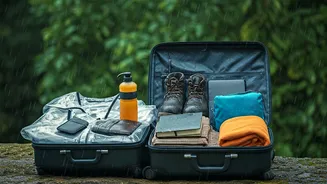
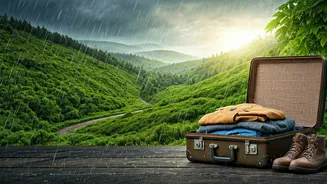
Once you've picked a safe destination, a little preparation goes a long way. Pack lightweight, quick-drying clothes and avoid heavy fabrics like denim. [3, 18] Sturdy, waterproof footwear is non-negotiable. [3, 16] Protect your electronics with waterproof bags or ziplock pouches, and always carry a reliable power bank, as power cuts can be common. [16, 22] Health should also be a priority. Drink only bottled or purified water and be cautious with street food, as the risk of waterborne diseases increases during this season. [8, 18] Carry a basic first-aid kit with essentials for common ailments and insect repellent to guard against mosquitoes. [18, 20]