


The Breakfast Barrier
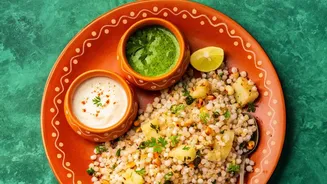
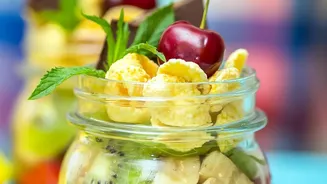
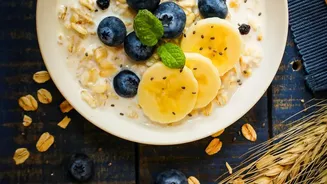
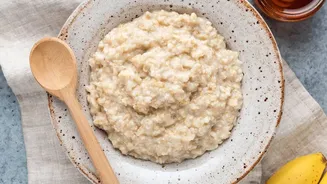
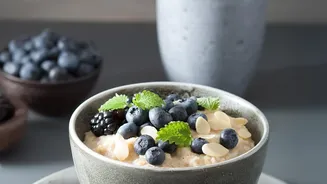
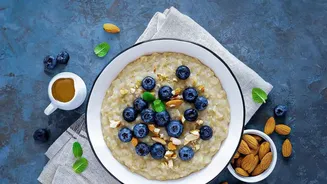
For many Indians, the traditional Western way of eating oats—as a sweet porridge with milk, sugar, or fruit—never quite hit the spot. The Indian palate is accustomed to savoury, spicy, and flavourful morning meals like poha, upma, or parathas. The idea
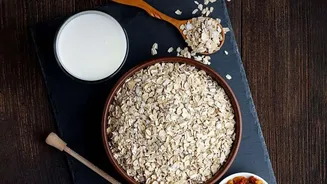
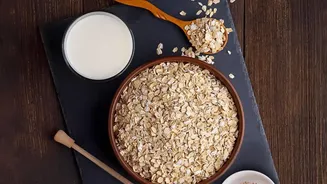
of a sweet, gooey bowl for breakfast was often seen as unappealing or something reserved for when one was unwell. This taste barrier meant that despite being aware of the health benefits of oats, many people struggled to incorporate them into their daily diet. Oats are celebrated for being rich in fibre, particularly beta-glucan, which helps lower cholesterol and keeps you feeling full, making them ideal for weight management. Yet, the flavour gap remained a significant hurdle.
A Stroke of 'Masala' Genius
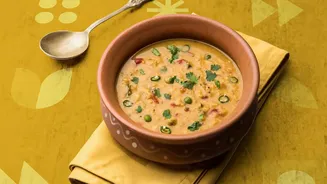
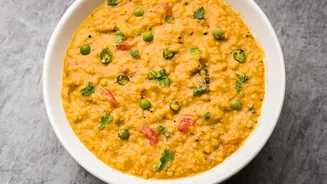
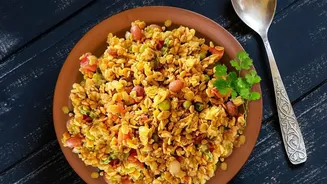
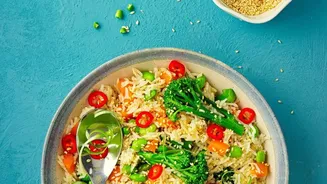
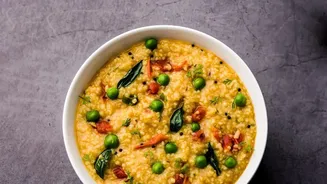
The game changed when food companies and home cooks asked a simple question: what if oats were treated like any other grain? Oats themselves have a neutral flavour, much like rice or semolina (suji). This realisation opened the door to endless savoury possibilities. Enter masala oats. By cooking oats with a familiar mix of Indian spices—turmeric, cumin, coriander, garam masala—and adding sautéed onions, tomatoes, and vegetables, the bland grain was transformed into a delicious, comforting meal that felt distinctly Indian. This innovation bridged the gap between a global health food and local taste preferences, creating a dish that was both nutritious and satisfying to the Indian palate.
The Rise of a Fitness Staple
The timing for this culinary reinvention was perfect. As urban Indians became more health-conscious, there was a growing demand for breakfast options that were both quick and nutritious. Traditional breakfasts, while delicious, can sometimes be carb-heavy. Masala oats offered a balanced alternative, providing complex carbohydrates for sustained energy, protein, and the high fibre content oats are famous for. Brands like Saffola and Quaker were quick to tap into this trend, launching a range of instant masala oats flavours that catered to the busy lifestyles of urban professionals. These convenient packets, which cook in just a few minutes, made a healthy breakfast accessible even on the most hectic mornings. This convenience was a major factor in their soaring popularity among the fitness-focused city dwellers.
More Than Just a Packet Meal
While packaged masala oats drove the initial trend, the concept has since evolved into a versatile, homemade dish. A search online reveals thousands of recipes for homemade savoury oatmeal, with endless variations. Home cooks now add everything from mixed vegetables and paneer to lentils and eggs, customising their bowls for extra protein and nutrients. This shift from packet to pan shows that masala oats are no longer just a quick fix but have been fully integrated into modern Indian home cooking. Nutritionists often approve of this homemade trend, as it allows for control over sodium and the use of fresh, wholesome ingredients, making an already healthy meal even better. Adding vegetables, for example, increases the fibre and vitamin content, keeping you fuller for longer.
A Reflection of Modern India
The success story of masala oats is a perfect example of India's unique approach to globalisation. It reflects a culture that is open to adopting global health trends but is also deeply connected to its own culinary roots. Instead of simply accepting a Western food trend as is, Indian consumers and brands have adapted and Indianised it to create something new that feels both modern and familiar. The humble bowl of masala oats is more than just breakfast; it's a delicious symbol of cultural fusion, proving that healthy eating doesn't have to mean compromising on the flavours you love.