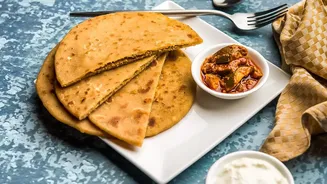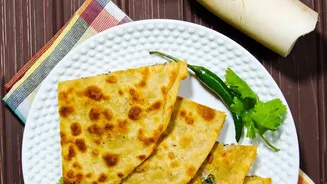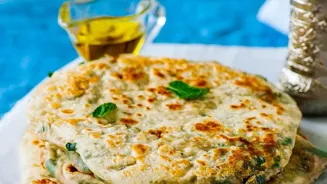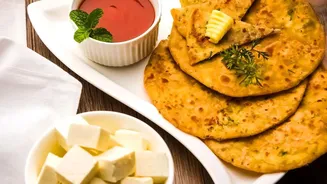


Stuck in a breakfast rut of the same old poha, upma, or toast? It’s easy to fall into a routine, but your morning meal is the perfect opportunity to nourish your body and delight your taste buds. Enter the Jowar and Radish Paratha.
A Wholesome Twist on a Classic
The paratha is a beloved
staple in Indian households, a versatile flatbread that can be enjoyed plain, stuffed, or layered. While traditionally made with whole wheat flour, swapping it for jowar (sorghum) flour offers a rustic, earthy flavour and a host of health benefits. Paired with the sharp, peppery notes of mooli (radish), this paratha is a delightful departure from the everyday. It's a combination that feels both traditional and refreshingly new, perfectly suited for a health-conscious palate that refuses to compromise on taste. This isn't just about trying something different; it's about upgrading your breakfast to be more nutritious and exciting.
The Nutritional Power of Jowar
Jowar is a nutritional powerhouse that has been a part of Indian diets for centuries. One of its most significant advantages is that it is naturally gluten-free, making it an excellent choice for those with gluten sensitivity or celiac disease. Beyond that, jowar is rich in dietary fibre, which aids digestion, promotes a feeling of fullness, and helps in weight management. It also has a low glycemic index, meaning it releases sugar into the bloodstream slowly. This property makes it particularly beneficial for managing blood sugar levels. Furthermore, jowar is a good source of essential nutrients like magnesium, iron, and protein, contributing to overall energy and well-being.
Don’t Underestimate the Humble Radish
Often relegated to a simple salad ingredient, the radish (mooli) brings its own impressive set of benefits to the table. Radishes are incredibly low in calories but high in water and fibre, which helps keep you hydrated and full. They are an excellent source of Vitamin C, an antioxidant that boosts immunity and promotes healthy skin. Traditionally, radish is also valued in Ayurveda for its detoxifying properties and its ability to improve digestion. Its pungent flavour, which can be mellowed by cooking, provides a wonderful contrast to the mildness of the jowar dough, creating a balanced and flavourful filling.
Your Step-by-Step Recipe Guide
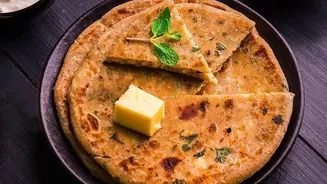
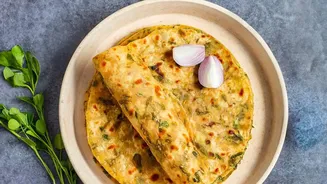
Making these parathas is a straightforward process. The key lies in preparing the dough and filling correctly. 1. Prepare the filling first. Place the grated radish in a bowl and sprinkle with a little salt. Set aside for 10-15 minutes. This will cause the radish to release water. Squeeze the grated radish firmly to remove all excess liquid. This is the most crucial step to prevent the parathas from breaking. Now, add all the spices and chopped coriander to the squeezed radish and mix well. 2. To make the dough, boil the water. In a large bowl, take the jowar flour and salt. Slowly add the hot water and mix with a spoon. Once it's cool enough to handle, add the oil and knead into a soft, smooth dough. Let it rest for 10 minutes. 3. Divide the dough into equal-sized balls. Take one ball, flatten it slightly, and dust with dry jowar flour. Roll it into a small circle. Place a portion of the radish filling in the centre. 4. Bring the edges of the dough together to seal the filling completely. Gently flatten the ball and dust with flour again. Carefully roll it out into a paratha of medium thickness. Be gentle, as jowar dough is more delicate than wheat dough. 5. Heat a tawa (griddle) over medium heat. Place the paratha on the tawa and cook for a minute. Flip it and apply ghee or oil on the cooked side. Flip again and apply ghee on the other side. Cook until both sides have golden brown spots.
Tips for Perfect Parathas
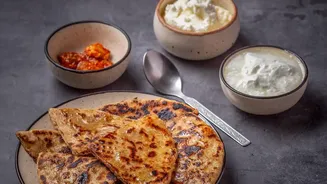
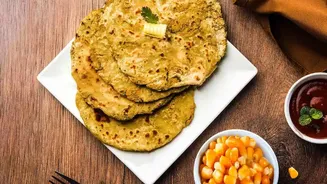
To ensure your Jowar-Mooli Parathas turn out perfectly every time, keep these tips in mind. Using hot water to knead the jowar dough is non-negotiable; it helps create a more pliable and manageable dough that won't crack easily. When rolling, do not apply too much pressure. A light hand is key. If you are new to handling jowar flour, you can add a tablespoon or two of whole wheat flour to the dough for better binding. Serve these delicious and healthy parathas hot off the tawa with a side of plain curd, a dollop of white butter, or your favourite pickle for a truly satisfying breakfast experience.