


Go Beyond a Simple Forecast
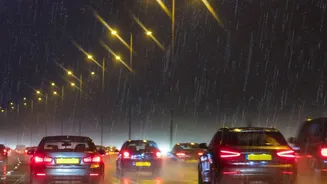
A basic weather app showing a rain cloud is not enough to assess monsoon risk. The key is to understand the intensity and duration of the rainfall. September is a transitional month; while the heavy downpours of July and August may have subsided in some
regions, they can persist or re-emerge in others. For early September 2026, the India Meteorological Department (IMD) has already forecast heavy to very heavy rainfall across parts of eastern, central, and northern India, including states like Odisha, Chhattisgarh, and Uttarakhand. This highlights the need for detailed information. Look for specifics like 'heavy to very heavy showers', 'widespread rain', or 'isolated thunderstorms'. This language, used by official sources, provides a much clearer picture of what to expect than a simple icon on your phone.
Decode the Official IMD Alerts
The India Meteorological Department (IMD) is your most reliable source for weather warnings. It uses a colour-coded system to communicate the severity of expected weather, which is crucial for traveller safety. Here’s what the alerts mean: Green (No Warning): This indicates normal weather conditions with no advisory needed. Travel is generally safe. Yellow (Be Aware): A yellow alert suggests that weather could worsen and might cause some disruption to daily activities. It’s a sign to stay updated. Orange (Be Prepared): This is a more serious warning. It indicates that heavy to very heavy rain is likely, with a high probability of disruptions like traffic congestion, waterlogging, and travel delays. You should be prepared to alter your plans and avoid non-essential travel. Red (Take Action): The highest level of alert, a red warning signifies that extremely severe weather is expected, posing a significant risk to life and property. Widespread flooding and major disruptions are likely. Travel to or within these areas should be avoided entirely.
Evaluate the Destination's Geography
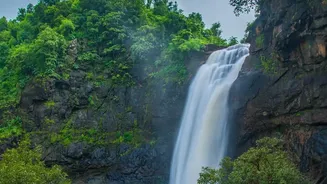
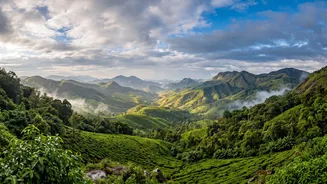
The same amount of rain poses different risks in different terrains. Hilly and mountainous regions, such as those in Uttarakhand, Himachal Pradesh, and the Western Ghats, are prone to landslides and flash floods during heavy monsoon spells. Roads can be blocked for days, leaving travellers stranded. For instance, the IMD has warned of heavy rain in Uttarakhand and Himachal Pradesh for early September 2026. Conversely, coastal areas and low-lying plains in states like Kerala, Goa, and Odisha face risks of flooding and waterlogging. Cities like Mumbai can experience significant disruption to transport and daily life. When choosing your destination, consider its topography and its history of monsoon-related incidents. Drier regions like Rajasthan often see less rainfall in September and can be a safer bet.
Check On-the-Ground Conditions
National forecasts are essential, but local conditions are what you will actually experience. Before you travel, and even during your trip, try to get real-time information. Call your hotel or local tour operators and ask about the state of the roads, any local disruptions, and their advice. Social media travel groups and local news reports can also provide valuable, up-to-the-minute insights that official channels might not cover immediately. Remember that months of rain can leave infrastructure in a fragile state, and roads that are open one day might be closed the next. Always check district-level advisories, not just state-wide ones, for a more accurate picture.
Build Flexibility Into Your Itinerary
Monsoon travel demands a flexible mindset. Rigid, tightly packed itineraries are a recipe for disappointment. Transportation, including flights, trains, and buses, can be delayed or cancelled due to weather. The smartest approach is to build buffer days into your travel plan. This gives you leeway if you need to wait out a day of heavy rain or if a journey takes longer than expected. Having a Plan B for your key destinations is also wise. If a red alert is issued for your primary destination, having an alternative in a less-affected region can save your holiday. Booking hotels with flexible cancellation policies is another practical step that can prevent financial loss if you are forced to change your plans.
Pack for a Wet-Weather Reality
Your packing list should reflect the realities of monsoon travel. Prioritize items that will keep you and your belongings dry and safe. Essential items include a reliable raincoat or poncho, a sturdy umbrella, and waterproof footwear with a good grip. Choose synthetic, quick-drying clothes over cotton and denim, which take a long time to dry in humid conditions. Protect your electronics, documents, and valuables with waterproof bags or zip-lock pouches. Also essential is a well-stocked first-aid kit, insect repellent to guard against mosquito-borne illnesses, and a power bank in case of power outages. Finally, to avoid water-borne diseases, stick to bottled or purified water and eat at reputable establishments.