




The Rise of the Protein Tub
For years, the path to building muscle in India was paved with scoops of whey protein. Marketed as the gold standard for post-workout recovery, these imported supplements promised quick absorption and high protein content. Fitness culture, heavily influenced
by Western trends, saw these powders as a non-negotiable part of any serious athlete's regimen. The convenience was undeniable: a quick shake offered a concentrated dose of protein designed to help repair and build muscle fast. However, a growing awareness around health, cost, and the desire for natural nutrition is causing many to question if these expensive supplements are truly necessary for their fitness goals.
The Humble Powerhouse: Sattu
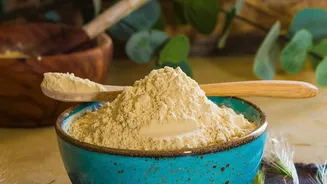
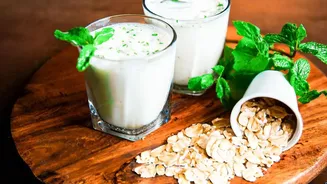
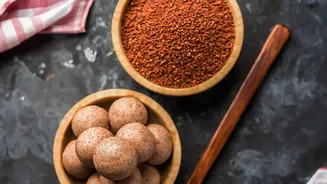
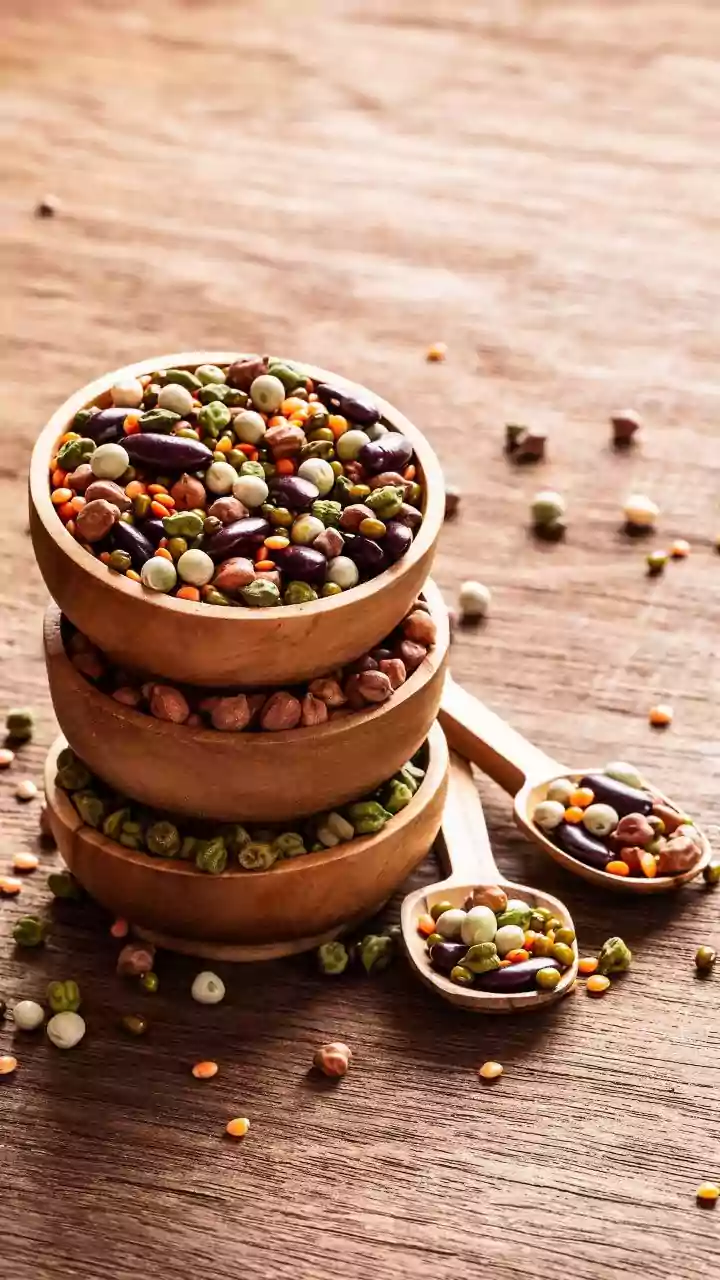
Often called the 'poor man's protein,' sattu is now being celebrated as a homegrown superfood. This flour, made from roasted Bengal gram (chana), is a staple in states like Bihar and Uttar Pradesh. Nutritionally, it’s a powerhouse. A 100-gram serving packs around 20-25 grams of plant-based protein. But unlike isolated protein powders, sattu is a whole food. It also delivers complex carbohydrates for sustained energy, and is rich in dietary fibre, which aids digestion and promotes a feeling of fullness. Furthermore, it is loaded with essential minerals like iron and magnesium, and has natural cooling properties, making it an ideal post-workout drink in the Indian climate.
Sprouted Legumes: Living Nutrition
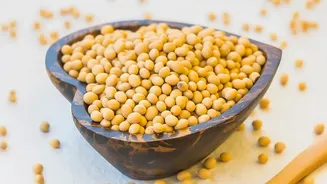
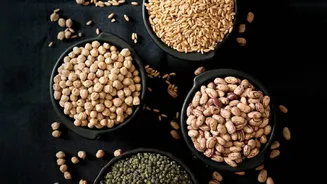
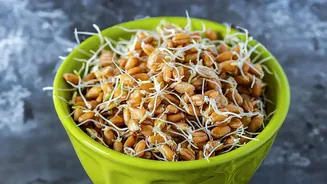
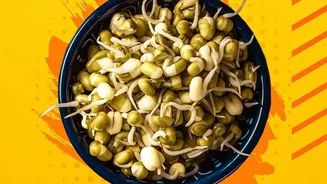
Alongside sattu, sprouted legumes are making a major comeback. The process of sprouting, or germination, transforms a simple legume like moong, chana, or matki into a nutritional dynamo. Sprouting significantly increases the bioavailability of nutrients. Studies show that the process can increase protein content and makes it more digestible. It also boosts levels of vitamins like Vitamin C and B-complex vitamins and reduces anti-nutrients—compounds that can hinder the absorption of minerals like iron and zinc. This means your body can absorb more of the good stuff. A bowl of mixed sprouted legumes provides high-quality plant protein, fibre, and a crunch that is far more satisfying than a chalky shake.
Cost, Purity, and Peace of Mind
One of the most significant drivers of this trend is economics. Imported whey protein can cost anywhere from 8 to 12 times more per gram of protein than sattu. For many, this is a huge, unsustainable expense. Beyond the cost, there are growing concerns about the authenticity and contents of supplements. Reports have highlighted issues with undeclared substances, including banned stimulants or even steroids, in some bodybuilding products. This lack of transparency leads many to prefer the simplicity and trustworthiness of whole foods. With a homemade sattu drink or a bowl of sprouts, you know exactly what you are consuming—no artificial sweeteners, no hidden additives, and no fillers.
A Return to Balanced Nutrition
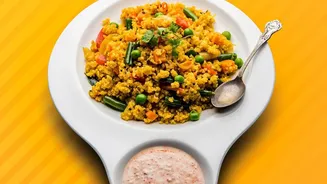
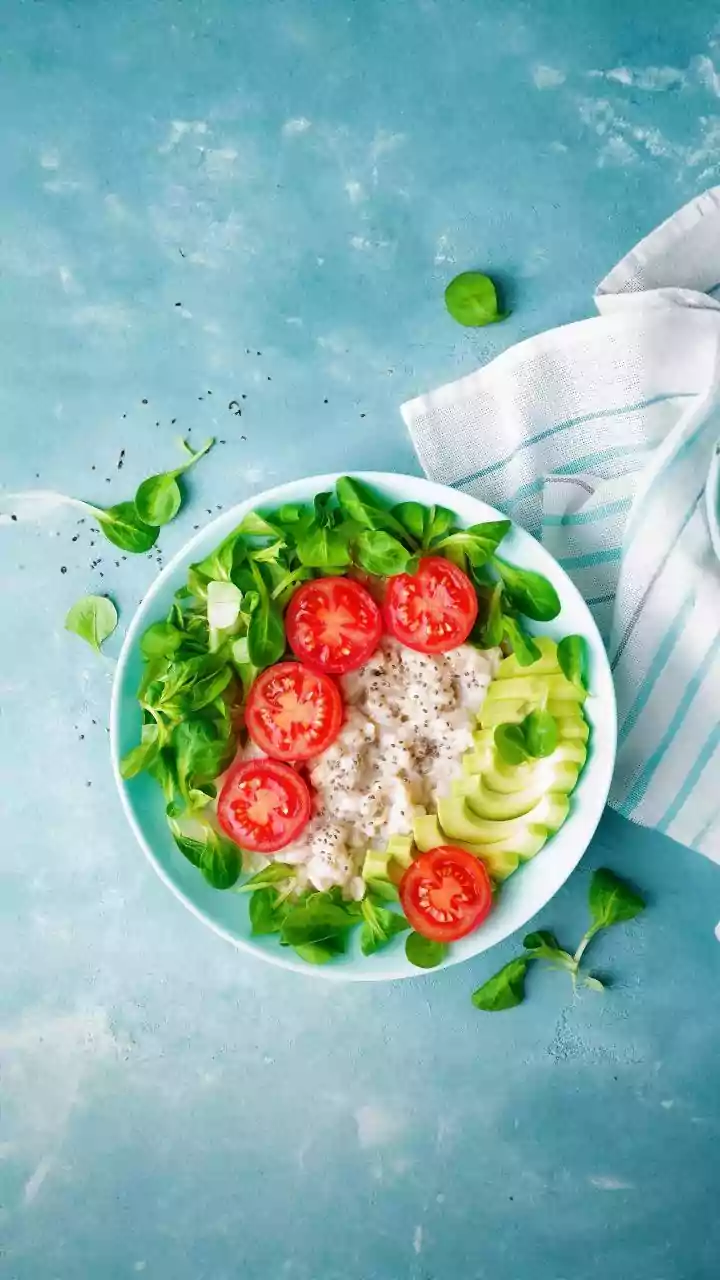
Ultimately, the shift reflects a broader movement towards balanced, holistic wellness rooted in Indian dietary wisdom. While concentrated protein powders serve a specific purpose for elite athletes with very high protein needs, they are not a replacement for whole foods. A diet based on natural foods provides a complex matrix of fibre, vitamins, minerals, and other beneficial compounds that supplements cannot replicate. Fitness experts and nutritionists increasingly advise that for most people with light to moderate activity levels, the protein required can be adequately met through a balanced diet that includes staples like dal, paneer, sprouts, and sattu. This approach supports not just muscle growth, but overall, long-term health.