



Beyond the Crowds: The Soul of the Ghats
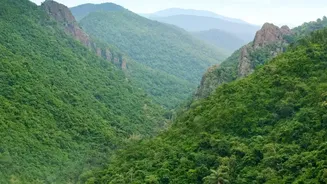
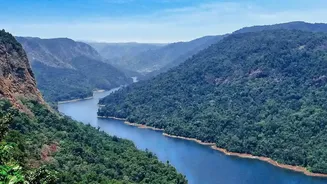
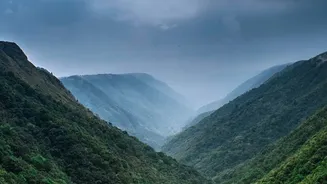
The Western Ghats are more than just a mountain range; they are one of the world's eight 'hottest hotspots' of biological diversity. Stretching 1,600 kilometres from Gujarat to Kerala, they are a treasure trove of non-equatorial tropical evergreen forests.
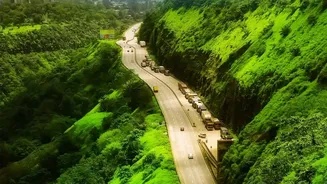
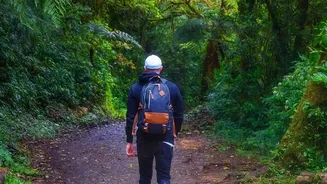
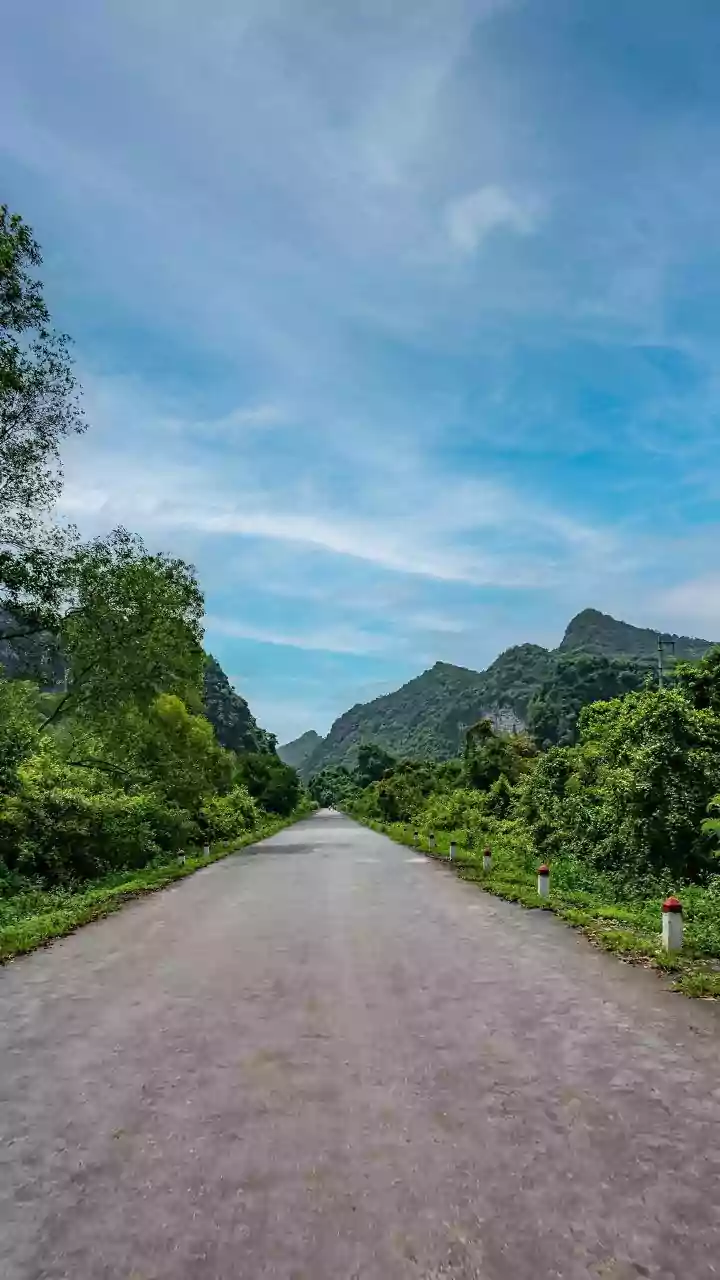
While popular spots like Ooty and Mahabaleshwar have their charm, the true magic lies in the quiet corridors where nature remains undisturbed. Venturing onto these paths means swapping traffic jams for trails shaded by ancient trees and exchanging tourist chatter for the sound of birds and waterfalls. This approach allows for a more profound connection with a landscape that is home to thousands of species of plants and animals, many of which are found nowhere else on Earth. It’s an opportunity to see the Ghats not as a destination to be ticked off a list, but as a living, breathing ecosystem to be respected.
Principles of a Responsible Explorer
Experiencing untouched beauty comes with a responsibility to preserve it. Responsible travel in the Ghats is about minimising your impact. Key principles include adhering to 'Leave No Trace', which means carrying out everything you carry in, including food wrappers and plastic bottles. Always stay on designated trails to prevent soil erosion and protect fragile plant life. Hiring local guides is not only safer but also provides income to communities and offers invaluable insight into the local ecology and culture. When it comes to wildlife, maintain a respectful distance. Remember that you are a visitor in their home. Finally, be mindful of noise levels; loud music and shouting can disturb the serene environment that makes these places special.
Quiet Routes from Mumbai and Pune
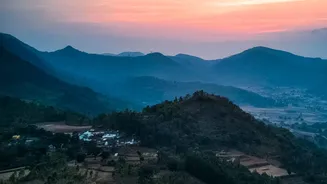
For city dwellers in Maharashtra, several offbeat trails offer a refreshing escape. The Malshej Ghat region, nestled in the Sahyadris, offers stunning landscapes away from the main tourist points. Treks around the Rajmachi fort, especially via the Karjat route, provide a mix of history and nature with fewer crowds than the Lonavala approach. For those seeking true solitude, the trails around the Bhimashankar Wildlife Sanctuary or the lesser-known Sondai Fort trek near Karjat are excellent choices for a weekend adventure. These routes, especially during the post-monsoon months from September to February, are lush, green, and perfect for hiking and reconnecting with nature.
Hidden Gems Near Bangalore and the South
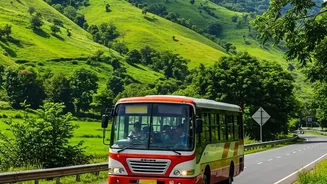
Travellers from Bangalore have access to some of Karnataka's most underrated treks. While Coorg and Chikmagalur are popular, consider exploring trails like Kurinjal Peak or Ettina Bhuja near Kudremukh National Park. These treks offer panoramic views and are far less crowded than their famous neighbours. Agumbe, known as the 'Cherrapunji of the South', has numerous trekking trails through its dense rainforests that remain largely unexplored. Further south, in Kerala, places like Vagamon and the forests around Ponmudi offer serene escapes with rolling green hills and rich biodiversity, providing a peaceful alternative to the bustling crowds of Munnar.
Conscious Stays: Supporting the Ecosystem
Where you stay is as important as where you trek. Opting for locally-run homestays or certified eco-lodges over large commercial hotels makes a significant difference. These smaller establishments are more likely to employ local staff, use regional produce, and have a smaller environmental footprint. They offer an authentic cultural experience, allowing you to interact with the people whose lives are intertwined with the forests of the Ghats. Ecotourism, when practiced responsibly, provides alternative livelihoods for local communities and generates revenue that can be funnelled back into conservation efforts, ensuring the Western Ghats remain pristine for generations to come.