



1. Master the Art of Multi-Functionality
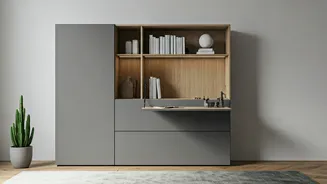
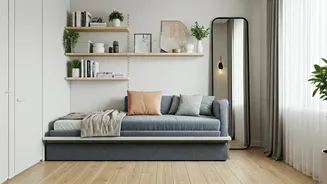
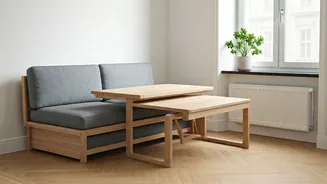
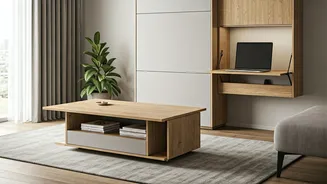
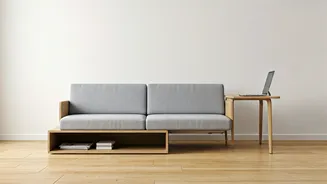
In a compact home, every piece of furniture must earn its keep. Look for items that serve more than one purpose. Think of a classic diwan that doubles as a guest bed and has built-in storage drawers underneath. A coffee table with a lift-top can transform
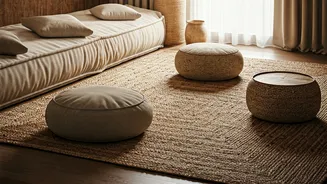
into a work desk or a dining surface. Nesting tables are another brilliant solution; they can be spread out when you have guests and tucked away neatly when you don’t. Ottomans with hidden storage compartments can hide away everything from magazines to extra cushions, while also providing extra seating. Investing in these hardworking pieces reduces clutter and frees up valuable floor space, making your home feel instantly larger and more organised.
2. Utilise Your Vertical Space
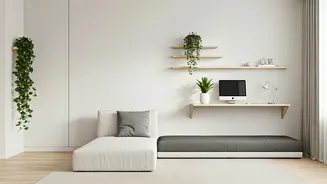
When you can’t build outwards, build upwards. Drawing the eye towards the ceiling creates an illusion of height and spaciousness. Install floor-to-ceiling bookshelves or modular wall-mounted shelves to store books, display decor, and keep clutter off the floor. Use the space above doorways and windows for single shelves to hold items you don't need daily. Even your curtains can help: hang them high and wide, from ceiling to floor, to make windows appear larger and the room feel taller. This strategy not only provides much-needed storage but also adds a sense of grandeur and openness to even the smallest rooms.
3. Create Illusions with Light and Mirrors
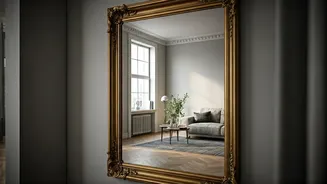
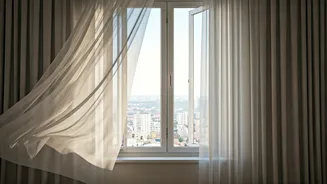
Light is your best friend in a small space. Maximise natural light by using sheer, light-coloured curtains instead of heavy drapes. For your walls, choose a light and neutral colour palette—whites, creams, and soft greys reflect light and make a room feel airy and open. Then, bring in the magic of mirrors. A large, well-placed mirror can visually double the size of a room. Position it opposite a window to reflect light and the view, or place a full-length mirror in a narrow hallway to create a sense of depth. Mirrored wardrobe doors or a mirrored backsplash in the kitchen are other clever ways to bounce light around and trick the eye into seeing a larger space.
4. Define Zones for Better Flow
An open-plan living area can feel chaotic if it’s not properly zoned. You can create distinct functional areas without building walls. Use area rugs to anchor different zones, like the living area or the dining space. A stylish screen or a classic jaali partition can separate a workspace from the main living room, providing a sense of privacy without blocking light. Even the arrangement of your furniture can create divisions. Placing a sofa with its back to the dining area, for instance, naturally separates the two functions. This clear demarcation helps the brain process the space as organised and purposeful, making it feel more comfortable and less cramped.
5. Declutter Ruthlessly, Store Intelligently
Nothing makes a small space feel smaller than clutter. Adopting a 'less is more' philosophy is crucial. Regularly go through your belongings and keep only what is beautiful, useful, or holds significant sentimental value. For everything else, find a smart storage home. Utilise often-overlooked spaces like the area under your bed with roll-out drawers or vacuum-sealed bags for seasonal clothing. In the kitchen, use magnetic spice racks on the side of your fridge and hanging pot racks to free up cabinet space. A clean, uncluttered environment not only looks better but also has a calming effect on the mind, which is the ultimate goal of a comfortable home.