





Understanding the Flavor Profiles
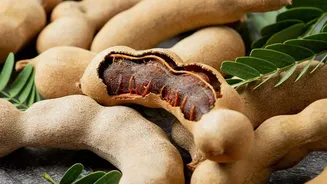
Cumin, or 'jeera', provides a warm, earthy, and slightly nutty base note that is fundamental to countless Indian dishes. It can be used as whole seeds or ground into a powder. Tamarind, or 'imli', is a fruit that provides a distinct sour taste, but its
profile is more complex than a simple lemon. It has a deep, slightly sweet, and fruity tang that adds a layer of brightness. Together, they create a dynamic push-and-pull; the cumin grounds the dish while the tamarind lifts it. The key is ensuring they work in harmony rather than in competition.
The Power of Blooming Your Spices
To get the most out of your cumin and prevent its flavor from being overshadowed, it's crucial to bloom it correctly. This technique, also known as 'tadka' or 'tempering', involves heating spices in hot oil or ghee. This process releases their fat-soluble aromatic compounds, infusing the entire dish with a much deeper, more complex flavor than if you were to just stir in the powder. For whole cumin seeds, heat the oil until it shimmers and the seeds sizzle and pop upon contact. This creates a robust, nutty flavor that can stand up to the boldness of tamarind. Ground cumin burns much faster and should be added to the oil over lower heat for just 30-60 seconds before adding a liquid to stop the cooking.
Controlling Tamarind's Tang
Tamarind paste and concentrate can vary wildly in strength, so it's always best to start with less than you think you need. A common mistake is adding too much tamarind too early in the cooking process. It's better to add it towards the end, after vegetables and lentils are cooked, as the acidity can prevent them from softening properly. If your dish is just slightly too sour, adding a balancing agent is the first step. Jaggery ('gur') is the traditional choice in Indian cooking. Its mineral, caramel-like sweetness is the perfect counterpoint to tamarind's tang without making the dish overly sweet. Start with half a teaspoon, stir it in completely, and taste before adding more. Sugar or honey can also work in a pinch.
Using Fat and Creaminess to Mellow Sourness
Fat is a powerful tool for mellowing sharp flavors. Ingredients with a high fat content can coat the tongue and soften the perception of acidity. If your curry, dal, or soup is too sour, stirring in a few tablespoons of coconut milk, fresh cream, or yogurt can work wonders. The creaminess not only dials back the sourness but also adds a luxurious texture and richness to the dish. Nut pastes, such as cashew paste, can achieve a similar effect, providing both richness and a subtle sweetness that helps restore balance.
Rescue Remedies for a Too-Sour Dish
If you've added your sweetener and a creamy element and the dish is still puckeringly sour, don't panic. The most effective method to fix an overly sour dish is dilution. This means increasing the volume of the other ingredients to reduce the concentration of tamarind. You can add more of the base liquid, like stock or water, and let it simmer down. Another excellent trick is to add starchy vegetables like potatoes or carrots. Cut them into chunks and let them simmer in the curry; they will absorb some of the excess acidity. In a real pinch, a tiny pinch of baking soda can neutralize acid, but this should be a last resort as it can flatten the overall flavor of the dish if you use too much.