

The New Rules of Snacking
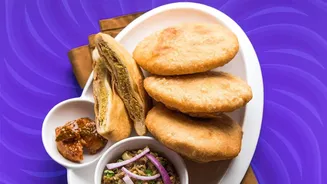
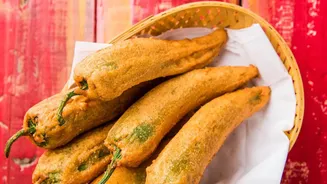
For decades, Indian snacking was a straightforward affair, rooted in tradition and taste. Samosas, pakoras, and a dizzying array of regional namkeens defined the landscape. These items, often deep-fried and made with refined flour, were synonymous with comfort
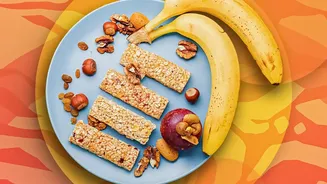
and celebration. Today, however, a quiet revolution is underway. A growing wave of health consciousness is reshaping consumer habits, with surveys revealing that a significant majority of Indians now actively seek healthier snack options. This shift is driven by a desire for food that does more than just satisfy a craving; consumers want functional benefits like sustained energy and better nutrition without compromising on the flavours they grew up loving. It’s less about abandoning traditional tastes and more about finding smarter, healthier ways to enjoy them.
Meet the New-Age Contenders
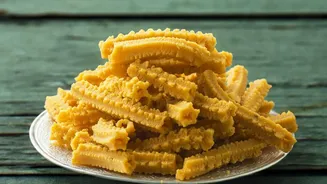
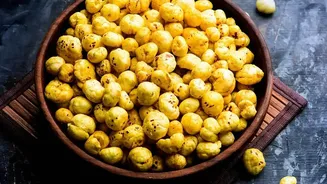
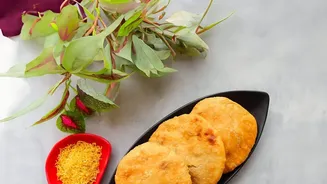
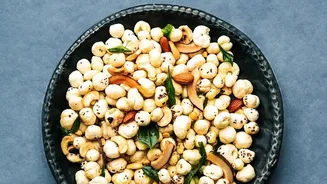
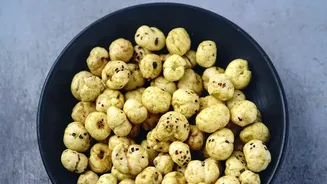
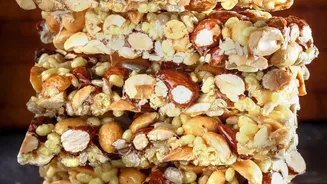
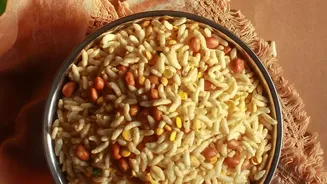
Stepping into this gap is a vibrant ecosystem of new-age snack brands. Their core promise is simple: all the taste, none of the guilt. These companies are reimagining Indian snacks from the ground up. Instead of deep-frying, they are baking, roasting, or air-frying. Refined flour (maida) is being replaced by ancient grains and millets like ragi, jowar, and bajra. Even the humble makhana (fox nut), once a fasting staple, has been transformed into a mainstream crunchy snack available in a variety of bold flavours. Brands like Snackible, The Healthy Binge, and Too Yumm! are creating everything from baked mathri and millet-based puffs to protein-infused chips that echo the tangy notes of pani puri. These products often feature clean labels, meaning short, recognizable ingredient lists without artificial preservatives or excessive sodium.
What's Driving the Appetite for Change?
Several factors are fuelling this market transformation. The primary driver is a pronounced shift towards wellness, with urban consumers in particular paying closer attention to ingredient labels and nutritional information. Studies show that many are willing to pay a premium for snacks they perceive as healthier. Convenience is another major factor. The fast-paced nature of modern life has boosted demand for ready-to-eat products that fit into busy schedules. Furthermore, the rise of e-commerce and quick-commerce platforms has made it easier than ever for consumers to discover and purchase products from emerging brands, bypassing traditional retail gatekeepers. This digital accessibility allows smaller, innovative companies to compete with established giants, offering a wider variety of niche and health-focused products directly to consumers.
How Traditional Brands Are Responding
The rise of these new-age alternatives hasn't spelled the end for traditional snack makers. Instead, it has sparked a wave of innovation within the established market. Many legacy brands are now launching their own baked or healthier product lines to cater to the changing demand. They are leveraging their deep-rooted brand trust and extensive distribution networks to introduce snacks with reduced oil, whole grains, and no palm oil. This creates a dynamic where tradition is not being replaced, but rather expanded. Consumers aren't making a binary choice between old and new; they are navigating a broader spectrum of options. The indulgent, fried snack might be reserved for a weekend gathering, while a baked millet snack becomes the go-to for a mid-week work break.