


Plan Your Walks Strategically
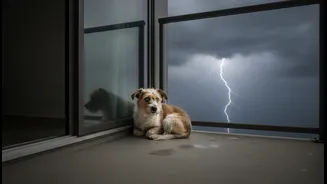
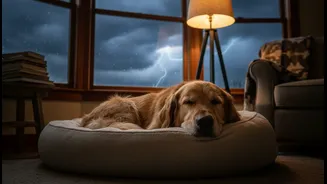
Timing is your first line of defence during the monsoon. Avoid walking your dog during heavy downpours or thunderstorms, which can cause anxiety and increase the risk of accidents. Visibility is often poor during heavy rain, making it dangerous for both
you and your pet. Instead, aim for walks during lighter drizzles or breaks in the weather. Early mornings are often clearer. Shorter, more frequent walks may be a better strategy than one long one, as this minimises exposure and prevents your pet from getting excessively wet and cold. If the weather is too severe, consider indoor activities like puzzle toys or a game of fetch to keep your dog mentally and physically stimulated.
The Post-Walk Hygiene Ritual
This is the most critical step for preventing common monsoon-related health issues. After every single walk, a thorough cleaning and drying routine is non-negotiable. Your pet's paws have walked through puddles and mud that can harbour bacteria and fungi. Use a clean towel and lukewarm water to wipe their paws, belly, and any other wet areas. Pay special attention to the spaces between their toes, where moisture can get trapped and lead to nasty infections. For long-haired breeds, a quick blow-dry on a low, cool setting can help ensure their coat is completely dry, preventing the development of painful skin conditions known as hot spots or acute moist dermatitis.
Beware of Puddles and Pests
Stagnant water is a significant hazard. Puddles can be contaminated with everything from chemical runoff to dangerous bacteria like Leptospira, which causes leptospirosis, a serious disease that can lead to kidney and liver failure. This bacteria is often spread through the urine of infected animals like rodents and thrives in wet environments. Do not let your dog drink from or play in puddles. The rainy season is also a peak period for ticks and fleas, which thrive in the warm, humid conditions. Ensure your pet’s preventative treatments are up to date and perform daily tick checks, especially around the ears, neck, and between the paws.
Gear Up for the Weather
The right gear can make rainy walks more comfortable and safer. A well-fitting waterproof raincoat can keep your dog’s core dry and warm, reducing the amount of post-walk cleanup needed. For visibility during grey, overcast days, consider a coat with reflective strips or a reflective leash and collar. While not all dogs will tolerate them, waterproof booties can be excellent for protecting paws from mud and contaminated water. If you introduce booties, do so gradually with positive reinforcement to help your pet get accustomed to them. Always have a highly absorbent microfiber towel ready by the door for an immediate wipe-down upon your return.
Know the Warning Signs
Despite your best efforts, the high humidity and dampness can sometimes lead to health issues. Be vigilant for signs of common monsoon ailments. Excessive scratching, redness, or a foul smell from the skin or ears could indicate a fungal or bacterial infection. Paw licking or limping may signal irritation or an infection between the pads. Lethargy, vomiting, or a loss of appetite are general signs of illness but can be early indicators of serious conditions like leptospirosis. If you notice any of these symptoms, especially after your dog has been exposed to stagnant water, it’s crucial to contact your veterinarian immediately.