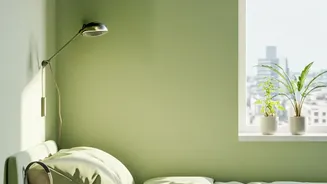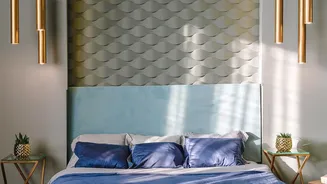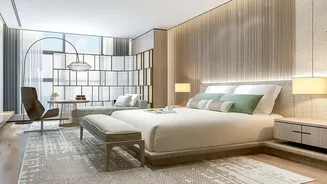






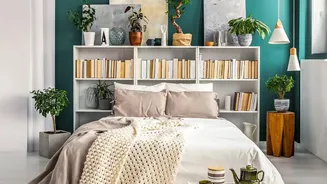
A small bedroom can feel limiting, but the solution isn't always about getting rid of things. Often, the most powerful tool for transformation is free: natural light. A strategic layout can make even the tiniest room feel airy, open, and calm.
Start With the Bed
The bed
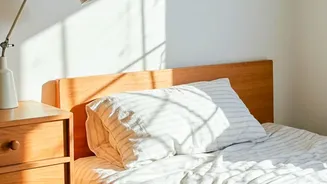
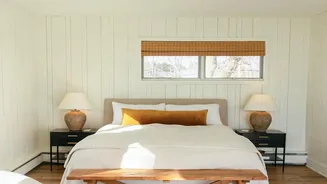
is the largest piece of furniture, so its placement is paramount. The most common advice is to place your bed against the longest uninterrupted wall, which often provides a sense of balance. However, don't be afraid to place it under a window, especially if other walls are awkward. If you do, use a low-profile headboard that sits below the windowsill to avoid blocking light. The goal is to position the bed so that daylight can enter the main part of the room without being immediately obstructed. This makes the bed feel like a welcoming centrepiece rather than a barrier.
Use Mirrors to Double Your Light
Mirrors are the oldest trick in the book for a reason: they work. A large mirror placed directly opposite a window can dramatically increase the amount of light in a room, creating the illusion of another window and adding a sense of depth. If placing it opposite isn't an option, a wall adjacent to the window also works well to bounce and scatter light into darker corners. Consider using a tall, full-length mirror propped against a wall or mirrored closet doors to maximize the effect without taking up valuable floor space. The reflection not only brightens the room but makes it feel significantly more expansive.
Choose a Light-Reflecting Colour Palette
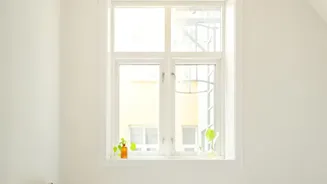
The colours of your walls and ceiling play a huge role in how light behaves in a space. Light, neutral colours are your best ally. Shades like soft whites, pale greys, and creamy off-whites reflect more light, making the entire room feel brighter and more open. A stark, brilliant white can sometimes feel flat or clinical, so opt for whites with warm undertones to add a sense of softness and prevent shadows from looking too harsh. To create a seamless, expansive feel, consider painting the walls, trim, and ceiling in the same light colour. This technique blurs the boundaries of the room, tricking the eye into seeing a larger space.
Select Smart, Low-Profile Furniture
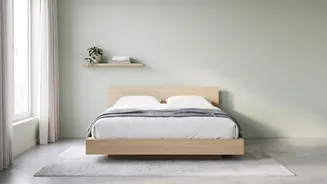
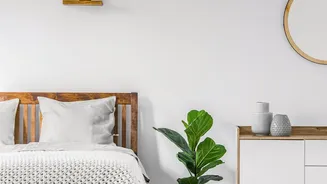
In a small room, every piece of furniture matters. Avoid bulky, heavy pieces that absorb light and dominate the space. Instead, opt for low_profile furniture, such as a bed frame without a towering headboard, which keeps sightlines open. Furniture with visible legs—like a dresser or nightstand on slender legs—creates a sense of airiness by allowing you to see more of the floor. Wall_mounted shelves and floating nightstands are excellent for freeing up floor space entirely, making the room feel less cluttered and more spacious. When placing taller items like wardrobes, try to keep them on walls furthest from the window to prevent them from blocking precious daylight.
Rethink Your Window Treatments
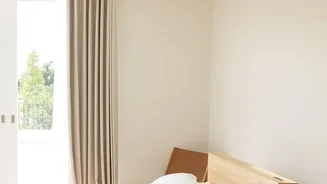
Heavy, dark curtains can absorb an incredible amount of light and make a small room feel boxed in. To maximize daylight, switch to lightweight or sheer curtains that allow light to filter through while still providing privacy. When you hang your curtain rod, mount it higher and wider than the window frame. Extending the rod well beyond the edges of the window allows you to pull the curtains completely clear of the glass, exposing the entire window and letting in the maximum amount of light possible. This trick also creates the illusion of a larger window and taller ceilings.