




The Balcony Gardener's Dilemma
Overwatering is one of the most common mistakes in plant care, and it's especially risky for plants in pots. Unlike garden beds, containers have limited space and drainage, making them prone to becoming waterlogged. When soil stays too wet, it cuts off
oxygen to the roots, leading to root rot, fungal growth, and ultimately, a dead plant. The symptoms of overwatering—like yellowing, wilting leaves—can confusingly mimic those of an underwatered plant, tempting well-meaning gardeners to add even more water. For balcony plants exposed to fluctuating sun, wind, and heat, finding that perfect watering balance can feel like a constant guessing game.
What Exactly Are Smart Soil Sensors?
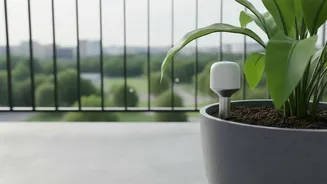
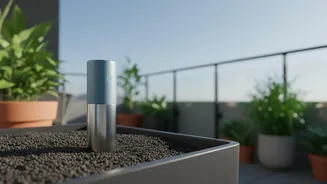
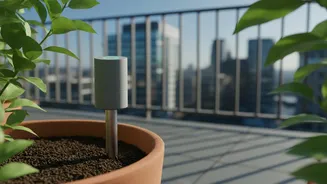
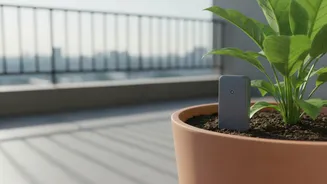
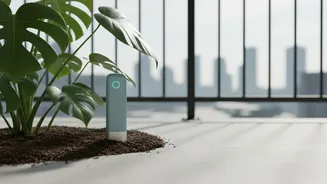
Enter the smart soil sensor: a small, high-tech device designed to take the guesswork out of watering. These sensors are typically probes that you insert into the soil of your potted plants. Using principles like electrical resistance or capacitance, they measure the volumetric water content in the soil in real-time. Most modern sensors don't just stop at moisture; they often track other vital conditions like ambient light, temperature, and even fertilizer levels in the soil. This data is then transmitted wirelessly via Bluetooth or Wi-Fi to an application on your smartphone, giving you a complete picture of your plant's environment.
Taking the Guesswork Out of Watering
The primary benefit of a smart sensor is clarity. Instead of relying on a rigid schedule or the notoriously unreliable finger test, you get precise, data-driven insights into what your plant actually needs. The sensor’s app will notify you when moisture levels drop to a critical point, telling you exactly when it's time to water. More importantly, it will tell you when not to water, which is the key to preventing root rot and conserving water. By maintaining optimal moisture, you promote healthier root systems, more robust growth, and more resilient plants, all while saving water and reducing your own stress.
How to Use a Smart Sensor
Getting started with a smart soil sensor is incredibly simple. You just insert the probe into the soil near the plant's root zone, typically a few centimetres deep for most potted plants. After pairing it with its companion app on your phone, the device begins collecting and sending data immediately. The app usually features a clean dashboard where you can see the current status of your plant's soil moisture, light exposure, and temperature. Many apps also include a database of different plant species, allowing you to select your specific plant and receive tailored recommendations for its ideal conditions. When it's time to water, you'll receive a push notification, making it nearly foolproof.
Choosing the Right Sensor for You
While most smart sensors perform a similar function, there are a few features to consider before buying one. Check the probe length to ensure it’s suitable for the size of your pots. Consider connectivity: a Wi-Fi-enabled sensor allows you to check on your plants from anywhere, while a Bluetooth model requires you to be within range. Also look at what the sensor measures. While most track moisture, others that monitor light, temperature, and nutrient levels can be particularly useful for more delicate plants or for gardeners who really want to optimize growth. Finally, explore the companion app's usability, as this is where you will be interacting with the data your sensor collects.