
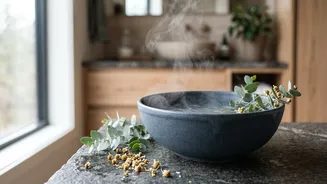


The Soothing Power of Steam
The core of this remedy is steam itself. The theory is simple: inhaling warm, moist air helps to thin out and loosen the mucus that’s causing congestion in your nasal passages and sinuses. This can make it easier to breathe and may temporarily relieve
that feeling of pressure and blockage. Many people find the warmth and moisture immediately soothing for dry, irritated nasal passages. For this reason, medical professionals sometimes suggest it as a supportive measure to help manage the discomfort of acute sinusitis or the common cold, alongside other remedies like hydration and rest. The sensation of relief is often subjective; it makes you 'feel' better, even if it isn't shortening the illness itself.
What the Evidence Says
While steam inhalation is widely recommended and feels good, robust scientific evidence for its effectiveness is surprisingly mixed. A large 2016 study published in the Canadian Medical Association Journal looked at this very question. It found that steam inhalation was not effective in relieving the main symptoms of chronic sinus congestion. While some participants reported a reduction in headaches, it didn't significantly improve overall sinus symptoms compared to no treatment. A Cochrane review, which analyzes multiple studies, also found the evidence for using heated, humidified air to treat the common cold to be weak and inconsistent. The consensus seems to be that while steam might provide temporary, mild relief, it’s not a proven cure and does not treat the underlying cause of the infection, whether it's viral or bacterial.
Do Herbs Add a Medicinal Boost?
This is where the 'herbal' part of the steam comes in. Popular choices like eucalyptus, peppermint, and tea tree oil are often added to the hot water. These essential oils contain compounds like menthol and eucalyptol, which have known anti-inflammatory and decongestant properties. When you inhale them, they can create a powerful cooling sensation that makes your nasal passages feel more open. However, most of the support for using essential oils to treat sinus pressure is anecdotal. While the oils can certainly make the steam smell pleasant and contribute to the overall soothing experience, there is very little high-quality clinical research to prove they add a significant medicinal benefit beyond the steam itself when inhaled this way. Their effect is largely one of creating a stronger sensation of clearing.
The Hidden Risks of Steaming
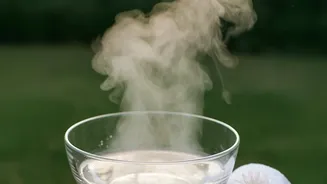
The most significant risk associated with the traditional 'towel over a bowl' method isn't about the steam itself, but the hot water. There is a serious danger of scalds and burns, particularly for children, if the bowl is accidentally knocked over. Medical professionals have warned about a rise in burn injuries from this practice, with some requiring hospital treatment. For this reason, many now advise against using bowls of hot water, especially around kids. Safer alternatives to get a similar effect include taking a hot shower or sitting in a steamy bathroom, which avoids the risk of spilling boiling water. Using a personal electric steam inhaler also provides a more controlled and safer temperature. People with skin conditions like rosacea or eczema should also be cautious, as the heat can sometimes cause irritation and redness.