





The Problem with Salt in the Heat
When it’s scorching outside, your body loses water and essential salts through sweat. Reaching for a heavily salted snack feels intuitive, a way to replenish what’s lost. However, most packaged snacks contain far more sodium than your body needs. This
excess sodium can have the opposite of the desired effect. When you consume too much salt, your body pulls water from your cells to dilute the sodium in your bloodstream, a process that can interfere with your body’s natural thirst signals and contribute to dehydration. This can leave you feeling sluggish, bloated, and even more thirsty — a vicious cycle on a hot day. During the intense Indian summer, managing hydration is critical, and reducing unnecessary sodium intake from processed snacks is a simple yet powerful step in the right direction.
The Nutritional Powerhouse in a Handful
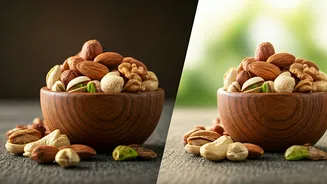
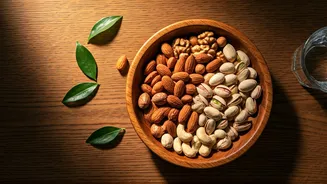
Nuts are one of nature’s most perfect foods. They are incredibly nutrient-dense, offering a balanced mix of healthy unsaturated fats, plant-based protein, and dietary fibre. This combination is key to what makes them so satisfying. The protein and fibre help you feel full for longer, curbing the urge to overeat, while the healthy fats are crucial for brain health and reducing inflammation. Almonds (badam) are rich in Vitamin E, a powerful antioxidant. Walnuts (akhrot) are celebrated for their high content of omega-3 fatty acids. Pistachios (pista) provide a good dose of B vitamins and potassium. Even cashews (kaju), when eaten in moderation, offer valuable minerals like magnesium and copper. This nutritional profile makes them an excellent choice for a snack that provides sustained energy, rather than the quick spike and subsequent crash you get from sugary or refined carbohydrate snacks.
Why 'Unsalted' Is the Key Difference
Here is where the headline’s advice comes into sharp focus. While nuts themselves are healthy, the benefits can be easily undermined by how they are prepared. Commercial roasted and salted nuts are often loaded with sodium. A single serving can sometimes contain a significant portion of your recommended daily sodium limit. By choosing unsalted (or 'raw') nuts, you get all the nutritional benefits—the protein, the fibre, the healthy fats, the vitamins—without the negative impact of excess sodium. This makes them a superior choice for heart health, blood pressure management, and, crucially, summer hydration. You are in complete control of the seasoning, which allows you to appreciate the natural, earthy flavour of the nuts themselves.
Making Unsalted Nuts More Exciting
The most common objection to unsalted nuts is that they are bland. But this is an easy fix. Think of an unsalted nut as a blank canvas for flavour. You can lightly toast them on a dry pan or in the oven to deepen their flavour and make them crunchier. Once toasted, you can get creative. Toss them with a pinch of smoked paprika, a dusting of cinnamon for a sweet-and-spicy kick, or a sprinkle of dried herbs like rosemary or oregano. If you absolutely need that savoury hit, use a tiny amount of chaat masala, which provides a complex flavour profile with less reliance on pure salt. You can also mix them with unsweetened dried fruits like raisins or chopped apricots for a homemade trail mix. The goal is to enhance, not overwhelm, their natural goodness.
Mind Your Portions
While incredibly healthy, nuts are also calorie-dense. A little goes a long way. The key to sensible snacking is portion control. A healthy daily portion is generally considered to be about a closed handful, which translates to roughly 25-30 grams. This is enough to satisfy hunger and provide a significant nutrient boost without contributing to weight gain. It can be helpful to portion out your nuts into small bags or containers for the week. This prevents mindless overeating directly from a large bag, ensuring your sensible snack stays that way.