






The Ultimate 'Out of Office'
Imagine an out-of-office message that truly means it. According to Booking.com's 11th annual Travel Predictions report, the future of vacationing involves handing over your work responsibilities to an AI. The global study, which surveyed over 28,000 travellers,
uncovered a surprising willingness to embrace technology for a genuine escape. A remarkable 64% of travellers said they would be interested in having an AI agent manage their work while they are on holiday. This isn't just about sorting emails; it's about having a digital proxy handle tasks, allowing for complete mental disconnection. The data even revealed a cheeky side to this trend, with 44% of respondents admitting they would use this AI cover to secretly take an extra day off, extending their break without anyone at the office knowing.
From Trip Planning to True Peace of Mind
The desire for AI assistance goes far beyond just planning an itinerary. It strikes at the heart of a modern problem: the inability to truly disconnect from our professional lives. The predictions highlight that nearly a quarter of employed travellers are specifically looking to use AI to handle their daily work tasks, from keeping their inbox under control to managing their to-to list. The motivation is clear. The survey found that 56% of travellers believe that returning from a holiday to a perfectly organised work inbox would significantly increase their enjoyment of the trip. This signals a shift in what travellers want from technology. It’s no longer just a tool for booking and discovery, but a potential solution to workplace burnout and the 'Sunday scaries' that can loom over the final days of a vacation.
Your New AI Travel Co-Pilot
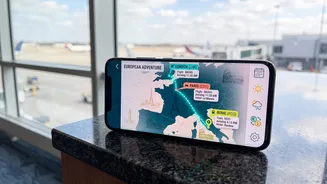
This vision for 2027 is an evolution of a trend that is already well underway. According to Booking.com's separate Global AI Sentiment Report, a massive 89% of consumers already want to use AI in their future travel plans. The company has been steadily rolling out features that make this a reality. Its AI Trip Planner, first launched in 2023, allows users to ask for travel inspiration and build itineraries using natural, conversational language. Other tools like 'Smart Filter' let you describe your ideal hotel in your own words, while 'Review Summaries' distil thousands of guest comments into need-to-know insights. These tools are designed to remove the friction from planning, turning hours of research into a simple conversation. With travellers already trusting AI assistants more than influencers for advice, the foundation for a more automated travel experience is firmly in place.
The Paradox: More Tech, More Humanity
Interestingly, the rise of the AI travel agent is creating a counter-movement: a renewed appreciation for the human touch. As AI makes finding 'hidden gems' easier for everyone, travellers are increasingly seeking out experiences that feel personal and unrepeatable. Several industry reports for 2027 point to this paradox. While the majority of travellers are comfortable using AI for inspiration, they place a higher value on recommendations from hotel staff, local guides, and travel experts who have firsthand knowledge of a destination. The thinking is that AI can build the perfect itinerary, but it cannot replicate the nuance of a personal story or a truly local tip. The future of travel, it seems, isn't a battle between technology and human expertise, but a partnership where each enhances the other. AI will handle the logistics, freeing up humans to provide the authentic, memorable moments that make a trip special.