








For Chai and Samosa: UPI Lite for Micro-Payments
A student’s day is filled with small expenses: a quick coffee, a plate of Maggi, or printing notes. These tiny transactions can quickly clutter your bank statement, making it hard to track your spending. Enter UPI Lite. It’s an on-device wallet within
your main UPI app designed for small, frequent payments. [21, 23] You can load up to ₹2,000 at a time and make payments up to ₹500 without entering a PIN. [22, 23] This makes checkout at the campus canteen lightning fast. [22] The best part? These small transactions don't show up individually in your bank passbook, giving you a cleaner statement that’s easier to manage. [21, 25] It’s the perfect tool for managing your daily pocket money without the hassle.
No More Awkward Reminders: Bill Splitting and Group Expenses
Group outings, shared flat expenses, and birthday treats are part of the fun of college, but settling the accounts afterward can be awkward. Most major UPI apps have integrated features that allow you to split a bill among friends right after you've paid. You can enter the total amount, select the friends you want to split it with from your contacts, and the app does the math and sends out payment requests. It’s a simple, digital way to ensure everyone pays their share without resorting to follow-up texts or strained conversations about who owes what. For recurring shared expenses like rent or utilities, this feature becomes even more valuable, creating a transparent and easy-to-track system for everyone involved.
Set It and Forget It: UPI AutoPay for Recurring Bills
From hostel fees and mess bills to your monthly mobile recharge and streaming service subscriptions, college life comes with a surprising number of recurring payments. [6, 7] Missing a due date can mean late fees or service interruptions. UPI AutoPay is a feature that allows you to automate these payments. [5, 9] You can set up a mandate—a one-time authorization for a business to debit a specific amount from your account at regular intervals (daily, weekly, monthly, etc.). [4, 5] You'll get a notification before the debit, and you always have the power to pause or cancel the mandate through your UPI app. [9] This is particularly useful for managing education fees, as the RBI has increased the payment limit for educational institutions, making it a secure and reliable option. [16]
The Future is Here: Tap & Pay and Conversational Payments
The next wave of UPI innovation is making payments even more seamless. With UPI Tap & Pay, which uses Near Field Communication (NFC), you can simply tap your smartphone on a compatible payment terminal to pay, much like a contactless card. [3, 8, 19] This is faster than scanning a QR code and ideal for busy places like metro stations or retail stores near campus. [3, 11] Another exciting development is "Hello UPI," a feature that allows you to make payments using voice commands in English and Hindi, with more languages to come. [2, 10, 12, 13] You can check your balance or send money simply by speaking to your phone, making transactions more accessible and hands-free. [2, 10]
Beyond Payments: Managing Your Financial Health
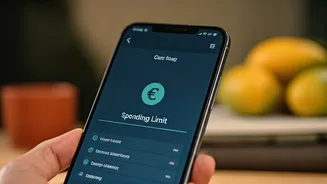
Modern UPI apps are more than just payment tools; they are becoming personal finance managers. Many apps offer features to track your spending by category, giving you a clear picture of where your money is going. [26] You can see how much you’re spending on food, travel, and entertainment, which is the first step toward creating a realistic budget. Some apps even allow you to set spending limits for different categories to help you stay on track. By using these features, you can develop healthy financial habits early on, learning to manage your allowance or part-time income effectively throughout your college years and beyond. [26]