




Designed to Fly Straight
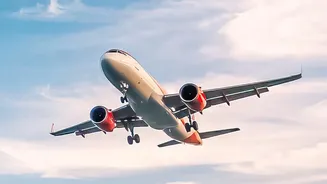
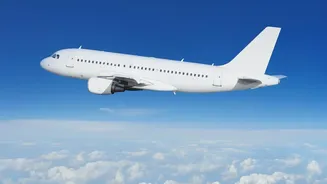
At its core, a commercial airliner is designed for inherent stability. This means that, left to its own devices, it naturally wants to return to straight and level flight after a disturbance like a gust of wind. This principle is built into the plane’s
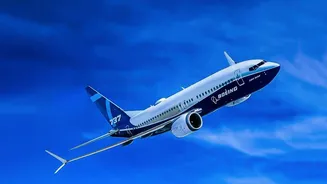
physical shape. The relationship between the wings, the tail, and the aircraft’s center of gravity creates a self-correcting tendency. Think of it like a dart: the heavy front and finned tail ensure it flies point-first. On an aircraft, the horizontal and vertical stabilizers on the tail function similarly, resisting unwanted pitching or yawing motions and gently nudging the plane back into equilibrium. This fundamental aerodynamic stability is the first and most crucial layer of safety, reducing pilot workload and ensuring predictability.
The Digital Safety Net: Fly-by-Wire
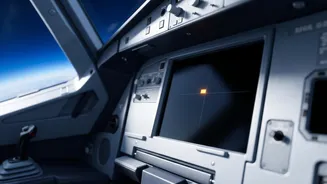
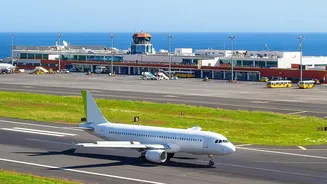
Modern aircraft like the Airbus A320 family and Boeing 777 operate with a system called “fly-by-wire.” Instead of direct mechanical linkages, the pilot's inputs are sent as electronic signals to flight control computers. These computers then command the control surfaces to move. This system’s main advantage is its ability to provide “flight envelope protection.” The computers know the aircraft's precise operational limits—its maximum speed, angle of bank, and pitch attitude. If a pilot makes a control input that would push the plane beyond these safe limits, the system will either ignore the command or modify it to keep the aircraft within its safe operating envelope. This acts as a crucial digital safety net, preventing over-control in a surprise emergency and allowing the pilot to command maximum performance without accidentally stalling or over-stressing the airframe.
The Autopilot as a Task Manager
During an emergency, a pilot's cognitive workload can become immense. This is where the autopilot serves as an invaluable assistant. While it's a myth that the autopilot “flies the plane” on its own, it excels at managing routine tasks, freeing up the crew to focus on the problem at hand. For instance, if an engine fails, the pilots can use the autopilot to maintain a stable altitude and heading while they work through the necessary checklists to secure the engine. This is far more efficient and precise than a human pilot trying to manually fly the aircraft while simultaneously diagnosing a complex failure. By offloading the task of physically steering the plane, the autopilot helps the crew conserve mental energy for critical decision-making, communication, and executing emergency procedures.
The Human Factor: Training and Teamwork
Technology is only part of the solution; the human element is paramount. Pilots undergo extensive and continuous training in high-fidelity simulators, where they practice handling countless emergency scenarios, from engine fires to hydraulic failures. This training builds muscle memory for initial actions and deep familiarity with emergency checklists. A core principle of pilot training is the mantra: "Aviate, Navigate, Communicate." The first and highest priority is always to fly the aircraft and maintain control. Once the immediate flight path is secure, they navigate to a safe landing spot, and only then do they focus on communicating the situation to air traffic control. This disciplined approach, combined with Crew Resource Management (CRM) which emphasizes clear communication and teamwork in the cockpit, ensures that the crew works as a cohesive unit to manage the problem methodically, even under extreme pressure.