







1. Jamun (Indian Blackberry)
This purple gem is a true monsoon superstar. Available for a short window during the rainy season, Jamun is packed with Vitamin C and iron, which are crucial for boosting immunity and maintaining energy levels. Its astringent properties aid digestion
and help keep gut-related issues at bay, which are common during this season. Traditionally, it is also valued for its compounds that help regulate blood sugar.
2. Corn (Bhutta)
Is there anything more iconic than enjoying a roasted bhutta on a rainy day? Beyond being a delicious comfort food, corn is a healthy snack. It's rich in fibre, which aids digestion, and packed with vitamins like A and B-complex that support eye health and brain function. Since it's usually roasted or steamed, it’s a much healthier alternative to deep-fried snacks.
3. Pears (Nashpati)
Crisp and juicy, pears are an excellent monsoon fruit. They are incredibly high in fibre, which is essential for keeping the digestive system running smoothly when it tends to get sluggish in the humid weather. Pears are also a good source of vitamins C and K, helping to boost your immunity and keep you equipped to fight seasonal ailments.
4. Bitter Gourd (Karela)
Though its bitter taste can be divisive, Karela is a powerhouse of nutrients that are especially beneficial during monsoon. It is known to boost the immune system with its high Vitamin C content and antioxidant properties. Ayurvedic traditions value it for purifying the blood and aiding digestion, helping to prevent common infections and skin problems that flare up in the rainy season.
5. Ginger and Garlic
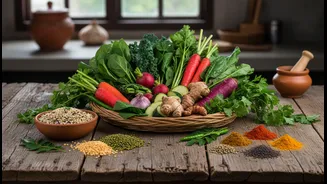
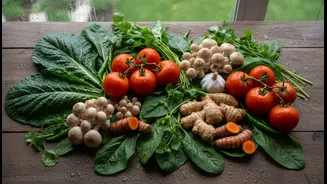
These two kitchen staples are your best friends during the monsoon. Ginger is renowned for its anti-inflammatory and anti-viral properties, making it perfect for soothing a sore throat and fighting off colds. Garlic contains allicin, a compound that enhances the immune response of white blood cells against viruses. Adding them to your teas, soups, and curries is an easy way to stay protected.
6. Turmeric (Haldi)
This golden spice is a cornerstone of Ayurvedic medicine for good reason. Turmeric contains curcumin, a compound with powerful anti-inflammatory, antioxidant, and antibacterial properties. Regular consumption can help fortify your immune system against infections. A warm glass of 'haldi doodh' (turmeric milk) before bed is a traditional and comforting way to keep seasonal illnesses at bay.
7. Bottle Gourd (Lauki)
With its high water content and low-calorie count, Lauki is light, hydrating, and incredibly easy to digest—making it an ideal monsoon vegetable. Ayurveda recommends it to help cool the body and maintain digestive health. It's rich in essential nutrients like vitamins C and K, which support overall wellness and immunity during a season when heavy foods can tax your system.
8. Plums (Aloo Bukhara)
These juicy, tart fruits are a delightful monsoon treat. Plums are loaded with antioxidants, particularly anthocyanins, which give them their deep red-purple colour and help protect the body from infections. They are also a good source of dietary fibre, which helps prevent constipation and supports good gut health. Their Vitamin A content also contributes to healthy skin in the humid weather.
9. Pomegranate (Anar)
Available through the monsoon, pomegranates are packed with antioxidants—even more than green tea. These antioxidants, along with a high Vitamin C content, help strengthen your body's defenses against common seasonal infections like colds and flu. The fruit is also rich in fibre and B vitamins that improve blood circulation and support digestion.
10. Moong Dal
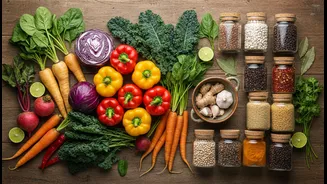
During monsoon, when digestion is weaker, light and easy-to-digest foods are recommended. Moong dal is an excellent source of protein that is not heavy on the stomach. It is often used to make Khichdi, a simple one-pot meal with rice and spices like turmeric and cumin, which is considered one of the best foods for the rainy season according to Ayurveda.