








A Modern Gateway for the Blue City
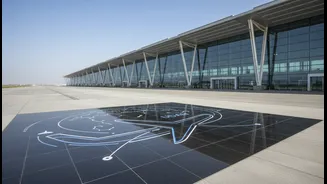
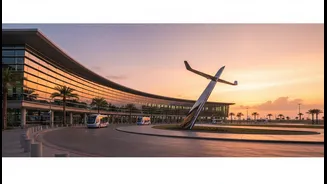
The first thing to understand is the scale of the upgrade. Inaugurated on July 4, 2026, Jodhpur's new terminal is a significant leap forward. Built at a cost of ₹480 crore, the facility spans over 23,000 square metres and is designed to handle two million
passengers annually. With 20 check-in counters, six aerobridges, and advanced baggage handling systems, it's a world away from the previous, often congested, building. This isn't just about aesthetics; it's about capacity. The terminal can manage 1,500 passengers during peak hours, directly addressing the growing pressure from rising tourist numbers and positioning Jodhpur as a more resilient and attractive entry point to western Rajasthan. The design itself blends modern efficiency with local heritage, incorporating traditional Rajasthani architectural elements like jharokhas and arches.
Decoding the New 'Viksit UDAN'
Running in parallel to the new infrastructure is a revised policy: the modified Ude Desh ka Aam Nagrik (UDAN) scheme, also called Viksit UDAN. Launched in early July 2026, this next phase of the regional connectivity scheme has a massive outlay of nearly ₹29,000 crore to be spent over the next decade. Its core mission remains the same: to make air travel affordable and connect smaller Tier-2 and Tier-3 cities. However, the modified scheme is more ambitious. It plans to develop 100 new aerodromes from existing unserved airstrips and build 200 modern helipads to improve last-mile connectivity, especially in remote areas. It also provides significant Viability Gap Funding (VGF) to encourage airlines to operate on routes that might not initially be profitable, ensuring the scheme gets off the ground.
Policy Meets Pavement: The Real Synergy
This is where the two stories merge. A large, modern airport terminal is of limited use without the flights to fill it. Conversely, a policy aimed at creating new regional routes is hampered if the hub airports can't handle the increased traffic. Jodhpur’s new terminal provides the necessary hardware, while the modified UDAN scheme provides the software—the policy framework and financial incentives to create a denser air travel network. The plan is to leverage Jodhpur's enhanced capacity to connect it with smaller, underserved towns across Rajasthan and beyond. This turns Jodhpur from just a destination into a crucial hub, strengthening its position within Rajasthan's primary tourism circuit alongside Jaipur and Udaipur.
The Expected Economic Ripple Effect
The intended impact goes far beyond the airport's boundaries. For tourism, the effects are obvious: easier access and a better travel experience are expected to draw more domestic and international visitors to Jodhpur's famed Mehrangarh Fort, its indigo-hued old town, and the broader Marwar region. This, in turn, is projected to fuel growth in the hospitality sector and create local employment. But the benefits are also aimed at business and trade. Improved connectivity can attract investment, support local handicraft industries by connecting them to bigger markets, and make the region more accessible for commercial activities, including its significant defence establishments.
Potential Turbulence and Challenges
Despite the optimism, the success of this dual strategy isn't guaranteed. The history of the UDAN scheme shows that implementation has its challenges. Past reports have noted that many awarded routes have not become operational or sustainable after the initial subsidy period ends. The financial viability of new, low-traffic routes remains a primary concern for airlines, even with subsidies. Furthermore, for Jodhpur to truly capitalize on an influx of travelers, the city's own infrastructure—hotels, public transport, and civic amenities—must also keep pace. An efficient airport is only one part of a visitor's overall experience. The road ahead requires consistent execution to ensure that these ambitious plans translate into sustained, long-term growth.