



The Science of Fasting Foods
The principle behind vrat-specific diets, particularly during festivals like Navratri, is to consume 'Sattvic' foods — those that are light, pure, and easy to digest. This practice is rooted in Ayurveda, where seasonal changes are seen as times when the
body's immunity is lower. The diet avoids regular grains like wheat and rice, lentils, onions, and garlic, as they are considered to slow digestion or generate excess body heat. Instead, the focus shifts to pseudo-grains, fruits, and certain vegetables that provide sustained energy without overburdening the digestive system. This is a form of detox, giving the body a break from its regular routine and flushing out toxins.
Makhana: The Puffed Powerhouse
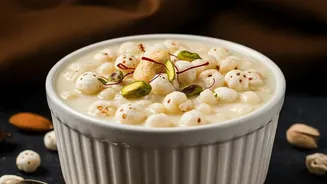
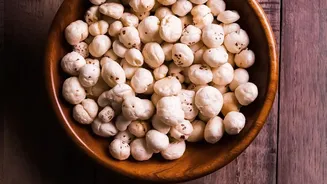
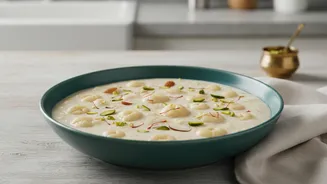
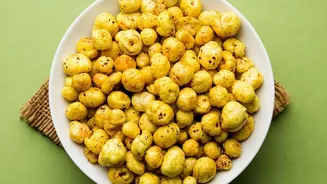
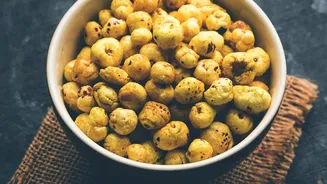
Makhana, also known as fox nuts or lotus seeds, are a fasting favourite for a reason. These light, crunchy puffs are not only delicious but are packed with nutrients. They are a great source of protein and fibre, which helps you feel full and energised throughout the day. Naturally low in fat and gluten-free, makhana is rich in essential minerals like magnesium, potassium, and calcium, supporting everything from muscle function to bone health. Its low glycaemic index makes it an excellent snack for managing blood sugar levels. During a vrat, makhana is typically roasted with a little ghee and rock salt for a simple snack, or used to make a creamy, satisfying kheer.
Kuttu: The Versatile Pseudo-Grain
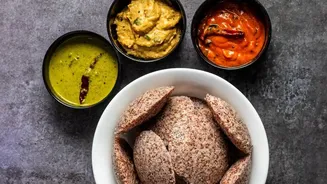
Kuttu ka atta, or buckwheat flour, is a cornerstone of vrat cooking. Despite its name, buckwheat is not a type of wheat or even a true grain; it's a seed, which is why it's permitted during fasts. This pseudo-cereal has an earthy, nutty flavour and is nutritionally dense. It is high in fibre, protein, and essential minerals. The flour is incredibly versatile and is most famously used to make Kuttu ki Puri (fried bread) and parathas, often served with a simple potato curry. It can also be used to prepare dosas and pakoras, providing a hearty and warming meal that aligns with the principles of fasting.
Rajgira: The Royal Seed
Rajgira, or amaranth, translates to 'royal grain' or 'the grain of the gods', and its nutritional profile lives up to the name. Like kuttu, rajgira is a pseudo-cereal, not a true grain, making it an approved fasting food. It is one of the few plant-based sources of complete protein, containing all essential amino acids. It’s also gluten-free, rich in fibre, and packed with minerals like iron, magnesium, and phosphorus, which help maintain energy levels. The tiny seeds can be puffed and used to make chikki or ladoos with jaggery. The flour is used to make rotis, parathas, and a sweet porridge called sheera, offering a wide range of delicious and nourishing options for those observing a vrat.