





What Are These Fresh Inspections?
Across major Indian cities, food safety authorities are launching intensified, unannounced inspection drives targeting all types of eateries, from five-star hotels to local cafes and cloud kitchens. For example, in early August 2026, Karnataka's Health
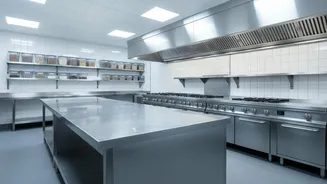
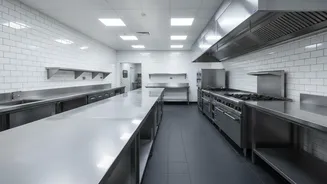
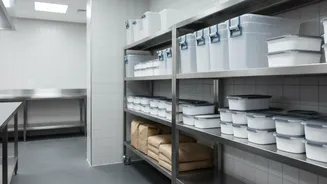
and Family Welfare Department formed 30 special teams to conduct surprise raids in Bengaluru and other locations. These drives are a response to a groundswell of public complaints, many amplified through social media, about unhygienic conditions, substandard food, and the use of expired ingredients. Officials are using a comprehensive checklist prescribed by the Food Safety and Standards Authority of India (FSSAI) to check everything from the storage temperature of meat to the use of banned food colours.
Why Is This Happening Now?
This crackdown isn't happening in a vacuum. It’s part of a broader push by FSSAI to strengthen oversight and build public trust in the food industry. A recent national survey revealed that consumer confidence is shaky; more than nine in ten diners reported witnessing a hygiene violation at a restaurant in the past year. Specifically, 57% of consumers noted dirty dining areas, kitchens, or washrooms, while 53% observed unhygienic food handling by staff. These widespread concerns, coupled with high-profile media reports of violations, have created pressure on regulatory bodies to act decisively. The goal is to move the industry from a reactive, penalty-based system to one that rewards proactive compliance.
Can Diners Really Inspect Kitchens?
The idea of diners being allowed to check kitchens is a hot-button issue. While there isn't a blanket, nationwide law granting every customer unfettered access, the concept is gaining traction as a transparency measure. The state of Gujarat notably issued a notification in 2019 allowing customers to check kitchens for hygiene and food quality. However, the current conversation is more complex. While regulators are pushing for transparency, restaurant owners are raising valid concerns. The National Restaurant Association of India (NRAI) has pointed out the potential for chaos and harassment, especially from self-styled activists and influencers who may enter kitchens without authorization to film content, a trend that has reportedly increased. They argue that formal inspections should be left to trained government officials.
How Is the Restaurant Industry Responding?
The industry's reaction is twofold. On one hand, there is significant anxiety. Faced with surprise inspections and potential shutdowns, many restaurants are proactively deep-cleaning their premises and doubling down on staff training. The NRAI is actively encouraging its members to reinforce hygiene protocols and enroll in FSSAI's Food Safety Supervisor Training and Certification (FoSTaC) program. On the other hand, restaurant associations have pushed back against what they see as harassment by unauthorized individuals conducting their own 'inspections'. They stress that while they welcome official, standardized checks, allowing untrained individuals into a busy, potentially hazardous kitchen environment is impractical and unsafe.
What Does This Mean for You as a Diner?
For the average diner, this heightened focus on food safety is overwhelmingly positive. It signals a shift towards greater accountability. While you may not have the right to walk into any kitchen on demand, you are more empowered than ever. Consumer complaints are a direct trigger for these inspections, so reporting genuine concerns through official channels like the FSSAI helpline is effective. Furthermore, this regulatory pressure is pushing restaurants to improve their standards voluntarily. Consumers are also demanding more transparency, with a recent survey showing 74% want hygiene ratings to be prominently displayed at the restaurant and on food delivery apps. This public demand, combined with regulatory action, is slowly making the invisible world of the restaurant kitchen much more visible.